
High blood pressure, often called hypertension, is a common health condition that can lead to serious complications if left untreated. It affects millions of people worldwide and can be influenced by various factors, including genetics, diet, and lifestyle choices. Understanding high blood pressure is essential for managing your health effectively.
What is high blood pressure?
Blood pressure is the force of blood against the walls of your arteries as your heart pumps it around your body. It is measured in millimeters of mercury (mm Hg) and is recorded with two numbers: systolic and diastolic pressure. Systolic pressure, the first number, measures the pressure in your arteries when your heart beats. Diastolic pressure, the second number, measures the pressure when your heart rests between beats.
High blood pressure is defined as having a reading of 130/80 mm Hg or higher. It often has no symptoms, which is why it is sometimes called the “silent killer.” Over time, uncontrolled high blood pressure can lead to heart disease, stroke, kidney damage, and other serious health issues.
What causes high blood pressure?
Several factors can contribute to high blood pressure, including:
- Genetics: A family history of hypertension may increase your risk.
- Age: Blood pressure tends to rise with age.
- Obesity: Being overweight can strain your heart and blood vessels.
- Sedentary lifestyle: Lack of physical activity can contribute to weight gain and higher blood pressure.
- Poor diet: A diet high in salt, fat, and sugar can raise blood pressure.
- Chronic stress: Long-term stress may lead to temporary high blood pressure.
- Alcohol and tobacco use: Excessive alcohol intake and smoking can increase blood pressure.
Signs and symptoms of high blood pressure
High blood pressure is often asymptomatic, which means many people might not even know they have it. However, some people might experience the following symptoms:
- Headaches
- Nosebleeds
- Shortness of breath
- Chest pain
- Vision changes
- Ear ringing (tinnitus)
If you notice any of these symptoms, it’s important to consult your doctor. Regular check-ups and monitoring can help catch high blood pressure early, allowing for timely intervention.
How high blood pressure is diagnosed
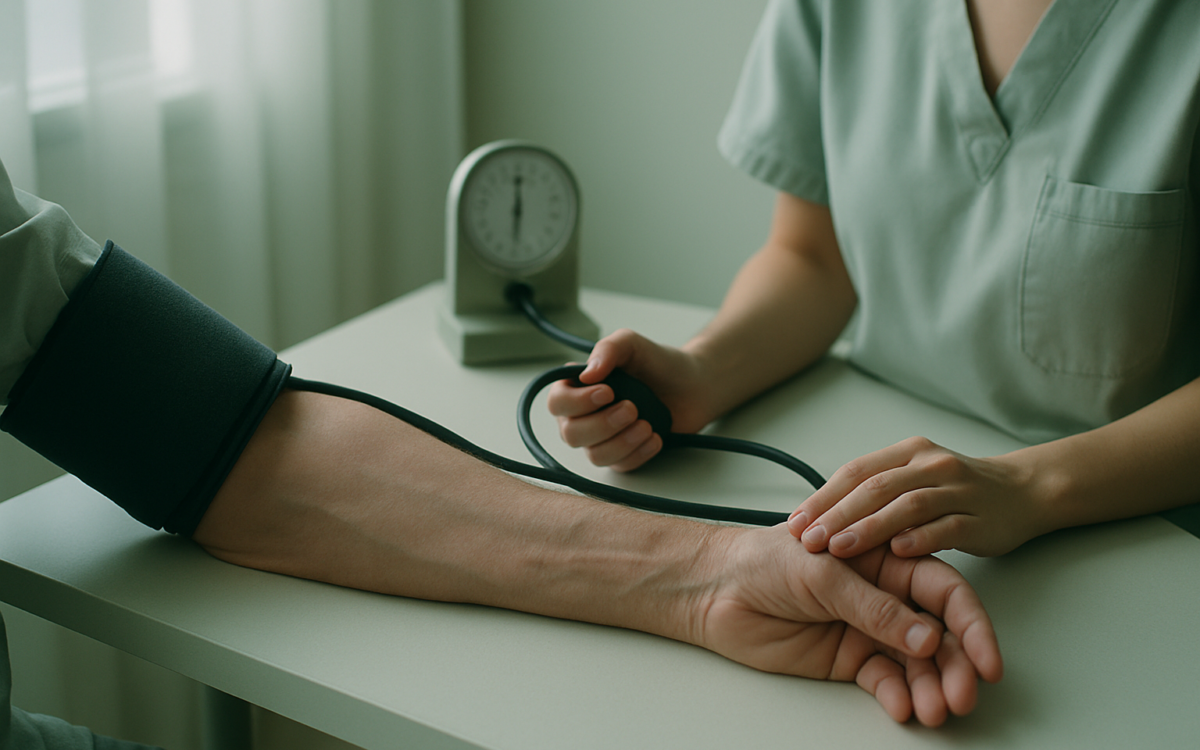
Diagnosing high blood pressure typically involves measuring blood pressure using a sphygmomanometer, commonly known as a blood pressure cuff. Your healthcare provider may take multiple readings over several visits to confirm a diagnosis.
In some cases, other tests may be conducted to assess your overall health and check for damage caused by high blood pressure. These may include:
- Blood tests
- Urine tests
- Electrocardiogram (ECG)
Management and treatment of high blood pressure
Managing high blood pressure often requires lifestyle changes and, in some cases, medication. Here are some effective strategies:
1. Lifestyle Changes
Adopting a healthy lifestyle can significantly lower blood pressure:
- Healthy Diet: Focus on a diet rich in fruits, vegetables, whole grains, and lean proteins while limiting sodium intake. The DASH (Dietary Approaches to Stop Hypertension) diet is known for helping to lower blood pressure.
- Regular Exercise: Aim for at least 150 minutes of moderate aerobic activity each week.
- Maintain a Healthy Weight: Losing even a small amount of weight can help reduce blood pressure.
- Limit Alcohol Intake: Keep alcohol consumption to moderate levels.
- Avoid Tobacco: Quitting smoking or avoiding secondhand smoke can improve your overall heart health.
2. Medication
If lifestyle changes are not enough to control your blood pressure, your doctor may prescribe medication. There are several types of drugs available, including:
- Diuretics (water pills)
- ACE inhibitors
- Beta-blockers
- Calcium channel blockers
It is essential to take medications as prescribed and to discuss any side effects or concerns with your healthcare provider.
3. International treatment options
In some cases, individuals may seek treatment options internationally if they are looking for specialized care. Institutions like Acibadem International offer a range of services to manage and treat high blood pressure effectively. This can include advanced monitoring technology and specialized care tailored to individual needs.
When to see a doctor
If you suspect you have high blood pressure or if you experience any of the symptoms mentioned earlier, it’s crucial to schedule an appointment with your healthcare provider. Regular check-ups can help catch potential issues before they escalate into more significant health concerns.
Conclusion
High blood pressure is a manageable condition with appropriate lifestyle changes and medical care. By understanding your risk factors and taking proactive measures, you can lower your blood pressure and reduce the risk of severe health complications. Remember to consult with your doctor regularly to ensure you are on the right track to maintaining a healthy blood pressure.
