
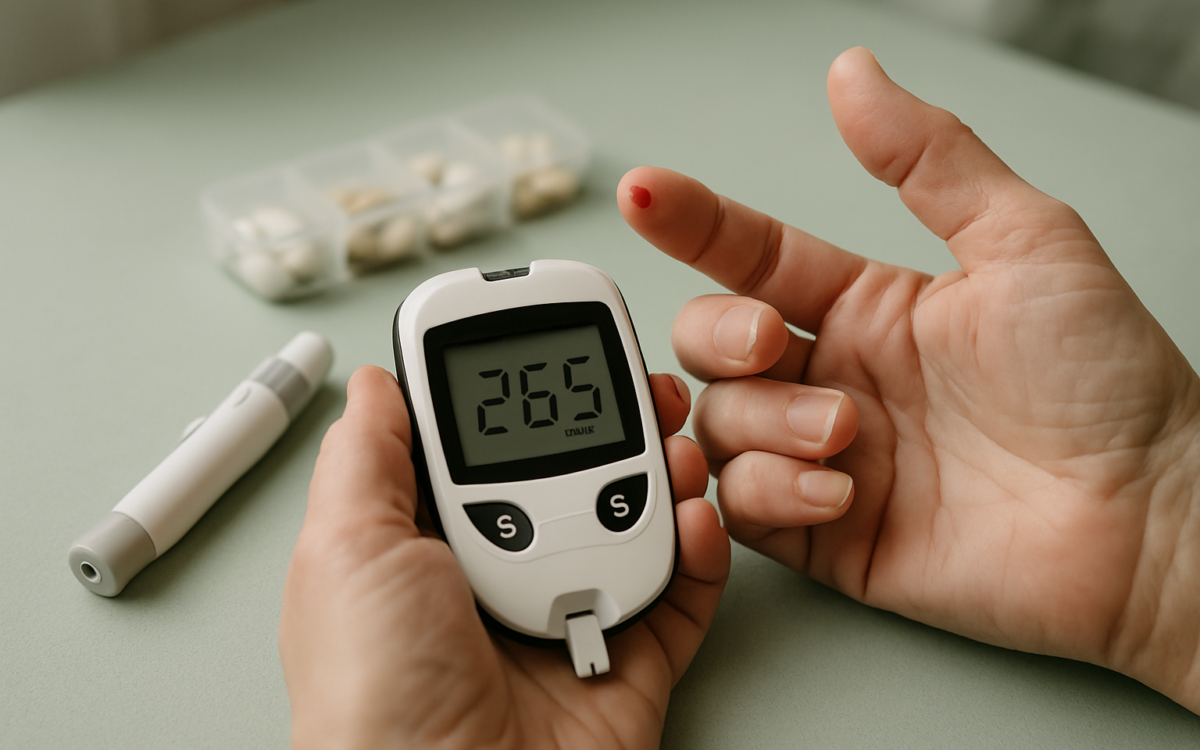
High glucose levels, or hyperglycemia, can sneak up on many people, especially those living with diabetes. Recognizing the symptoms early can help manage your condition better and prevent complications. Whether you’re newly diagnosed or seeking to understand more about your body, knowing the signs and symptoms of high glucose levels is crucial. Let’s explore the various indicators that your glucose levels may be elevated.
Common Symptoms of High Glucose Levels
The signs of high glucose levels can vary from person to person. However, some symptoms are quite common and may include:
- Increased Thirst: A frequent feeling of thirst, even after drinking water, is often one of the first signs of high glucose.
- Frequent Urination: High blood sugar can lead to more frequent bathroom visits as your body tries to eliminate excess glucose through urine.
- Fatigue: Feeling unusually tired or weak can be an indication that your body isn’t using glucose effectively.
- Blurred Vision: Swelling in the eyes from high glucose can lead to visual disturbances.
- Slow Healing of Cuts and Infections: High glucose can affect your body’s ability to heal properly, leading to longer recovery times.
Understanding the Medical Significance
Why is it essential to notice these symptoms? Elevated glucose levels can lead to several serious health issues over time, particularly if they remain unaddressed. Chronic hyperglycemia can increase the risk of complications such as:
- Cardiovascular Disease: Prolonged high blood sugar can damage blood vessels and nerves, leading to heart disease.
- Nerve Damage: Neuropathy can occur, causing pain, tingling, or loss of feeling in various parts of the body.
- Kidney Damage: Diabetes is a leading cause of kidney failure. High glucose can overwhelm and damage renal tissues.
According to the CDC, managing glucose levels is vital for maintaining overall health, especially in those already diagnosed with diabetes.
Less Common but Serious Symptoms
While the common symptoms are significant, some people may experience less typical signs that also warrant attention, such as:
- Cuts that Heal Slowly: If you notice cuts take a long time to heal, it might be worth monitoring your blood sugar.
- Skin Changes: Dark patches of skin, particularly around the neck or armpits, can indicate insulin resistance.
- Weight Loss: Unexpected weight loss can occur when your body starts to break down muscle and fat for energy instead of glucose.
Managing High Glucose Levels
Effective management of high glucose levels often combines lifestyle changes and medical interventions. Here are some strategies:
- Diet and Nutrition: Eating a balanced diet low in refined sugars and high in fiber can help maintain stable glucose levels.
- Regular Exercise: Staying active aids in glucose utilization and helps maintain a healthy weight.
- Medication: Those with diabetes may require medications such as insulin or metformin to help manage their blood sugar levels.
For those considering international options, seeking treatment in Turkey for diabetes can provide innovative management techniques, including dietary guidance and holistic therapies.
Testing Glucose Levels
Regular testing of your blood glucose levels is crucial if you’re at risk of or already diagnosed with diabetes. Those often recommended methods include:
- Fingerstick Blood Tests: Quick and accessible way to measure glucose at home.
- Continuous Glucose Monitoring (CGM): A device that constantly tracks glucose levels and sends data to your smartphone or device.
According to the Mayo Clinic, consistent monitoring can help in safely managing glucose levels and preventing complications.
When to See a Doctor
If you experience frequent symptoms of high glucose levels or have concerns about your blood sugar, it’s important to consult a healthcare professional. Immediate medical attention is necessary if you notice:
- Severe fatigue or weakness
- Confusion or difficulty concentrating
- Diabetic ketoacidosis symptoms, such as nausea, vomiting, or fruity-smelling breath
Conclusion
Familiarity with the signs and symptoms of high glucose levels can empower you to take control of your health. By listening to your body, practicing healthy habits, and working closely with medical professionals, you can manage your blood sugar effectively and lead a fulfilling life.
