
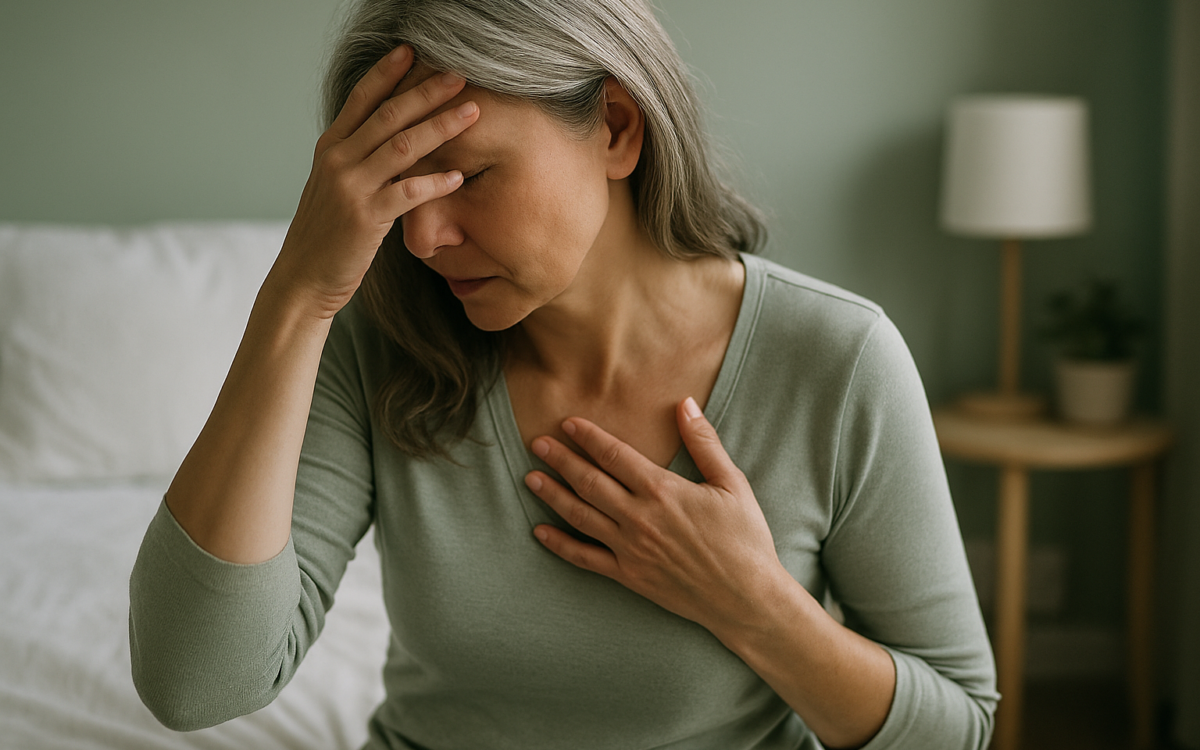
Menopause is a significant life transition for women, marking the end of menstrual cycles and the reproductive years. It usually occurs between ages 45 and 55, though it can happen earlier or later for some women. Understanding the signs and symptoms of menopause is essential for managing this change with confidence and grace.
What is Menopause?
Menopause happens when a woman’s ovaries stop producing eggs and the body naturally decreases its production of hormones like estrogen and progesterone. The change in hormone levels can lead to various physical and emotional symptoms that can affect day-to-day life.
Common Signs of Menopause
As women approach menopause, they may notice several signs indicating that this transition is underway. Here are some common symptoms:
- Irregular Periods: Changes in menstrual cycles are often one of the first signs of menopause. Periods may become longer, shorter, heavier, or lighter.
- Hot Flashes: Many women experience sudden feelings of warmth that spread over the body, often accompanied by sweating and heart palpitations. These can happen at night, too, disrupting sleep.
- Night Sweats: Related to hot flashes, night sweats can lead to excessive sweating at night, causing discomfort during sleep.
- Sleep Problems: Insomnia or poor-quality sleep can occur due to hormonal changes, making it difficult to feel well-rested.
Emotional and Psychological Changes
The hormonal fluctuations during menopause can also impact mood and mental health. Women may experience:
- Mood Swings: Emotional ups and downs can become more common, sometimes resembling premenstrual syndrome (PMS).
- Anxiety and Depression: Changes in hormone levels may increase the risk of anxiety and depression in some women.
- Memory Issues: Some women report difficulty concentrating or experiencing forgetfulness.
Physical Changes During Menopause
Besides emotional shifts, women can also encounter various physical changes as they transition through menopause:
- Vaginal Dryness: Decreased estrogen levels can lead to thinning vaginal tissues, causing dryness and discomfort during sexual activity.
- Changes in Libido: Some women may experience a decrease in sexual desire, while others may see an increase.
- Weight Gain: Hormonal changes can contribute to metabolic shifts, making it easier to gain weight, particularly in the abdominal area.
Long-Term Health Considerations
Menopause not only affects immediate physical and emotional health but can also have long-term impacts. Some considerations include:
- Bone Health: Estrogen helps maintain bone density, and its decline can increase the risk of osteoporosis.
- Cardiovascular Health: As estrogen levels drop, women may see an increased risk of heart disease and high blood pressure.
Natural Approaches to Managing Symptoms
While menopause is a natural process, many women seek ways to manage their symptoms. Here are some approaches that might help:
- Lifestyle Changes: Regular exercise, a balanced diet, and staying hydrated can alleviate some symptoms. Keeping a healthy weight is also beneficial.
- Stress Management: Practices such as yoga, meditation, or mindfulness can support emotional well-being.
- Herbal Remedies: Some women find relief with herbal supplements, but it’s crucial to consult with a healthcare provider before trying new remedies.
When to See a Doctor
It is essential to consult a healthcare provider if symptoms of menopause are severe, interfere with daily activities, or if there are concerns about health risks associated with menopause. A doctor can provide guidance and discuss options for symptom management, including hormone replacement therapy if appropriate. For more information, you can check sources like the NIH and the Mayo Clinic.
Conclusion
Menopause is a natural and transformative stage in a woman’s life. By recognizing the signs and symptoms, women can better navigate this transition. It’s important to remember that experiencing these changes is normal, and discussing them with a healthcare provider can lead to effective management strategies. Embracing this phase of life with knowledge and support can make the journey smoother and even empowering.
