
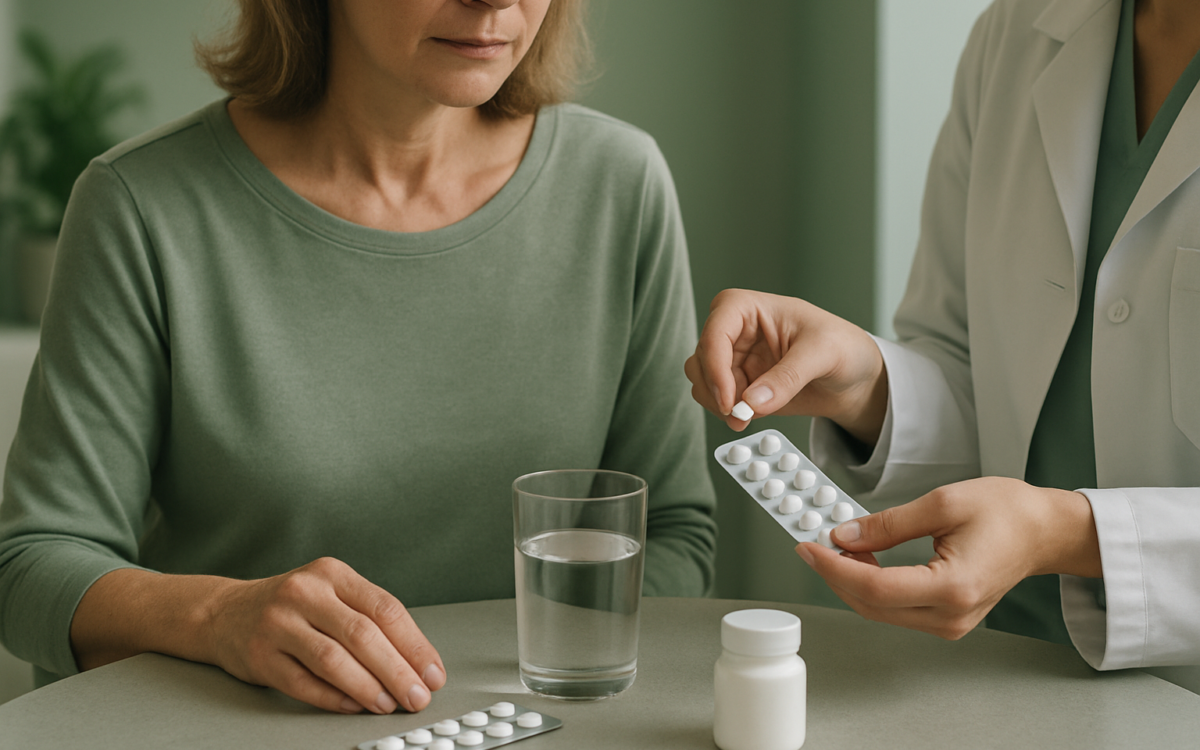
Menopause is a natural stage in a woman’s life, marking the end of reproductive years. While it can be a time of new beginnings, many women experience uncomfortable symptoms that can disrupt daily life. Understanding the various treatment options available can empower women to manage these changes more effectively. From lifestyle adjustments to medical therapies, each woman’s experience and needs are unique.
Common Symptoms of Menopause
Menopause signifies the end of menstrual cycles, typically occurring between ages 45 and 55. Along with the cessation of periods, women may face a range of symptoms, including:
- Hot flashes
- Night sweats
- Mood swings
- Sleep disturbances
- Weight gain
- Vaginal dryness
These symptoms can vary in intensity and duration, making it essential to find suitable treatment options to enhance comfort and quality of life.
Hormone Replacement Therapy (HRT)
Hormone Replacement Therapy is one of the most recognized treatments for menopause symptoms. HRT involves taking medications containing female hormones to replace the ones the body no longer makes after menopause. It can effectively alleviate hot flashes, night sweats, and vaginal dryness.
However, HRT may not be suitable for everyone. Women with a history of certain cancers, blood clots, or liver disease should consult their healthcare provider to discuss the risks and benefits. For more information on HRT, check resources from the National Institutes of Health.
Non-Hormonal Medications
If hormone therapy is not appropriate or preferred, there are non-hormonal medications available. These can include:
- Selective Serotonin Reuptake Inhibitors (SSRIs): Often used as antidepressants, they can also reduce hot flashes.
- Gabapentin: Originally used for treating seizures, gabapentin can also help manage hot flashes.
- Clonidine: Typically prescribed for high blood pressure, it may help reduce hot flashes.
Always talk to your doctor before starting any new medication to ensure it’s safe and appropriate for you.
Lifestyle Changes and Home Remedies
In addition to medical treatments, lifestyle modifications can play a vital role in managing menopause symptoms. Here are some suggestions:
- Eat a balanced diet: A diet rich in fruits, vegetables, whole grains, and lean proteins can support overall health and help manage weight.
- Stay active: Regular exercise can alleviate stress, improve mood, and promote better sleep.
- Practice relaxation techniques: Mindfulness, meditation, and yoga can help reduce anxiety and improve emotional well-being.
- Stay hydrated: Drinking plenty of water can help alleviate dry skin and promote overall health.
Implementing these lifestyle changes can significantly impact how you manage menopause symptoms, contributing to a smoother transition.
Alternative Therapies
Many women explore alternative therapies to find relief from menopause symptoms. While scientific evidence may vary, some options that some women find beneficial include:
- Herbal supplements: Black cohosh, red clover, and evening primrose oil are popular; however, consult your doctor before starting any supplements.
- Acupuncture: Some women report improvements in symptoms like hot flashes and mood swings.
- Aromatherapy: Essential oils can provide relaxation and may help with mood and sleep disturbances.
While alternative therapies can be helpful, it’s crucial to approach them with caution and discuss them with a healthcare provider to ensure they won’t interfere with other treatments.
Support Networks and Resources
Navigating menopause can be challenging, but you don’t have to go through it alone. Joining support groups, whether in-person or online, can provide a valuable community of women who understand what you are going through. Sharing experiences, tips, and resources can significantly help during this time.
Additionally, reputable organizations such as the World Health Organization and the Mayo Clinic offer informative resources and guidance on menopause management.
When to See a Doctor
If menopause symptoms significantly disrupt your daily life or if you have concerns about your health during this transition, it is essential to consult a healthcare provider. They can help you evaluate your symptoms and develop a personalized treatment plan tailored to your needs.
Conclusion
Menopause is a natural process that can come with its own set of challenges. By understanding the treatment options available—from hormone therapy to lifestyle changes and alternative therapies—women can take proactive steps to manage their symptoms. This phase of life can be a time of empowerment and self-discovery, and with the right support and information, it is possible to navigate these changes with confidence.
