
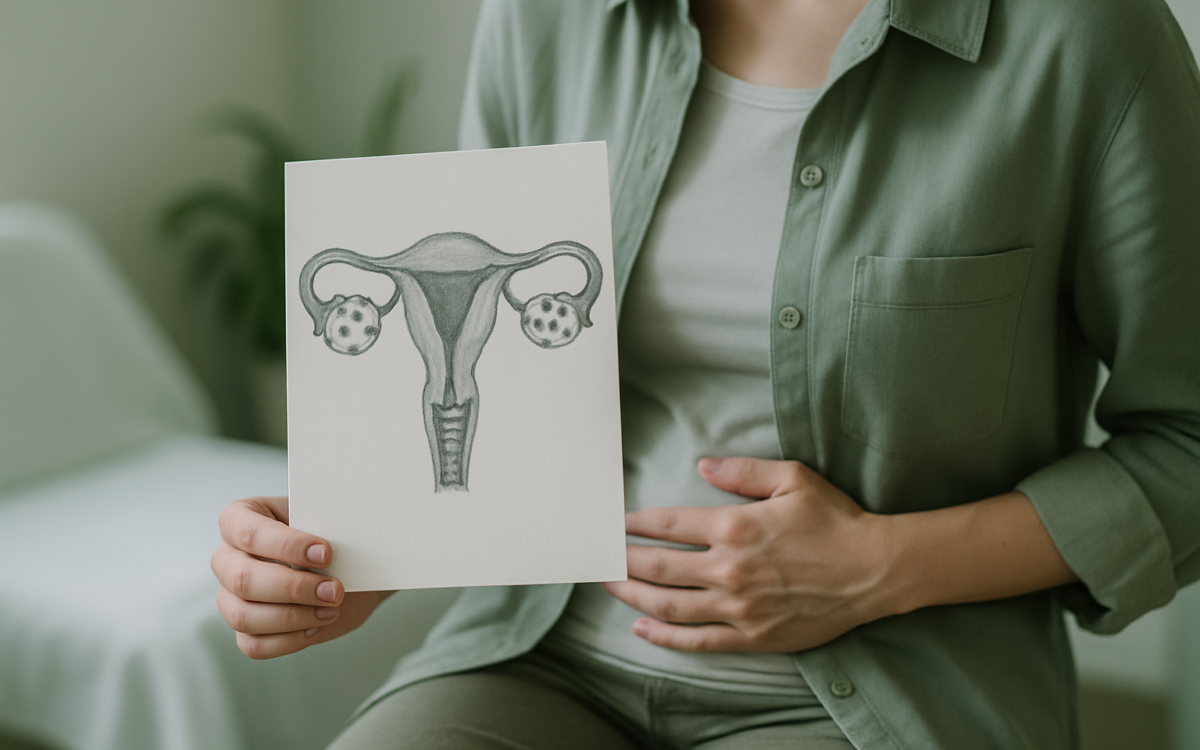
Polycystic ovarian syndrome (PCOS) is a common condition that affects how a woman’s ovaries work. It is often diagnosed in young women, particularly during their reproductive years. Understanding the symptoms of PCOS is crucial for early diagnosis and management. Symptoms can vary widely among individuals, making it essential to recognize them early on.
Understanding Polycystic Ovaries
Polycystic ovaries contain many small cysts, which are fluid-filled sacs. However, it’s important to note that not all women with polycystic ovaries will experience symptoms or be diagnosed with PCOS. The condition affects hormone levels, which can lead to several health challenges.
Common Symptoms of PCOS
Women with PCOS may experience a variety of symptoms, which can range from mild to severe. These can affect both physical and emotional well-being.
Menstrual Irregularities
One of the most common symptoms of PCOS is irregular menstrual cycles. Women may have fewer periods than normal or experience excessively heavy and prolonged bleeding. Some may even skip periods entirely. This is often due to hormonal imbalances that affect the regularity of ovulation.
Excessive Hair Growth
Another frequent symptom is hirsutism, which is excessive hair growth on areas where men typically grow hair, such as the face, chest, and back. This is linked to elevated levels of androgens, which are male hormones present in both men and women.
Weight Gain
Many women with PCOS find it challenging to maintain a healthy weight. Weight gain, particularly around the abdomen, is common. Even women who are not overweight may experience weight management issues as a result of insulin resistance, which can be associated with PCOS.
Acne and Skin Issues
Hormonal fluctuations can also lead to skin problems, such as acne and oily skin. Some women might notice dark, thick patches of skin in certain areas, such as the neck and underarms, a condition known as acanthosis nigricans.
Emotional and Psychological Symptoms
Living with PCOS can have significant emotional and psychological effects. Many women report feelings of anxiety and depression due to the physical symptoms and the impact they can have on self-esteem and body image. It’s important to seek support if you’re experiencing these emotions.
Long-term Risks Associated with PCOS
Beyond the immediate symptoms, PCOS can pose long-term health risks. Women with this condition are at a higher risk for various health issues, including:
- Type 2 Diabetes: Insulin resistance can lead to higher blood sugar levels, increasing the risk of diabetes.
- Heart Disease: Hormonal imbalances associated with PCOS can increase the risk of heart-related problems.
- Endometrial Cancer: Irregular menstrual cycles and limited ovulation can raise the risk of uterine lining complications.
Being aware of these risks can help in taking proactive steps towards monitoring and maintaining overall health.
When to See a Doctor
If you are experiencing symptoms of PCOS or have concerns about your menstrual cycle, it is important to consult a healthcare professional. Early diagnosis can lead to improved management of the condition and reduce the risk of long-term health complications. A healthcare provider can provide the right tests and guide you to the appropriate treatment options.
Conclusion
Polycystic ovarian syndrome is a multifaceted condition with a variety of symptoms that can affect women’s health. By understanding the signs and seeking timely medical advice, women can better manage their health and reduce the impact of PCOS issues. For more detailed information, consider checking reputable sources such as the National Institutes of Health or the Mayo Clinic.
