
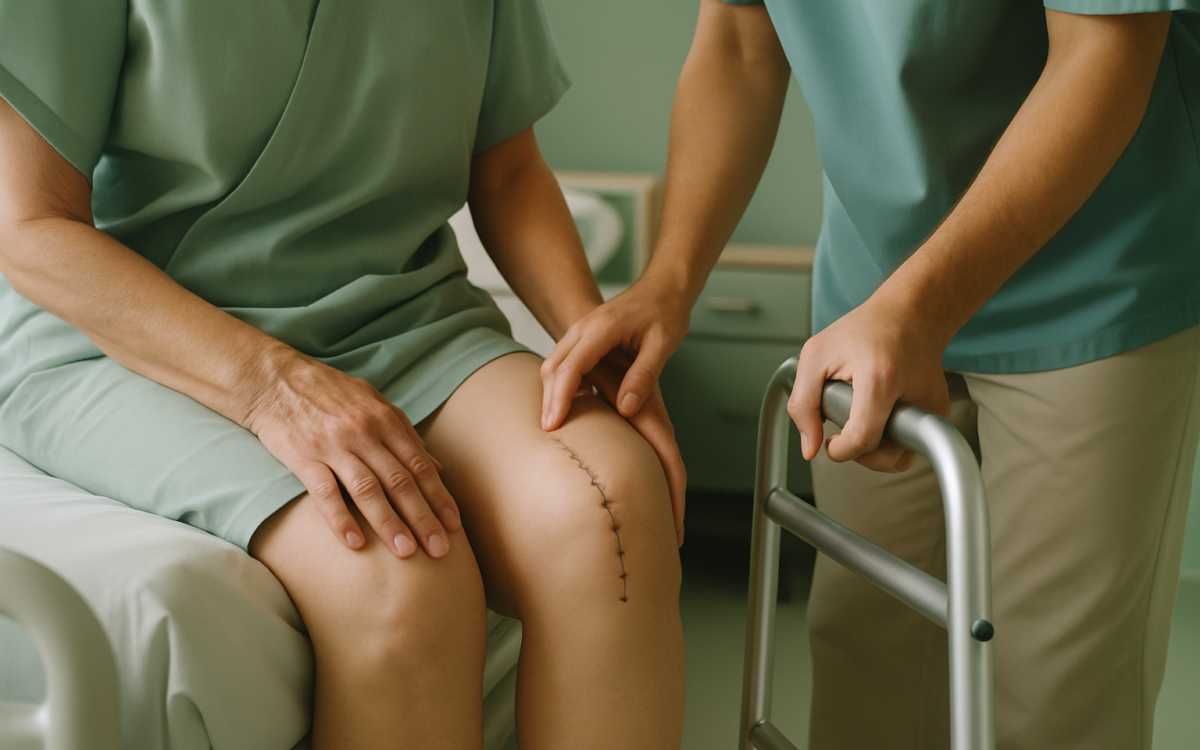
Undergoing a total knee replacement can be a life-changing decision, especially for people struggling with severe knee pain. While this surgery can restore mobility and significantly improve quality of life, understanding the recovery timeline is crucial for setting realistic expectations. Recovery involves various stages, each with specific goals and challenges. Let’s break down what to expect after your surgery.
The Beginning: Immediately After Surgery
Once the surgery is complete, you will be moved to a recovery area for monitoring. The initial few hours are focused on pain management and ensuring your vital signs are stable. Physical therapy may begin in this early phase to facilitate gentle movement of your knee. Most people stay in the hospital for 1 to 3 days following surgery, although this varies based on individual recovery and health conditions.
Week 1: Early Recovery and Pain Management
The first week after surgery is often marked by significant soreness and swelling around your knee. It’s common to have some pain, which can be managed with prescribed medications. Here’s what you can anticipate:
- Physical Therapy: You will meet a physical therapist who will guide you through exercises to improve range of motion and strengthen your knee.
- Weight Bearing: You might be using crutches or a walker, depending on your doctor’s recommendations.
- Rest and Elevation: Remember to rest and elevate your leg to reduce swelling and pain.
At the end of this week, most patients can achieve a range of 90 degrees of knee flexion, setting the stage for further improvement.
Weeks 2 to 4: Building Strength and Mobility
As you progress to the second and third weeks, expect to see a gradual improvement in your pain levels and mobility. At this stage:
- Exercise Routine: Your therapist will introduce more challenging exercises focusing on strength-building and mobility.
- Increased Activity: Most patients can begin walking without assistance, although using a cane may still be necessary for balance.
- Ongoing Care: Continue to manage discomfort with medication and adjust to changes in activity levels.
By the end of week four, many people report being able to perform light daily tasks, such as getting in and out of chairs and walking short distances without assistance.
Weeks 4 to 12: Refining Function and Daily Living
Between weeks four and twelve, you’ll notice substantial improvements in knee function:
- Return to Normality: Many patients begin to resume light activities and may go back to work, depending on their occupation.
- Decreased Swelling: Swelling and pain should significantly diminish, allowing for a more comfortable experience in daily life.
- Continued Therapy: Ongoing physical therapy sessions will focus on improving strength, stability, and balance.
This is a crucial stage where maintaining a consistent exercise routine helps further recovery. It’s also a time to evaluate any remaining pain or challenges with your knee and communicate these with your doctor.
Months 3 to 6: Achieving Functional Goals
During the third through sixth months, many patients reach milestones that were once challenging:
- Enhanced Mobility: You may be able to walk without a limp and tackle stairs with greater ease.
- Resuming Hobbies: Light sports and hobbies can often be resumed, though high-impact activities should still be approached with caution.
- Result Evaluation: Your doctor will conduct assessments to ensure the knee is healing well and functioning as expected.
This phase is for positive reinforcement; celebrate your accomplishments and keep engaging in prescribed exercises.
Months 6 to 12: Long-Term Recovery and Full Functionality
As you approach the one-year mark, the focus shifts to sustaining and enhancing your knee functionality:
- Full Range of Motion: Most patients achieve near-full range of motion by this point.
- Strengthening: You may start a stronger, more advanced rehabilitation program as guided by your therapist.
- Final Assessment: A follow-up appointment will help assess your long-term recovery.
While some people continue to improve for a year or more, remember that every recovery journey is unique. Consistent communication with your healthcare provider remains key to addressing any concerns.
When to See a Doctor
While recovery can vary from person to person, there are specific signs that should prompt you to contact your healthcare provider:
- Persistent pain that doesn’t improve with medication.
- Increased swelling or redness around the knee.
- Fever or chills, which may indicate an infection.
- Inability to move the knee or sudden onset of severe pain.
If you notice any of these symptoms, consult your doctor for guidance and care.
In conclusion, recovering from a total knee replacement is a gradual process filled with ups and downs. The recovery timeline outlined here provides a roadmap of what to anticipate, but keep in mind that individual experiences may vary. Staying informed, following your healthcare provider’s recommendations, and maintaining a positive outlook are all critical components to achieving a successful recovery.
