
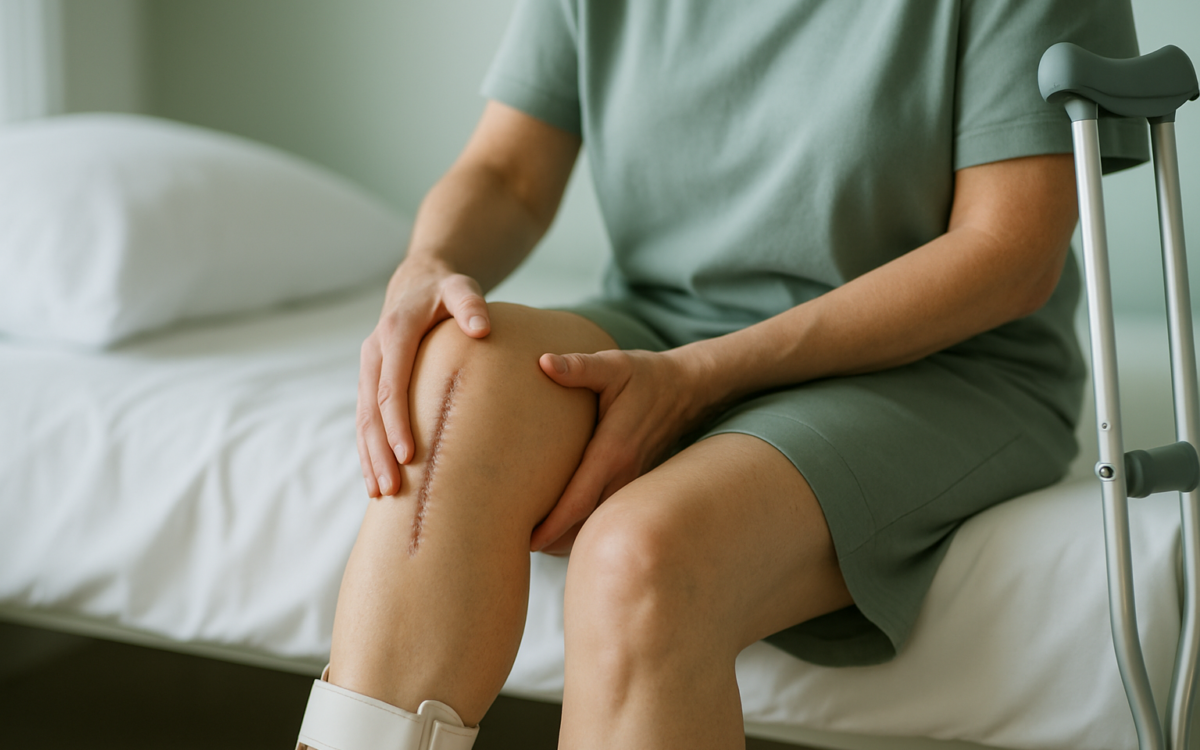
Undergoing a partial knee replacement is a significant step toward regaining mobility and reducing pain in individuals with knee arthritis or injury. While it’s natural to feel anxious about the surgery and what comes next, understanding the recovery timeline can help clarify what to expect, allowing you to better prepare and manage your recovery process.
Understanding Partial Knee Replacement
A partial knee replacement, or unicompartmental knee arthroplasty, is a surgery that involves replacing only the damaged part of the knee joint while leaving the healthy tissue intact. This procedure is often recommended for patients who have osteoarthritis confined to one side of the knee. By preserving more of the natural knee, recovery can be faster and less complicated compared to total knee replacement.
Initial Recovery Phase: First Few Days
The first phase of recovery typically takes place in the hospital. After the surgery, you will be monitored closely for a few hours to ensure there are no complications. Pain management will be a priority, and your healthcare team will provide medications to help with discomfort.
During the initial recovery days:
- Stay Active: You may start walking with assistance, usually within a day after surgery. Physical therapy might begin soon, focusing on gentle movements.
- Swelling and Bruising: It’s normal to experience swelling and bruising around the knee. Applying ice and elevating the leg can help.
- Bands and Dressings: Keep the surgical site clean and dry, following your surgeon’s instructions regarding changing dressings and care.
Weeks 1 to 2: Home Recovery and Physical Therapy
Once you leave the hospital, your focus will shift to home recovery. This period is crucial for setting the foundation for a successful rehabilitation process. You will need a caregiver or family member to assist with daily activities.
During weeks 1 to 2:
- Physical Therapy: Regular sessions will help you regain strength and mobility. Your therapist will guide you through specific exercises tailored to your recovery.
- Pain and Mobility: Continue managing pain with prescribed medications. You may need crutches or a walker while you adjust to moving.
- Follow-up Visits: Scheduled follow-ups with your surgeon are essential to monitor recovery and ensure proper healing.
Weeks 3 to 6: Building Strength
By the end of week 3, many patients report improvements in pain levels and mobility. Most can put full weight on their knee with less discomfort. Continuing physical therapy during this time is crucial for your long-term recovery.
Key aspects to focus on during weeks 3 to 6 include:
- Gradual Increase in Activity: Your therapy will progress, helping you strengthen the muscles around your knee and improve overall balance.
- Expect Variability: Recovery can vary widely among individuals. Some may feel ready to engage in light activities, while others may still require more rest.
Months 2 to 3: Resuming Normal Activities
As you reach the 2 to 3-month mark, you may find that daily activities become more manageable. Many patients experience a significant reduction in pain and increased range of motion in their knees.
During these months:
- Return to Work: If your job is not physically demanding, you might return to work within this timeframe. Consult your doctor regarding when it’s safe for you to go back.
- Light Exercise: Low-impact activities like walking, swimming, or cycling may be encouraged to promote overall fitness.
- Continue Therapy: You might be encouraged to continue physical therapy sessions to ensure ongoing improvement.
Months 4 to 6: Continued Healing and Activity Expansion
By four to six months, most patients report significant improvements. Many can enjoy a more active lifestyle, including activities that were difficult before surgery.
Focus areas include:
- Increased Strength: You should begin to feel more stable and confident in your movements, with less pain during typical activities.
- Explore Activities: You may start incorporating activities like golfing or light hiking, but always with your doctor’s approval and guidance.
- Ongoing Assessment: Regular check-ups with your healthcare provider will remain essential to monitor long-term healing.
Long-Term Recovery: Beyond Six Months
Full recovery can take up to a year or longer, but most patients feel a significant improvement in their knee function in the initial months. During this long-term recovery phase, it’s crucial to continue listening to your body and not rush into high-impact activities.
Things to consider long-term:
- Mental Adjustment: It’s normal to feel anxiety about reintegrating into more rigorous physical activities. Fear of re-injury can be common.
- Follow Medical Guidance: Keep in contact with your healthcare provider about any persistent pain or adjustment issues.
- Long-Term Exercises: Engage in consistent low-impact exercises to maintain knee strength and flexibility.
When to See a Doctor
While recovery is expected to progress naturally, there are circumstances when you should consult your doctor:
- Excessive swelling or bruising beyond what is typical.
- Severe pain not alleviated by medication.
- Signs of infection, such as fever or unusual redness at the surgical site.
- Persistent instability or problems moving the knee.
Understanding the recovery timeline following a partial knee replacement can help you navigate the journey with more confidence and preparation. Recovery varies for each individual, and always consult your healthcare provider to tailor your rehabilitation to your needs. By staying active and following medical guidance, you can maximize your recovery success.
