
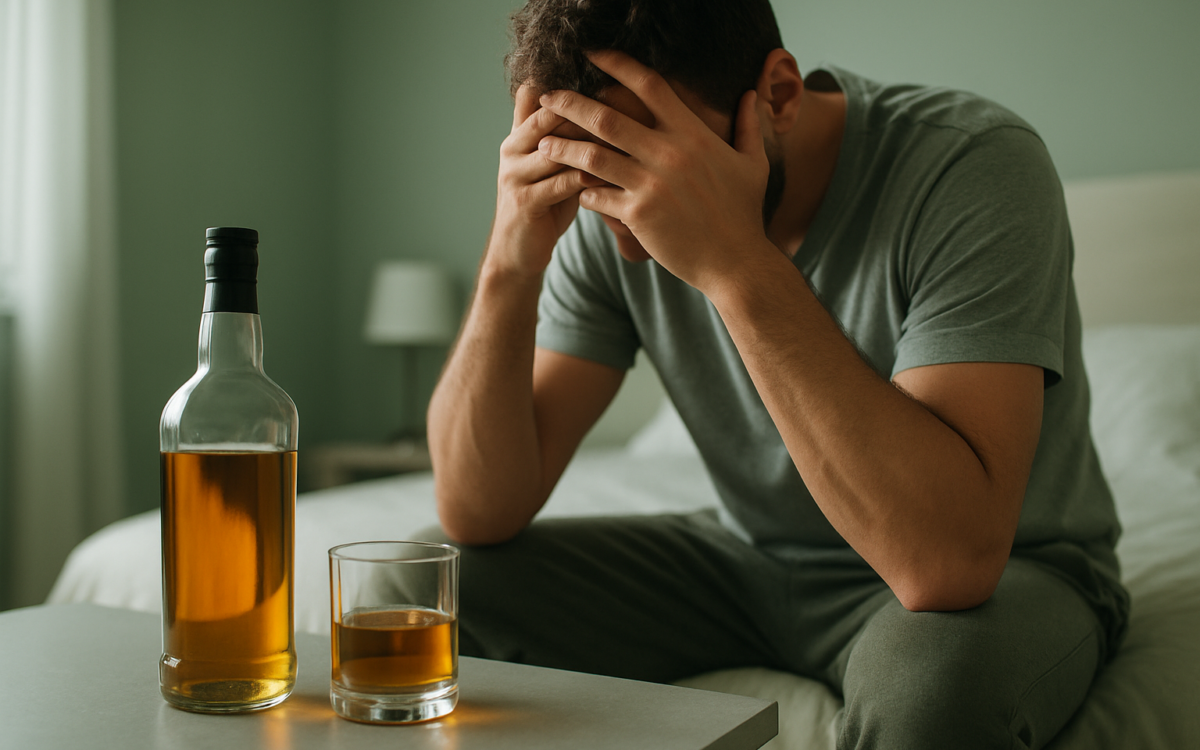
Alcohol dependence can have a profound impact on both physical and emotional well-being. For individuals affected, the journey to recovery may involve facing challenging withdrawal symptoms. Understanding what these symptoms are, their timeline, and the importance of seeking help can be crucial in tackling this condition.
What is Alcohol Dependence?
Alcohol dependence, often referred to as alcoholism or alcohol use disorder, is characterized by a strong craving for alcohol, loss of control over drinking, and withdrawal symptoms when not consuming it. This chronic disease affects millions of people worldwide, with the World Health Organization estimating that over 2.3 billion people consume alcohol regularly.
Recognizing Withdrawal Symptoms
When a person who is dependent on alcohol suddenly reduces or stops drinking, withdrawal symptoms can occur. These vary widely in severity and duration, depending on several factors including individual health, the amount and frequency of alcohol consumed, and previous withdrawal experiences. Common withdrawal symptoms include:
- Anxiety or irritability
- Insomnia or disruptions in sleep
- Shakiness or tremors
- Nausea and vomiting
- Profuse sweating
- Rapid heartbeat
Severe Withdrawal Symptoms
While many experience mild symptoms, some may face severe withdrawal, known as delirium tremens (DTs). DTs can be life-threatening and are characterized by:
- Severe confusion or disorientation
- Hallucinations
- Severe agitation
- Seizures
According to the National Institutes of Health, approximately 5-15% of individuals undergoing alcohol withdrawal experience DTs, especially in those with a heavy drinking history.
The Timeline of Withdrawal
Withdrawal symptoms do not appear immediately and can follow a general timeline:
- 6-12 hours: Symptoms such as anxiety, tremors, and sweating may begin.
- 12-24 hours: Mild to moderate symptoms can intensify.
- 24-48 hours: Symptoms may peak, and hallucinations or seizures can occur.
- 48-72 hours: This period may see the highest risk for severe complications, including DTs.
- After 72 hours: Symptoms generally begin to diminish, but some may last for weeks.
Coping with Withdrawal Symptoms
For anyone facing alcohol withdrawal, propelling oneself toward recovery can be daunting, but there are effective strategies to manage symptoms:
- Seek Professional Help: Consult a healthcare provider specializing in addiction for safe withdrawal management.
- Detox Programs: Inpatient or outpatient detox programs can provide medical supervision and support during withdrawal.
- Support Groups: Engaging with support groups like Alcoholics Anonymous (AA) can provide emotional and social support.
Long-Term Strategies for Recovery
Once withdrawal symptoms subside, ongoing strategies for long-term recovery can improve the chances of maintaining sobriety:
- Therapy: Counseling or therapy can aid in addressing underlying issues related to alcohol use.
- Lifestyle Changes: Engaging in physical activities, adopting a healthy diet, and building a social network can enhance well-being.
- Mindfulness and Relaxation Techniques: Practices such as meditation, yoga, or deep-breathing exercises can help manage stress and cravings.
When to See a Doctor
If you or someone you know is experiencing withdrawal symptoms after reducing or stopping alcohol consumption, it is essential to seek medical attention. The symptoms can escalate quickly, leading to severe health risks. Consultation with a healthcare provider can not only ensure safety but also provide access to vital resources for recovery.
Conclusion
Alcohol dependence is a complex condition that requires understanding and compassion, both for those experiencing it and their loved ones. Recognizing the signs of alcohol dependence and withdrawal symptoms is the first step towards recovery. With the right help and support, individuals can regain control over their lives and work towards a healthier, alcohol-free future.
