
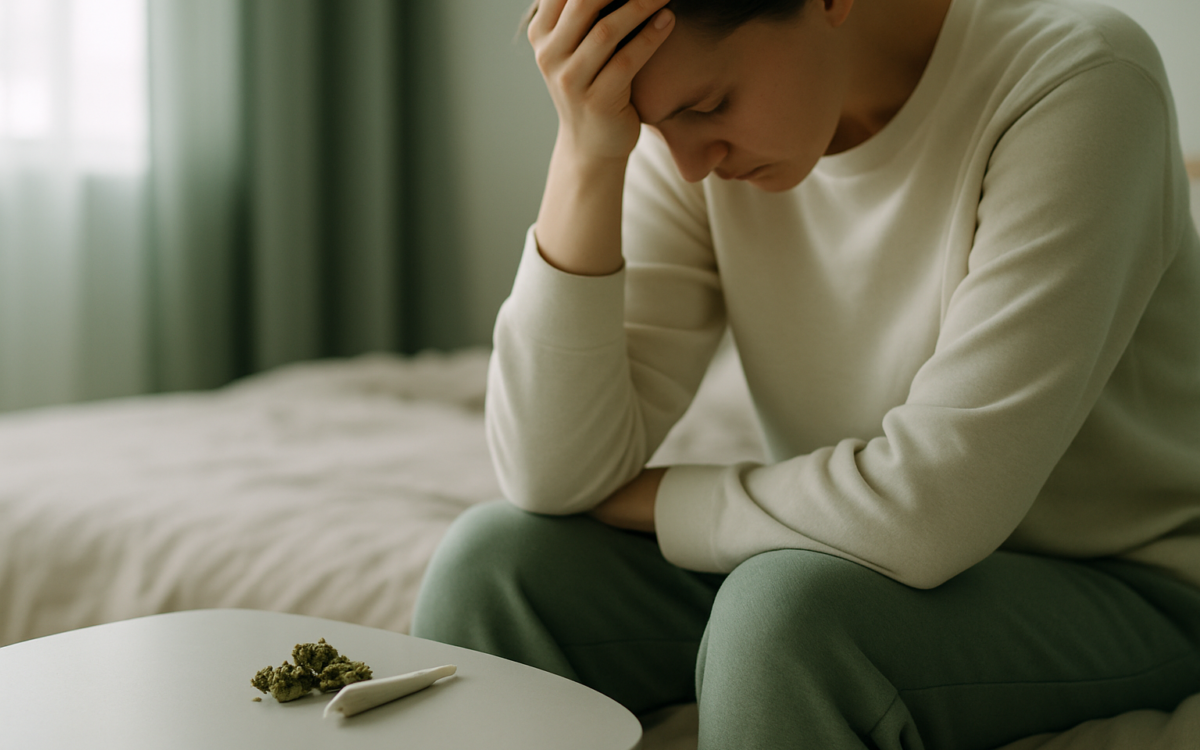
As marijuana use becomes more commonplace, even in states where it is legal, there are many individuals who find themselves needing to cut back or quit entirely. Whether for personal, health, or legal reasons, stopping marijuana can lead to an often-overlooked issue: withdrawal symptoms. Understanding what these symptoms are, how they can affect you, and ways to manage them can be crucial for a successful transition.
What Are Marijuana Withdrawal Symptoms?
When people stop using marijuana after a period of heavy or regular use, they may experience a variety of withdrawal symptoms. These can range from mild to severe and can impact daily life.
Common Symptoms of Withdrawal
Marijuana withdrawal symptoms are both physical and psychological. Some common symptoms include:
- Irritability: Many people feel irritable or easily frustrated during withdrawal.
- Insomnia: Difficulty sleeping is one of the most reported symptoms, as it can be hard to relax without the aid of marijuana.
- Loss of appetite: Some may find they have little desire to eat, while others may experience the opposite.
- Anxiety and depression: Mood changes are frequently noted, with increased anxiety and a feeling of sadness.
- Difficulty concentrating: Individuals may experience foggy thoughts or trouble focusing.
- Headaches: Physical symptoms like headaches can also occur during withdrawal.
- Nausea: Some people report feeling nauseous as their bodies adjust.
Timeline of Withdrawal Symptoms
Understanding when to expect withdrawal symptoms can be helpful. Symptoms typically begin within the first week of stopping marijuana use, often peaking around days 2 to 6. Here’s a generalized timeline:
- Days 1-2: Initial insomnia, irritability, and possible headaches.
- Days 3-7: Peak of symptoms where anxiety, mood changes, and nausea may intensify.
- Week 2: Symptoms start to lessen, but challenges with mood and sleep may continue.
- Week 3: Most physical symptoms should have resolved, though psychological symptoms, like cravings, can persist.
Factors Influencing Withdrawal Severity
The severity and duration of withdrawal symptoms can depend on various factors, including:
- Frequency of use: Those who use marijuana regularly and in larger amounts are likely to experience more severe symptoms.
- Duration of use: Prolonged exposure increases the likelihood of developing a physical dependency.
- Individual physiology: Each person’s body reacts differently, meaning genetics can play a role in how intensely symptoms are felt.
- Underlying mental health conditions: If someone has a history of anxiety or depression, they may experience more significant psychological symptoms.
Coping Strategies for Withdrawal
While some may need professional help to navigate marijuana withdrawal, there are coping strategies that can be beneficial:
- Stay active: Engaging in physical activities like walking, running, or yoga can improve mood and promote better sleep.
- Communicate: Sharing your experience with friends, family, or support groups can make the process less isolating.
- Seek professional help: If feelings of anxiety or depression become overwhelming, connecting with a mental health professional can provide essential support.
- Consider international treatment options: For those seeking comprehensive support, facilities like Acibadem International provide various therapies aimed at helping individuals through substance withdrawals.
- Healthy diet: Maintaining a balanced diet can help stabilize mood and energy levels.
When to See a Doctor
If withdrawal symptoms become severe or unmanageable, it is essential to seek medical advice. This is especially true if there are signs of suicidal thoughts, intense anxiety, or physical health issues. Consulting a healthcare professional can help ensure safety and provide tailored support. Not only can a doctor assess the severity of withdrawal, but they can also suggest appropriate treatment options or therapies.
Final Thoughts
Understanding marijuana withdrawal symptoms can empower individuals to tackle the challenges of stopping use effectively. Education about the possible effects, alongside the recognition of personal triggers and supportive measures, can make a significant difference. Remember, it’s always helpful to consult a healthcare provider if you have concerns about your health or withdrawal experience.
