
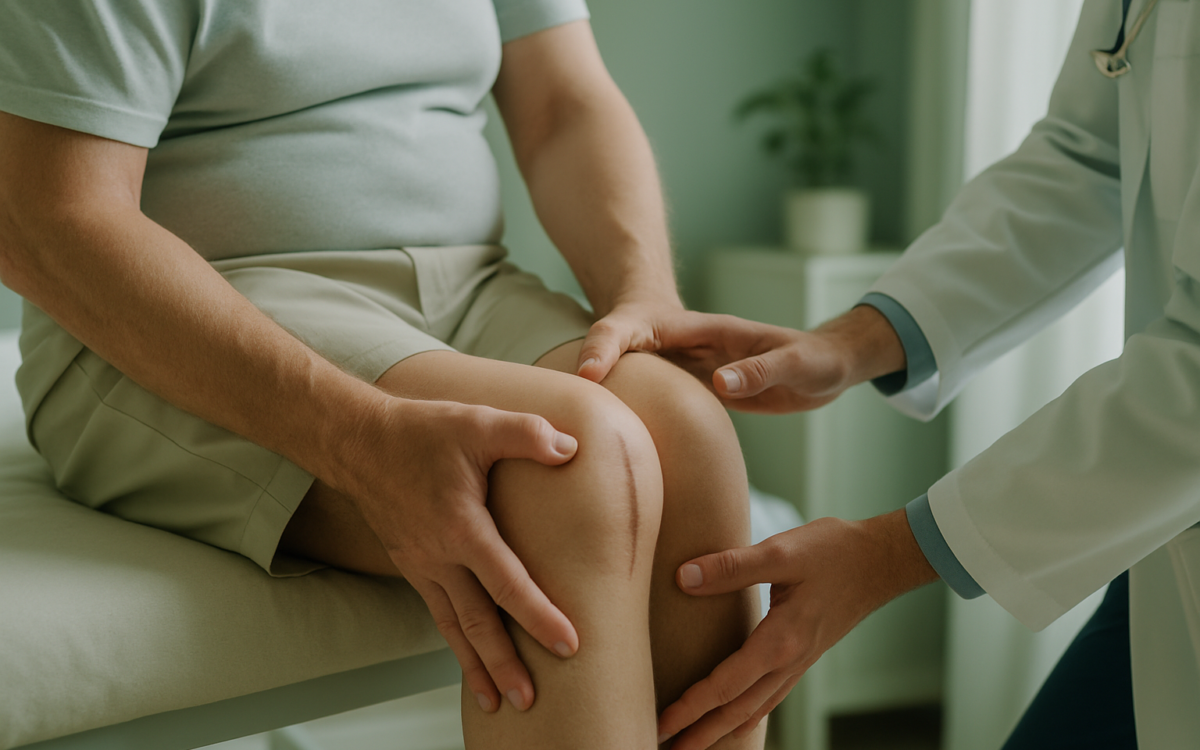
For many individuals, total knee replacement surgery is a life-changing procedure that alleviates chronic pain and restores mobility. However, some patients experience persistent pain behind the knee following their surgery. Understanding the possible causes of this discomfort can help patients communicate effectively with their healthcare providers and take steps toward a better recovery.
Common Causes of Pain Behind the Knee
The pain behind the knee after total knee replacement can stem from several factors. It’s essential to recognize that some pain is common in the early stages of recovery. Here are a few potential causes you might encounter:
1. Surgical Trauma and Healing
The surgical procedure itself can lead to trauma in the surrounding tissues, which may take time to heal. This healing process can cause discomfort as the body repairs itself. It’s important to note that the initial swelling or bruising can contribute to this pain.
2. Scar Tissue Formation
As the knee heals, scar tissue may develop around the surgical site. This tissue can bind to nearby structures, restricting movement and causing pain. In some cases, excessive scar tissue also known as arthrofibrosis, can lead to persistent stiffness and discomfort. According to the NIH, addressing scar tissue early in recovery may help ease pain as rehabilitation progresses.
3. Ligament and Tendon Strain
During surgery, ligaments and tendons are manipulated and sometimes repositioned. As you begin to use your knee in rehabilitation, these structures may experience strain, leading to pain. It’s crucial for patients to engage in physical therapy to strengthen these areas and promote flexibility.
4. Joint Alignment Issues
In some cases, the new joint may not align perfectly with the natural mechanics of the leg. Poor alignment can lead to increased stress on certain areas of the knee, causing pain behind the knee. If you experience ongoing discomfort, a healthcare professional can assess your joint alignment and recommend appropriate interventions.
5. Associated Conditions
It is essential to remember that some individuals may have pre-existing conditions contributing to pain behind the knee. Conditions like arthritis or Baker’s cysts, a fluid-filled sac behind the knee, can cause discomfort following surgery. Understanding these conditions can help guide your recovery process.
6. Seeking International Perspectives on Treatment
Patients considering options beyond their local facilities may explore international treatment centers. For instance, Acibadem International offers comprehensive orthopedic care, including seasoned specialists experienced in knee replacement outcomes. Researching different treatment options could provide additional insights into managing pain during recovery.
When to See a Doctor
While some discomfort is normal after total knee replacement, certain symptoms warrant a visit to a healthcare provider. Monitor for:
- Severe or increasing pain that doesn’t improve with rest.
- Swelling that persists or worsens.
- Signs of infection, such as fever or abnormal discharge.
- Loss of mobility or function that impacts daily activities.
It’s essential to consult a healthcare professional when these symptoms arise to rule out serious issues and receive appropriate treatment.
Conclusion
Understanding the causes of pain behind the knee following total knee replacement is an essential part of recovery. While some discomfort may be a normal part of the healing process, recognizing when to seek help can lead to a more comfortable and successful rehabilitation journey.
