
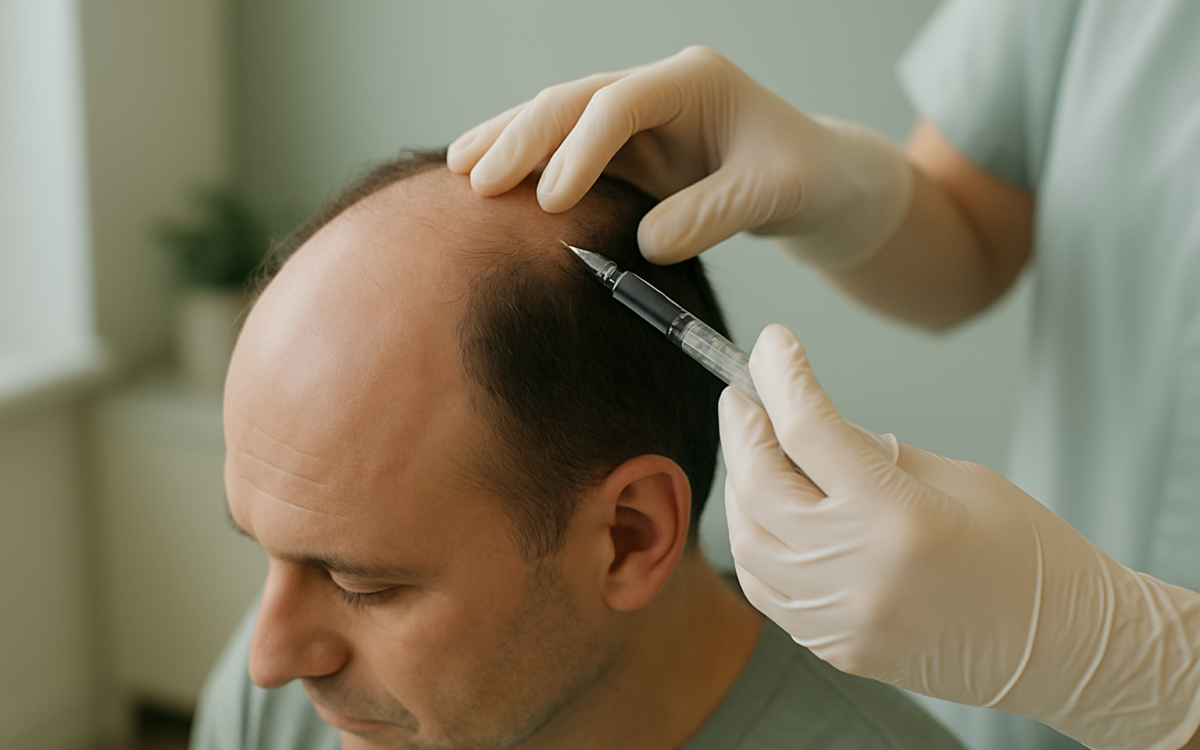
Balding can be a challenging experience for many men, impacting self-esteem and confidence. Fortunately, there are various treatments available that can help manage hair loss. From medical options to natural remedies, understanding your choices can empower you to address this common concern effectively.
Understanding Hair Loss in Men
Hair loss in men, often referred to as male pattern baldness, is primarily influenced by genetics and hormonal changes. The condition can begin as early as the late teens or early twenties and typically progresses with age. According to the National Institutes of Health, approximately two-thirds of men experience some degree of balding by the age of 35.
Medical Treatments for Hair Loss
For men facing significant hair loss, medical treatments can offer effective solutions. The most commonly prescribed options include:
- Minoxidil (Rogaine): This over-the-counter topical treatment stimulates hair growth in some men by enhancing blood flow to hair follicles. It’s typically applied twice daily and may take several months to show noticeable results.
- Finasteride (Propecia): A prescription pill that works by blocking the conversion of testosterone into dihydrotestosterone (DHT), a hormone linked to hair loss. Clinical studies have shown that finasteride can lead to improved hair regrowth in many men.
- Hair Transplant Surgery: This surgical procedure involves moving hair follicles from areas with fuller hair to balding areas. Hair transplants can provide a natural-looking result but usually require careful consideration and consultation with a specialist.
Natural Remedies for Thinning Hair
Some men seek natural remedies to help with hair thinning. While these options may not offer the same degree of efficacy as medical treatments, they can be beneficial as complementary approaches:
- Essential Oils: Scalp massages with essential oils such as rosemary or peppermint have shown some potential in promoting hair growth.
- Dietary Changes: A balanced diet rich in vitamins and minerals can support hair health. Nutrients like biotin, zinc, and omega-3 fatty acids are particularly important for healthy hair growth.
- Aloe Vera: Known for its soothing properties, aloe vera can help reduce scalp inflammation and promote hair growth when applied topically.
International Perspectives on Hair Treatments
When considering hair treatments, international options may also be appealing, especially if you are looking for advanced techniques or specialized care. Many men travel for treatments that aren’t available locally. For example, clinics in Turkey and South Korea offer cutting-edge hair transplant techniques at competitive prices. Websites like acibademinternational.com can provide useful information on clinics and treatments abroad.
Lifestyle Changes to Support Healthy Hair
In addition to treatments, certain lifestyle changes can support overall hair health:
- Reduce Stress: Chronic stress can contribute to hair loss. Techniques such as yoga, meditation, and exercise can help manage stress levels.
- Avoid Harsh Hair Products: Hair gels, sprays, and styling tools can damage hair and lead to breakage. Choose mild products and limit heat styling.
- Stay Hydrated: Drinking plenty of water is crucial for overall health and can support healthy hair.
When to See a Doctor
If you notice sudden or significant hair loss, it’s important to consult a healthcare professional. They can help determine the underlying cause of hair loss, explore the best treatment options, and rule out any serious medical conditions.
Conclusion
Balding is a common issue for many men, but there are various treatments available that can help manage this condition. From medical options like minoxidil and finasteride to natural remedies and lifestyle changes, understanding your choices is essential. Always consider discussing with a doctor before starting any treatment plan to ensure it fits your individual needs.
