
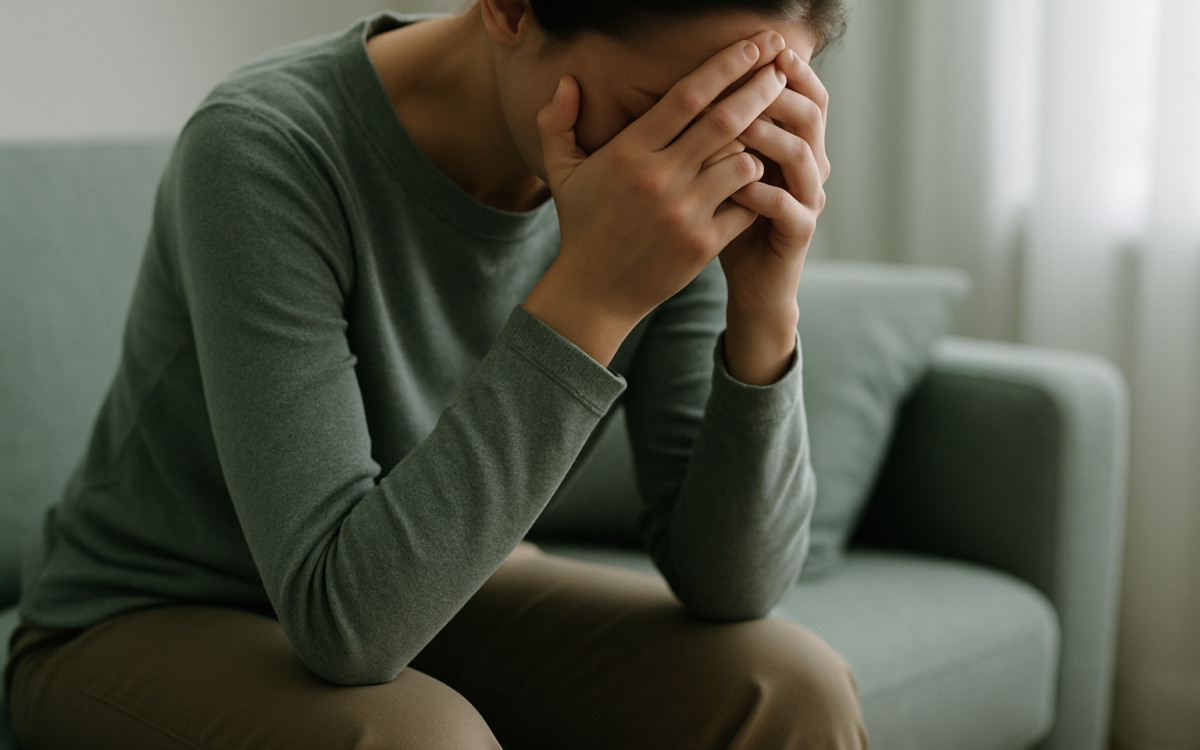
Anxiety is a common emotional response that everyone experiences from time to time. It can act as a natural alarm system, alerting us to danger or preparing us for stressful situations. However, for some individuals, anxiety can escalate into something more serious, leading to severe symptoms that disrupt daily life. Understanding these symptoms is essential for identifying when anxiety might require professional help.
What Is Severe Anxiety?
Severe anxiety often goes beyond typical feelings of nervousness or worry. It can sometimes manifest as an anxiety disorder, affecting how a person thinks, feels, and functions in everyday life. There are several types of anxiety disorders, including generalized anxiety disorder, panic disorder, social anxiety disorder, and specific phobias. Each type presents its own unique set of severe symptoms.
Common Symptoms of Severe Anxiety
People experiencing severe anxiety may report a range of symptoms, which can fluctuate in intensity and duration. Common symptoms include:
- Persistent Worry: Constantly worrying about the future or experiencing irrational fears that feel overwhelming.
- Physical Symptoms: Palpitations, trembling, sweating, muscle tension, and gastrointestinal issues are common when anxiety spikes.
- Restlessness: An inability to relax or sit still, often leading to feeling keyed up or on edge.
- Difficulty Concentrating: Severe anxiety can impair one’s ability to focus or make decisions.
- Sleep Disturbances: Insomnia, nightmares, or restless sleep can all occur as a result of anxiety.
It’s crucial to recognize that these symptoms can vary significantly from one individual to another and can be influenced by various factors such as genetics, environment, and personal history.
How Severe Anxiety Affects Daily Life
Living with severe anxiety can have a profound impact on relationships, work performance, and overall quality of life. Individuals may avoid social situations, decline job opportunities, or struggle to manage daily responsibilities. This avoidance behavior can limit experiences and lead to isolation, further exacerbating feelings of anxiety. The mental burden can sometimes make even routine tasks feel insurmountable.
Identifying Triggers for Severe Anxiety
Recognizing what provokes severe anxiety in specific individuals can be greatly beneficial. Triggers can be environmental, social, or even based on past experiences. Some common triggers may include:
- Major life changes such as moving, job loss, or divorce.
- Stressful or traumatic events.
- Health-related issues, including chronic illness or significant changes in health status.
- Social interactions, especially in new or unfamiliar environments.
Keeping a journal to note patterns in anxiety can help individuals and healthcare providers identify triggers. This awareness is the first step in developing effective coping strategies.
Coping Strategies for Managing Severe Anxiety
While severe anxiety symptoms can be distressing, various coping strategies can help manage feelings and reduce anxiety levels:
- Mindfulness and Relaxation Techniques: Engaging in yoga, deep breathing exercises, or meditation can help ground individuals and bring calmness.
- Physical Activity: Regular exercise has been shown to reduce anxiety and improve mood.
- Establishing a Routine: Having a daily routine can provide structure and predictability, which may reduce anxiety.
- Seeking Support: Talking to friends, family, or support groups can provide emotional relief and a sense of connection.
- Professional Help: Consider therapy or counseling as a way to work through anxiety and develop personalized coping strategies.
Taking proactive steps to manage severe anxiety can significantly improve quality of life.
When to See a Doctor
If severe anxiety symptoms persist or worsen, it’s essential to seek professional help. A healthcare provider can offer support, evaluate the situation, and discuss treatment options, which may include therapy, medication, or a combination of both. Early intervention can lead to better outcomes and enhance coping skills.
Conclusion
Severe anxiety symptoms can feel consuming and daunting, impacting many areas of life. Understanding these symptoms, recognizing triggers, and employing coping strategies can empower individuals to take control of their mental health. Awareness and open conversations about anxiety are crucial in reducing stigma and promoting healing. Remember, if you or someone you know is struggling, don’t hesitate to seek help. Health organizations like the National Institute of Mental Health and the World Health Organization offer resources and information to guide you on your journey toward better mental health.
