
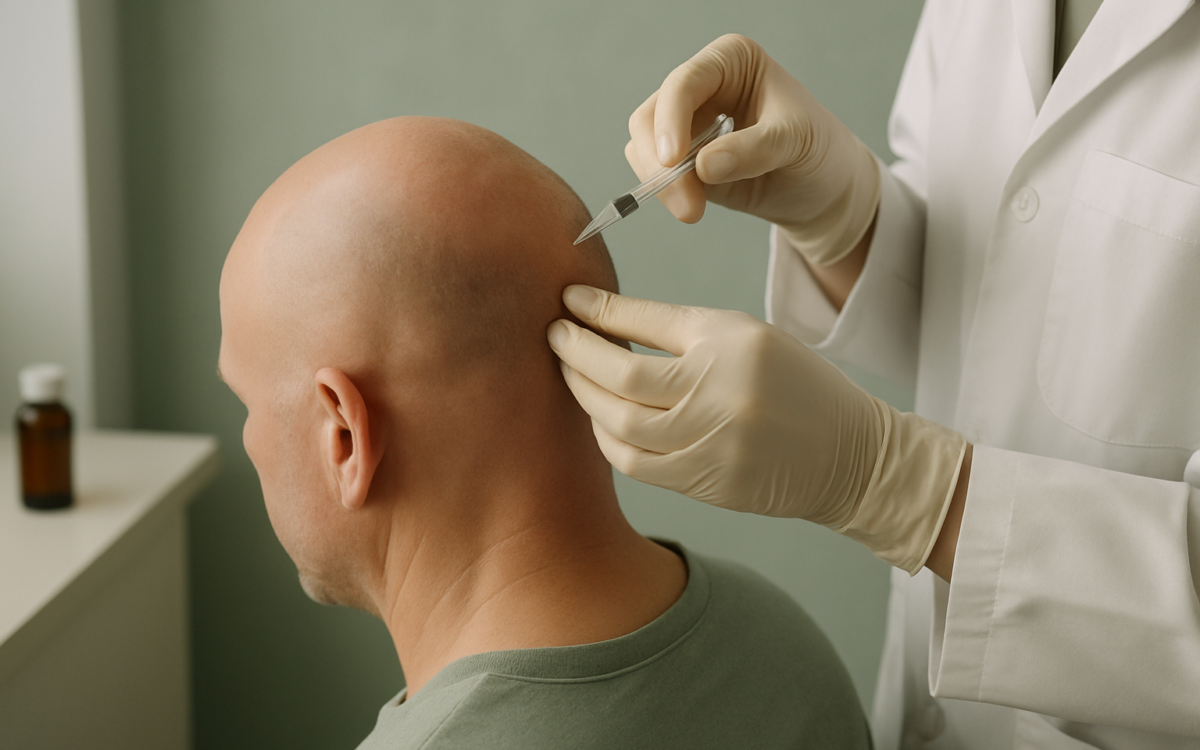
Baldness, often referred to as hair loss, can be a distressing experience for many. Understanding the various treatment options available can help you make informed decisions. Whether you’re experiencing male pattern baldness or other forms of hair loss, it’s essential to explore the appropriate treatment that suits your situation.
Types of Baldness
Baldness can take many forms, but two of the most common types are:
- Male Pattern Baldness (Androgenetic Alopecia): This condition is caused by genetics and hormonal changes, leading to thinning of hair and sometimes complete baldness.
- Alopecia Areata: This autoimmune disease can result in sudden hair loss and is often unpredictable.
Understanding the type of baldness you are dealing with can help guide the treatment options available for you.
Over-the-Counter Treatments
Many people begin their journey with baldness treatment using over-the-counter options.
Minoxidil
Minoxidil, commonly known as Rogaine, is a topical solution used to promote hair regrowth. It can be applied directly to the scalp and works by stimulating hair follicles. Available in liquid or foam form, minoxidil is typically used twice a day for the best results. Studies have shown that it can be effective for both men and women.
Biotin Supplements
Biotin, a B vitamin, is often recommended for hair health. While more research is needed to confirm its effectiveness specifically for baldness, biotin supplements might improve the overall quality of your hair.
Prescription Medications
For those seeking more potent solutions, prescription medications may be the answer.
Finasteride
Finasteride, known as Propecia, is a prescription medication taken orally. It works by inhibiting the production of a hormone, dihydrotestosterone (DHT), that contributes to hair loss. Studies have shown that finasteride can effectively slow hair loss and even promote regrowth in some men.
Hair Restoration Techniques
For more permanent solutions, hair restoration techniques may be explored.
Hair Transplants
Hair transplant surgery involves moving hair follicles from a more dense area of the scalp to the balding area. This procedure can offer a natural-looking result when performed by a qualified professional. It typically requires several sessions, and healing may take time.
Platelet-Rich Plasma (PRP) Therapy
PRP therapy is an innovative treatment that uses your own blood. A small amount is drawn, processed to separate the platelets, and then injected into the scalp. This method aims to stimulate hair growth by using the body’s natural healing properties. While results can vary, some patients report positive outcomes.
Lifestyle Changes that May Help
In addition to medical treatments, certain lifestyle changes could positively impact hair health.
Nutrition
A nutritious diet rich in vitamins and minerals is important for healthy hair. Foods high in proteins, iron, zinc, and vitamins A and C can help support hair growth.
Stress Management
Stress can be a significant contributor to hair loss. Finding ways to manage stress through exercise, meditation, or hobbies may assist in maintaining a healthier mane.
When to See a Doctor
If you’re experiencing significant hair loss, it’s a good idea to consult a healthcare professional. A doctor can help determine the cause of your hair loss and recommend appropriate treatments. Seek medical advice if:
- Your hair loss is sudden or patchy.
- You notice other symptoms such as itchiness or pain.
- It affects your self-esteem or mental health.
Conclusion
The treatment of baldness is a multifaceted issue that varies from person to person. From over-the-counter medications like minoxidil to prescription options like finasteride, as well as surgical techniques, there are numerous paths to explore. Remember, it’s essential to talk to a qualified healthcare provider to discuss the best treatment options for your individual needs. With the right approach, reclaiming your hair is within reach.
