
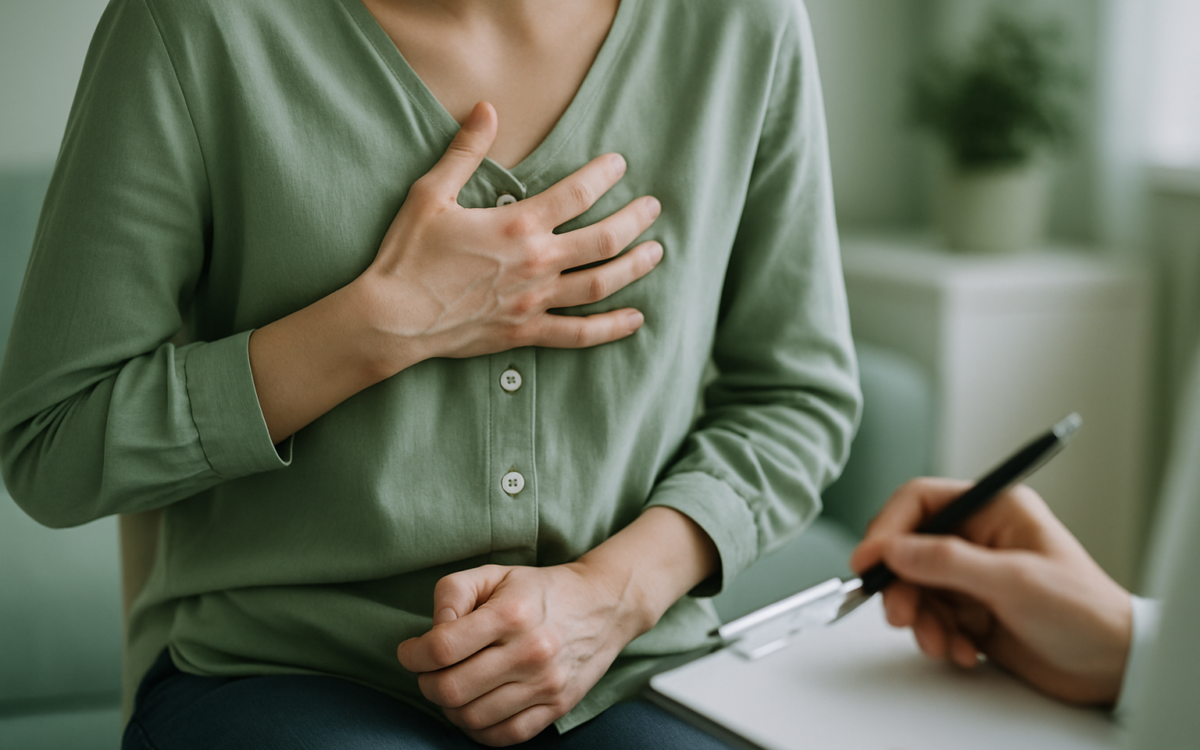
Nervousness is a common feeling that nearly everyone experiences at different times in their lives. Whether it’s before an important presentation, a job interview, or a first date, the butterflies in your stomach can feel overwhelming. However, nervousness isn’t just a state of mind; it can lead to a variety of physical symptoms that can be confusing and even alarming.
Understanding the physical signs of nervousness can help you recognize what you are experiencing. In this article, we will explore the most common physical symptoms of nervousness, how they relate to anxiety, and when it might be necessary to reach out for help.
What is nervousness?
Nervousness is an emotional response that is often categorized under anxiety. It’s that uneasy feeling you get in response to stress or uncertainty. While some nervousness can be beneficial, driving you to prepare for an event, excessive nervousness can be a hindrance, impacting daily life.
When you are nervous, your body goes into a physiological reaction known as the fight-or-flight response. This response is controlled by the autonomic nervous system, which prepares your body to either face or flee from a perceived threat.
Common physical symptoms of nervousness
Nervousness can produce a range of physical symptoms. Here are several of the most common:
- Increased heart rate: One of the first signs of nervousness is a rapid heartbeat. This can feel like your heart is pounding in your chest, and it’s often accompanied by feelings of anxiety.
- Shaking or trembling: You may notice your hands shaking or your legs feeling wobbly. This symptom can be particularly noticeable when you are in a situation that makes you anxious.
- Sweating: Nervousness often leads to sweating, especially in the palms, face, or underarms. This is a natural reaction as your body attempts to regulate its temperature during stress.
- Shortness of breath: Some individuals may experience difficulty breathing or a sensation of tightness in the chest, making it feel like you can’t catch your breath.
- Digestive issues: Nervousness can upset your stomach, leading to symptoms like nausea, cramping, or diarrhea. This happens because your body prioritizes survival, redirecting blood flow away from your digestive system.
- Muscle tension: You might feel a tightness in your muscles, especially around your neck, shoulders, and jaw. This tension is due to your body staying ready for action.
How nervousness is connected to anxiety
While nervousness is a distinct experience, it shares many characteristics with anxiety disorders. Anxiety can be chronically heightened, leading to frequent physical symptoms that can affect daily functioning.
According to the National Institute of Mental Health, about 31.1% of adults experience anxiety disorders at some point in their lives. The persistent nature of anxiety can amplify the physical symptoms commonly associated with nervousness, ruling out short-term feelings of unease.
Coping strategies for nervousness
Managing physical symptoms of nervousness is essential for enhancing your overall quality of life. Here are some strategies you might find helpful:
- Deep breathing: Taking slow, deep breaths can help calm your nervous system and decrease your heart rate. Try inhaling deeply through your nose for a count of four, holding for four, and exhaling slowly through your mouth for a count of four.
- Physical activity: Regular exercise can reduce anxiety and its physical symptoms by releasing endorphins, which improve your mood.
- Mindfulness and meditation: Practicing mindfulness helps you stay present and can alleviate anxious feelings. Consider meditation or yoga as a means to reduce tension and promote relaxation.
- Adequate sleep: Ensure you are getting enough rest. Sleep is crucial for mental and emotional health, and insufficient sleep can exacerbate feelings of nervousness.
- Limit caffeine and sugar: Both substances can heighten feelings of anxiety. Reducing your intake might lessen some physical symptoms associated with nervousness.
When to see a doctor
While nervousness is a normal reaction to stress, it’s important to monitor how often you experience these feelings and how they impact your day-to-day life. Consider consulting a healthcare professional if you experience:
- Physical symptoms that are severe or worsening over time.
- A persistent feeling of nervousness that interferes with your daily activities.
- Symptoms that lead to avoidance of situations where you might feel anxious.
Reaching out for help can provide you with tools to manage your nervousness more effectively and, if necessary, to explore treatment options.
Conclusion
Nervousness is a common experience, and understanding its physical symptoms can help you navigate your feelings more comfortably. By recognizing the signs of nervousness and employing coping strategies, you can lessen its impact on your life. If your nervousness feels overwhelming or persistent, don’t hesitate to reach out to a healthcare provider for support. Remember, seeking assistance is a sign of strength, and there are resources available to help you manage your anxiety effectively.
