
High blood pressure, or hypertension, is often referred to as a silent killer because it can occur without obvious symptoms. It’s a significant risk factor for serious health conditions such as heart disease and stroke. Fortunately, the good news is that there are many effective ways to reduce blood pressure through lifestyle changes. This article explores natural strategies that can help you manage your blood pressure levels.
Understanding Blood Pressure
Blood pressure is measured in millimeters of mercury (mm Hg) and is expressed with two numbers: systolic (the pressure when your heart beats) over diastolic (the pressure when your heart rests between beats). A normal blood pressure reading is usually around 120/80 mm Hg. Readings above this range can indicate elevated blood pressure or hypertension.
1. Maintain a Healthy Diet
Your diet has a significant impact on your blood pressure. To help lower your numbers, consider adopting the Dietary Approaches to Stop Hypertension (DASH) diet, which emphasizes:
- Fruits and vegetables
- Whole grains
- Lean proteins
- Low-fat dairy products
- Nuts and seeds
Reducing salt intake is also crucial. The CDC recommends limiting sodium to less than 2,300 mg per day, and ideally aiming for around 1,500 mg for optimal heart health. Be mindful of processed foods, which often contain high levels of sodium.
2. Stay Active
Regular physical activity strengthens the heart, making it more efficient at pumping blood, which can reduce the pressure in your arteries. Aim for at least 150 minutes of moderate aerobic exercise each week, such as:
- Brisk walking
- Cycling
- Swimming
- Dancing
Additionally, include strength training exercises at least two days a week. Always consult your doctor before starting a new exercise program, especially if you have existing health issues.
3. Manage Stress Levels
Chronic stress can contribute to high blood pressure. Implementing stress-reducing techniques can be beneficial. Consider the following methods:
- Practicing mindfulness or meditation
- Deep breathing exercises
- Engaging in hobbies you love
- Spending time with friends and family
Regular physical activity, as mentioned earlier, can also act as a stress reliever. Finding healthy ways to cope with stress is crucial for both mental and physical well-being.
4. Limit Alcohol and Quit Smoking
Excessive alcohol consumption can raise your blood pressure. If you drink, do so in moderation—up to one drink per day for women and two for men, according to the CDC. On the other hand, if you smoke, quitting is one of the best things you can do for your health. Smoking not only raises blood pressure but also damages blood vessels.
5. Monitor Your Blood Pressure at Home
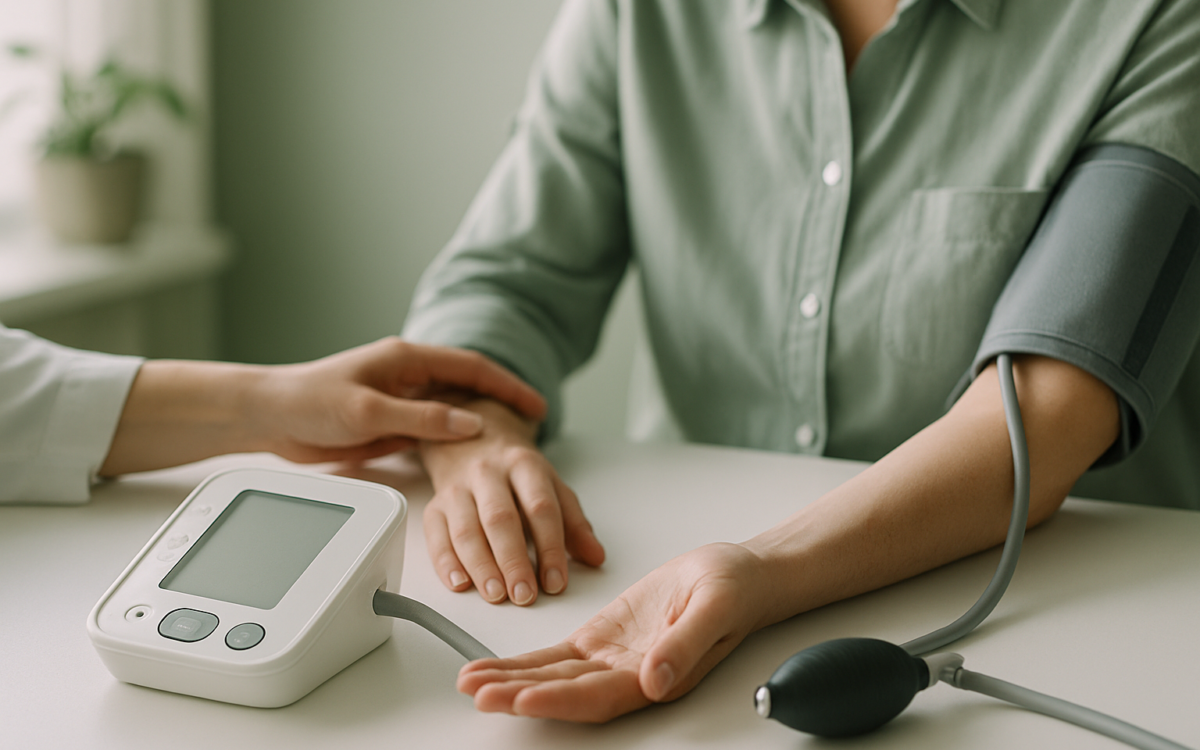
Regular monitoring can help you keep track of your blood pressure and inform you about how your lifestyle changes are working. Home blood pressure monitors are widely available, making it easy to check your levels. Make sure to follow the manufacturer’s instructions for accurate readings. Keeping a log of your measurements can help you identify patterns and share them with your doctor.
When to See a Doctor
If you are experiencing consistently high blood pressure readings (above 130/80 mm Hg), or if you have concerns about your blood pressure, consult your doctor for personalized advice. Conditions like hypertension may require professional medical management alongside lifestyle changes.
Conclusion
Living with high blood pressure doesn’t have to be daunting. By making intentional lifestyle choices such as eating a balanced diet, remaining active, managing stress, and avoiding harmful substances, you can work towards a healthier heart and blood pressure. Always remember to consult your healthcare provider when making significant changes, as they can provide personalized guidance tailored to your specific needs. For more information on blood pressure and related concerns, visit reputable sources like the NIH or WHO.
