
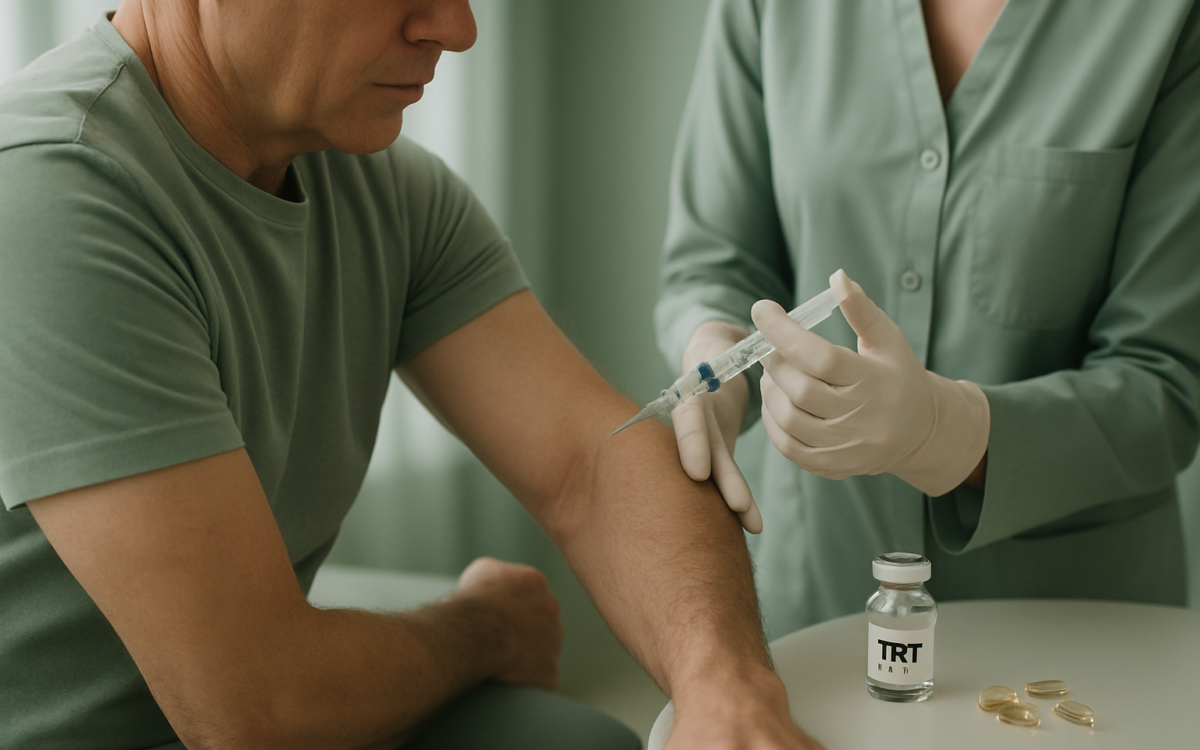
Testosterone replacement therapy (TRT) is a medical treatment designed to address low levels of testosterone in men. As men age, their testosterone levels naturally decline, which can lead to a variety of health issues. Understanding TRT can help men make informed decisions about their health and well-being.
What is TRT Treatment?
TRT treatment involves supplementing the body with testosterone through various methods, including injections, patches, gels, or pellets. The goal of TRT is to restore testosterone levels to a normal range, potentially improving physical energy, mood, and even libido.
Who Might Need TRT?
Men experiencing symptoms of low testosterone, also known as hypogonadism, may benefit from TRT. Symptoms can include:
- Fatigue and decreased energy
- Reduced libido or sexual dysfunction
- Loss of muscle mass and strength
- Increased body fat
- Depression or irritability
If you recognize any of these symptoms, it might be worth discussing them with your healthcare provider. They can conduct blood tests to determine your testosterone levels and assess whether TRT is a suitable option for you.
Potential Benefits of TRT
Many studies have shown that TRT can offer several benefits for men with low testosterone levels:
- Improved Energy Levels: Many men report feeling more energetic and less fatigued after beginning TRT.
- Enhanced Mood: TRT may help improve mood and reduce feelings of depression in some individuals.
- Better Sexual Function: Increased testosterone levels can lead to improved libido and better sexual performance.
- Increased Muscle Mass: Testosterone plays a key role in building muscle, and TRT can help enhance muscle strength and size.
While the benefits sound promising, it’s important to have a conversation with a healthcare provider about your unique health situation.
Risks and Considerations
Like all medical treatments, TRT carries potential risks and side effects. Some of the common risks include:
- Increased risk of blood clots
- Worsening of sleep apnea
- Acne or skin reactions
- Fluid retention
- Potential increase in prostate issues, including cancer
Not every man is a good candidate for TRT. Those with certain medical conditions, such as prostate or breast cancer, or heart disease, may need to be cautious. A thorough discussion with a healthcare provider can help weigh the benefits and risks more accurately.
How is TRT Administered?
TRT can be administered in several forms, including:
1. Injections
Testosterone can be injected into the muscle every few weeks. This method provides quick relief of symptoms but requires regular doctor visits.
2. Gels and Patches
Gels can be applied to the skin daily, allowing testosterone to be absorbed directly into the bloodstream. Transdermal patches serve a similar purpose.
3. Pellets
Testosterone pellets can be implanted under the skin, releasing testosterone over several months. This option typically requires fewer visits to a healthcare provider.
The Importance of Monitoring
If you begin TRT, regular monitoring is essential. Healthcare providers typically perform routine blood tests to measure testosterone levels and check for side effects. This helps ensure that the treatment is effective and safe. Monitoring should include:
- Periodic testosterone level checks
- Regular assessment of red blood cell counts
- Evaluation of prostate health
When to See a Doctor
If you suspect you have low testosterone levels or are experiencing related symptoms, it’s essential to speak with a healthcare professional. They can assess your symptoms, perform necessary tests, and help determine if TRT is appropriate for you.
Red Flag Symptoms
Certain symptoms warrant immediate medical attention. Seek help if you experience:
- Severe or prolonged headaches
- Vision changes or blurriness
- Chest pain
- Swelling in your legs
Conclusion
TRT treatment can be a beneficial option for men struggling with low testosterone levels. While it offers potential improvements in various aspects of health, it is not suitable for everyone. Consultation with a healthcare provider is crucial to assess your individual health needs and determine the best course of action. Understanding your body and maintaining open communication with your doctor can lead to healthier life choices.
