
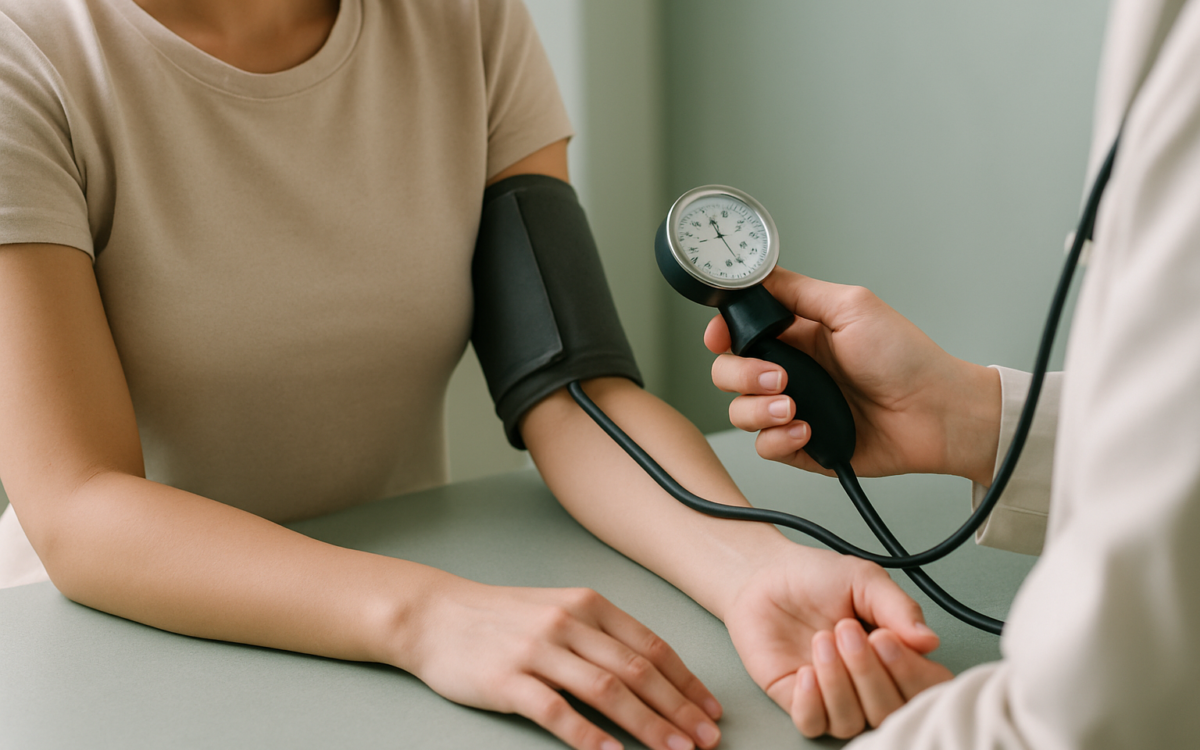
Blood pressure is a vital sign that offers valuable insights into your overall health. For women, understanding what constitutes normal blood pressure is essential, as it influences health risks, lifestyle choices, and preventive care. Let’s delve into what normal blood pressure looks like for women and what factors can influence these readings.
What is Blood Pressure?
Blood pressure measures the force of blood against the walls of your arteries as your heart pumps it around your body. It is recorded with two numbers: systolic pressure (the top number) and diastolic pressure (the bottom number). Systolic pressure measures the force when your heart beats, while diastolic pressure shows the force when your heart is at rest between beats.
Normal Blood Pressure Ranges
According to the American Heart Association, a normal blood pressure reading is generally considered to be below 120/80 mmHg. Here’s how the ranges break down:
- Normal: Less than 120/80 mmHg
- Elevated: 120–129/<80 mmHg
- Hypertension Stage 1: 130–139/80–89 mmHg
- Hypertension Stage 2: 140 or higher/90 or higher mmHg
- Hypertensive Crisis: Higher than 180/higher than 120 mmHg (requires immediate medical attention)
It’s important to note that these readings can vary based on many factors, including age, weight, and overall health.
Factors Influencing Blood Pressure in Women
Several factors can affect blood pressure levels in women:
Age
As women age, their risk for high blood pressure tends to increase. Hormonal changes during menopause can also play a significant role in this shift.
Weight
Excess weight can contribute to higher blood pressure, as the body needs to work harder to pump blood. Maintaining a healthy weight through proper diet and exercise can help manage blood pressure.
Stress and Mental Health
Chronic stress and mental health conditions, such as anxiety and depression, can lead to temporary spikes in blood pressure. Managing stress through techniques like mindfulness, yoga, or therapy can be beneficial.
Medications and Health Conditions
Certain medications, such as hormonal therapies or some antidepressants, may also impact blood pressure. Additionally, conditions like diabetes or kidney disease can significantly influence blood pressure levels.
If you’re considering treatment options and looking for international perspectives, treatment in Turkey is gaining attention for its cutting-edge healthcare services and expertise. Exploring international health options can sometimes offer innovative treatments.
How to Monitor Your Blood Pressure
Regular monitoring is crucial for managing blood pressure effectively:
- Home Monitoring: Using a home blood pressure monitor can help you keep track of your numbers. It’s essential to follow the manufacturer’s instructions for accurate readings.
- Regular Check-Ups: Visiting your primary care physician for regular check-ups is vital. They can provide you with accurate readings and discuss any health concerns.
- Keeping a Diary: Maintaining a blood pressure diary can help identify patterns and changes, making it easier to discuss with your healthcare provider.
Diet and Lifestyle for Healthy Blood Pressure
A healthy lifestyle plays a significant role in managing blood pressure levels:
Diet
A diet rich in fruits, vegetables, whole grains, and lean proteins can support healthy blood pressure. The DASH (Dietary Approaches to Stop Hypertension) diet is highly recommended for those looking to lower their blood pressure.
Exercise
Regular physical activity strengthens your heart and improves circulation, helping to lower blood pressure. Aim for at least 150 minutes of moderate aerobic activity each week.
Avoid Smoking and Limit Alcohol
Smoking raises blood pressure, while excessive alcohol intake can harm your heart health. Quitting smoking and moderating alcohol consumption can significantly benefit your overall health.
When to See a Doctor
If you experience blood pressure readings in the elevated range or higher, it’s essential to consult with your healthcare provider. Regular check-ups can help catch any potential issues early on. Symptoms like severe headaches, vision problems, or shortness of breath may also indicate a need for immediate medical evaluation.
Conclusion
Understanding what constitutes normal blood pressure for women is vital for maintaining health and preventing potential issues. Regular monitoring, a healthy lifestyle, and staying informed can empower women to take control of their cardiovascular health. As always, consult your doctor for personalized advice and recommendations.
