
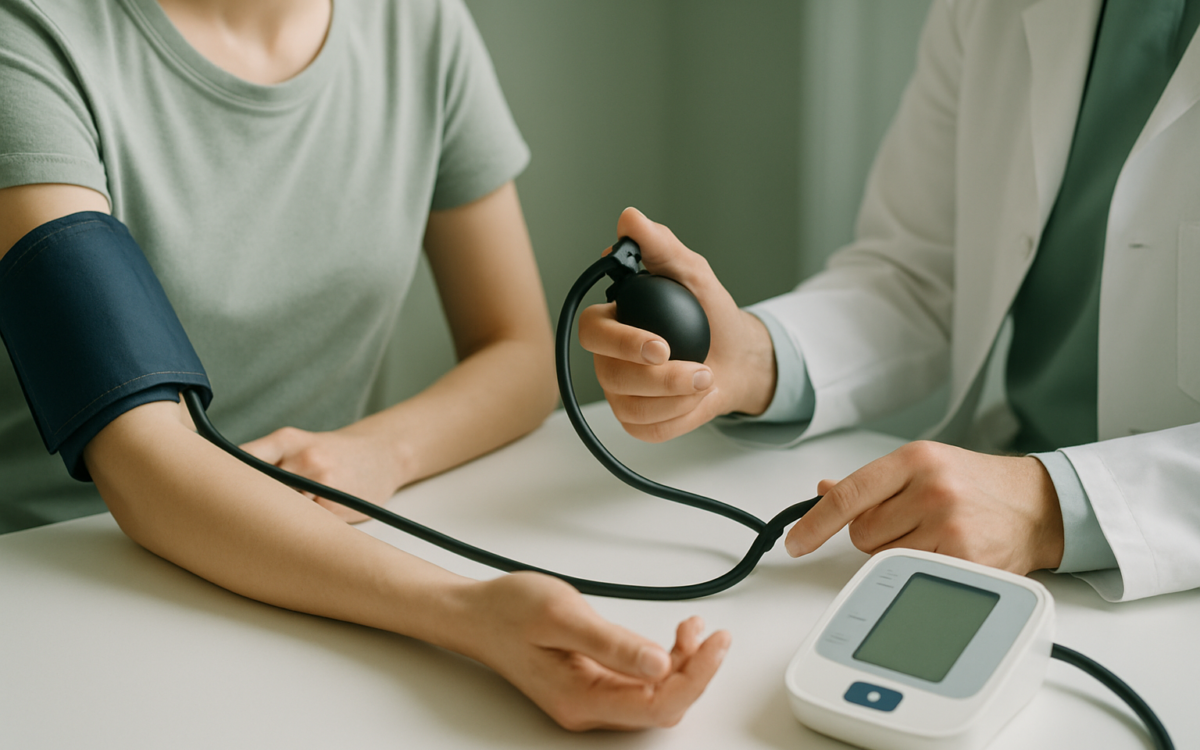
Many people associate high blood pressure, or hypertension, with health risks. But for some, low blood pressure, also known as hypotension, can be a concern. If you find yourself often feeling lightheaded, dizzy, or fatigued, it may be time to consider ways to gently raise your blood pressure. This article will explore practical and natural methods to help increase blood pressure safely and effectively.
Understanding Low Blood Pressure
Low blood pressure is generally defined as a blood pressure reading below 90/60 mmHg. While some people may function well at lower levels, symptoms like dizziness, fainting, and fatigue can negatively affect daily life. Understanding the causes and effects of low blood pressure is vital for determining the best course of action.
Nourish Your Body with the Right Foods
Diet plays a crucial role in regulating blood pressure. Here are some dietary changes that can help:
- Increase salt intake: Sodium can raise blood pressure. Consult your doctor before making any significant changes to your salt intake.
- Stay hydrated: Drinking enough water is essential. Dehydration can lead to lower blood pressure. Aim for at least 8-10 glasses of water a day.
- Eat small, frequent meals: Large meals can lead to drops in blood pressure. Eating smaller meals throughout the day can maintain steadier blood pressure levels.
- Include more supportive nutrients: Foods rich in Vitamin B12 and folate (like eggs, meat, and leafy greens) are important for blood health.
Exercise Regularly
Physical activity can significantly help in managing blood pressure. Regular exercise strengthens the heart, improves circulation, and can enhance blood volume. Types of exercise to consider include:
- Cardiovascular exercises: Activities such as walking, jogging, swimming, or cycling help uplift overall cardiovascular health.
- Strength training: Lifting weights or using resistance bands can help improve muscle mass and circulation.
- Flexibility exercises: Yoga or stretching can also improve blood flow and help reduce stress.
Avoiding Triggers
Identifying and avoiding triggers that may lead to a drop in blood pressure is essential. Common triggers include:
- Prolonged standing: Being on your feet for long periods can lead to lower blood pressure. Shift your weight frequently or take breaks to walk around.
- Hot environments: High heat can cause blood vessels to dilate, potentially lowering blood pressure. Stay cool and hydrated.
- Alcohol consumption: Alcohol can lead to dehydration and low blood pressure, so consume it in moderation.
Stress Management Techniques
Chronic stress can lead to various health issues, including low blood pressure. Finding healthy coping strategies can help stabilize your blood pressure:
- Meditation and mindfulness: Practicing mindfulness can help you feel more grounded and calm, reducing the chances of pressure drops.
- Gentle yoga: Yoga can help promote relaxation and improve blood flow, supporting better blood pressure levels.
- Deep breathing exercises: Engaging in deep, controlled breathing can curb stress and promote overall wellness.
Dress for Success: Compression Garments
Wearing compression stockings or garments can help promote better circulation and reduce the pooling of blood in your legs, which can be beneficial for those with low blood pressure. These garments help maintain blood flow and can support sudden changes in position, like standing up.
When to See a Doctor
If you often experience symptoms of low blood pressure or if lifestyle changes don’t adequately improve your condition, it’s essential to consult a healthcare provider. You should also seek medical advice if you experience severe symptoms like fainting, severe dizziness, or confusion, which may indicate an underlying health issue.
Conclusion
Increasing blood pressure can be a gradual process, and it involves making a variety of lifestyle changes. By eating nourishing foods, exercising regularly, avoiding triggers, managing stress, and using compression garments when needed, you can help support your body in achieving a healthier blood pressure level. Always remember to consult with your doctor before making significant changes to your routine, and listen to your body along the way.
