
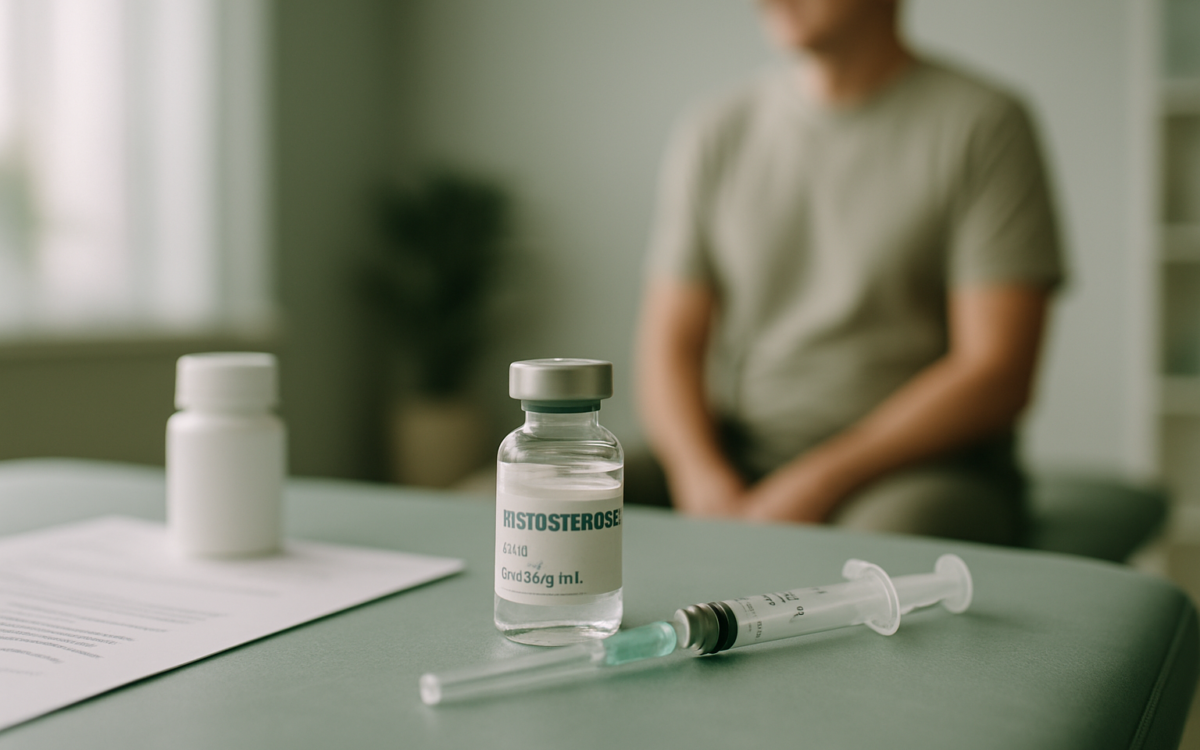
Testosterone treatment has become a popular topic in discussions about men’s health, especially as concerns about low testosterone levels rise. Many men may wonder whether this treatment is right for them. This article aims to provide a clear understanding of what testosterone treatment involves, its potential benefits, and the associated risks.
What is testosterone?
Testosterone is a hormone primarily produced in the testicles in men. It plays a crucial role in developing male physical characteristics such as muscle mass, bone density, and body hair. The hormone is also vital for maintaining libido (sex drive) and fostering overall physical and emotional well-being.
What is low testosterone?
Low testosterone, or hypogonadism, is a condition where the body doesn’t produce enough testosterone. This can happen due to various factors, including age, medical conditions, and certain medications. As men age, testosterone levels typically decline, which can lead to various physical and emotional symptoms.
Symptoms of low testosterone
The symptoms of low testosterone can vary widely among individuals. Some common signs include:
- Fatigue and lack of energy
- Decreased libido
- Reduced muscle mass
- Increased body fat
- Difficulty concentrating or memory issues
- Depression or mood changes
If you experience several of these symptoms, it may be a good idea to have your testosterone levels checked.
What is testosterone treatment?
Testosterone treatment, or testosterone therapy, involves supplementing the hormone to bring levels back to a normal range. It can take various forms, such as injections, patches, gels, or pellets. Each method has different advantages and potential drawbacks.
Forms of testosterone treatment
Some common methods of testosterone treatment include:
- Injections: Typically administered every one to three weeks, injections are a quick way to boost testosterone levels.
- Patches: These are applied to the skin and deliver a steady dose of testosterone throughout the day.
- Gels: Testosterone gels are also applied to the skin, allowing for absorption directly into the bloodstream.
- Pellets: Small pellets are placed under the skin and release testosterone gradually over several months.
Benefits of testosterone treatment
Many men who undergo testosterone treatment report positive changes in their overall health and well-being. Some of the potential benefits include:
- Increased energy levels: Many men experience a boost in energy and vitality.
- Improved mood: Some studies suggest that testosterone therapy can help with symptoms of depression and anxiety.
- Increased libido and sexual function: Testosterone plays a crucial role in libido, and restoring hormone levels can improve sexual health.
- Better muscle strength and mass: Testosterone therapy can help build muscle and reduce body fat, benefiting physical appearance and fitness.
Risks and side effects of testosterone treatment
While testosterone treatment can offer benefits, it is essential to consider the potential risks and side effects. Some men may experience:
- Increased risk of heart disease
- Sleep apnea
- Skin reactions (e.g., acne or irritation)
- Increased red blood cell count
- Changes in cholesterol levels
- Potential infertility
As with any medical treatment, it’s crucial to discuss these risks with your doctor and ensure that testosterone therapy is suitable for your unique health situation.
Who should consider testosterone treatment?
Testosterone treatment may be appropriate for men diagnosed with low testosterone levels who experience symptoms affecting their quality of life. However, it is not recommended for everyone, especially in cases of age-related testosterone decline without significant symptoms. A thorough evaluation by a healthcare provider is essential to determine the need for treatment.
How to get started with testosterone treatment
If you suspect you have low testosterone, the first step is to consult with your healthcare provider. They will likely conduct a physical examination and order blood tests to measure your hormone levels. If your testosterone levels are low and you exhibit related symptoms, your doctor will discuss whether testosterone treatment may be a beneficial option for you.
When to see a doctor
If you are experiencing symptoms that may be related to low testosterone, such as persistent fatigue, decreased libido, or mood changes, it is essential to consult with your doctor. They can help evaluate your symptoms and determine whether further testing or treatment is necessary.
Conclusion
Testosterone treatment offers potential benefits for many men with low testosterone levels, improving energy, mood, and overall quality of life. However, it is essential to weigh these benefits against the potential risks and side effects. A thorough discussion with a healthcare provider will help you make informed decisions regarding testosterone therapy. If you believe you may have low testosterone, consider scheduling an appointment with your doctor to discuss your concerns and explore potential treatment options.
