
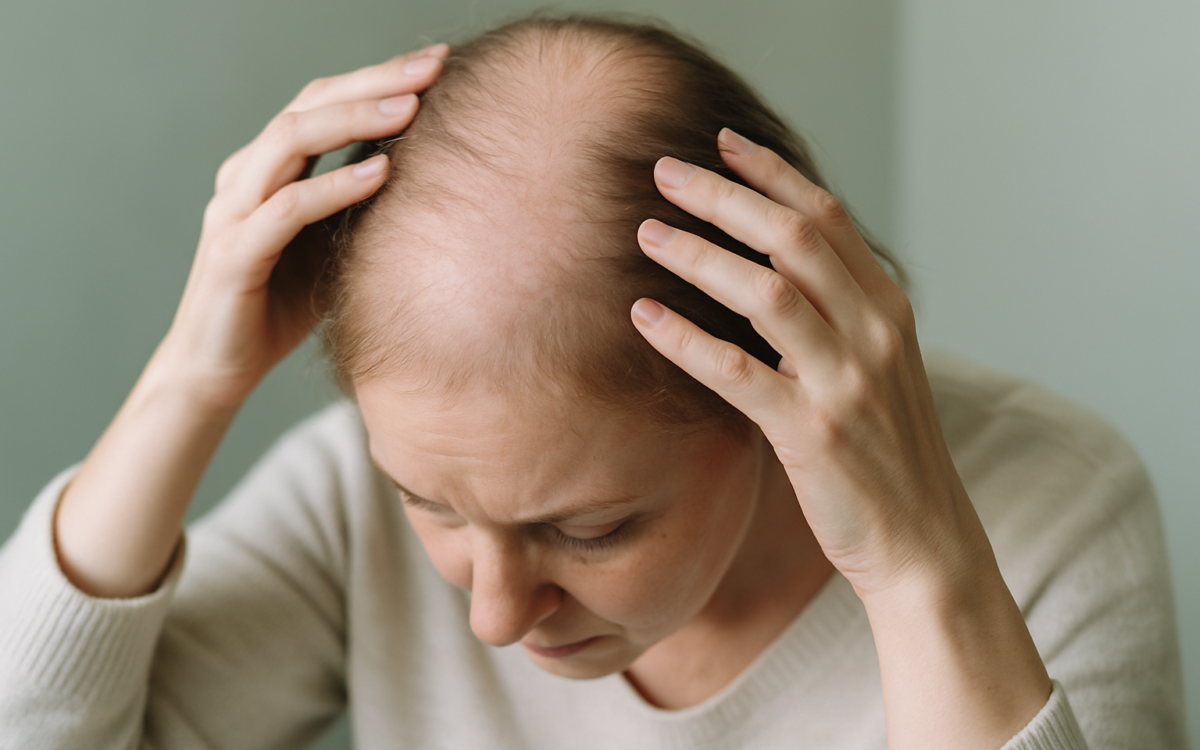
Balding is often thought of as a problem primarily affecting men, but women can also experience hair loss. The reasons for balding in women can vary widely and are often complex. Understanding these causes is crucial for those searching for effective treatments and support. Here, we explore some common causes of balding in women and what can be done about them.
Hormonal Changes
One of the most significant contributors to hair loss in women is hormonal changes. These changes can occur due to several life events, including:
- Menopause: As women age and approach menopause, estrogen levels decline, which can lead to thinning hair.
- Pregnancy: Hormonal fluctuations during and after pregnancy can temporarily change hair growth patterns.
- Polycystic Ovary Syndrome (PCOS): This condition can cause an imbalance in hormones, often leading to hair thinning.
Understanding how hormones affect hair can help women identify potential solutions or treatments. For instance, hormone therapy may be an option for some, but consult a healthcare professional for a tailored approach.
Genetics and Family History
Genetics play a crucial role in hair loss for both men and women. If a woman’s family history includes relatives with hair thinning or baldness, she may be more predisposed to similar issues. This type of hair loss is often termed androgenetic alopecia, known as female-pattern baldness. It typically starts with widening of the part and thinning at the crown of the head. While genetics can’t be changed, knowing this information can help women take proactive steps early on.
Medical Conditions
Various medical conditions can also lead to balding in women. Some common ones include:
- Thyroid Disorders: An overactive or underactive thyroid can lead to hair loss.
- Alopecia Areata: An autoimmune disorder where the body’s immune system attacks hair follicles, leading to sudden hair loss.
- Iron Deficiency Anemia: Low iron levels can lead to hair shedding.
If you suspect a medical condition may be causing your hair loss, it’s essential to consult a healthcare provider for appropriate testing and evaluation.
Stress and Lifestyle Factors
Stress is another significant factor that can lead to hair loss in women. Physical or emotional stress can trigger telogen effluvium, a condition where hair prematurely enters a shedding phase. Major life changes, like the death of a loved one, job loss, or even the stress of a new job, can contribute to noticeable hair thinning.
Moreover, lifestyle choices such as poor nutrition, lack of sleep, and certain hair care practices can also affect hair health. Establishing a balanced diet rich in vitamins and minerals, managing stress through exercise or relaxation techniques, and being gentle with hair can improve overall health.
International Treatments
For women seeking hair restoration solutions, it’s worth exploring treatments available globally. Many countries offer advanced procedures for hair loss, including hair transplants and laser therapy. For those interested, Acibadem International provides insights into various international treatment options, showcasing state-of-the-art facilities and expertise in hair restoration.
Medications
Certain medications can have hair loss as a side effect. Common categories of medications that may lead to balding include:
- Antidepressants: Some medications used to treat depression may contribute to hair thinning.
- Blood Pressure Medications: Certain drugs can have hair loss as a side effect.
- Chemotherapy: Cancer treatments often result in significant hair loss.
If you notice thinning hair after starting a new medication, consult your doctor. They may recommend adjusting the dosage or switching medications to minimize side effects.
When to See a Doctor
It’s essential to consult a healthcare provider if you’re concerned about balding or thinning hair. Consider making an appointment if you experience:
- Sudden or patchy hair loss
- More hair loss than usual when washing or styling
- Hair loss that persists despite home treatments
A healthcare provider can help identify the underlying cause and recommend appropriate treatments.
Conclusion
Balding in women can stem from various causes, including genetics, hormonal changes, medical conditions, lifestyle factors, and medications. Understanding these factors can help women find effective solutions and seek appropriate treatment. If you’re dealing with hair loss, remember that you’re not alone, and there are resources available to help.
