
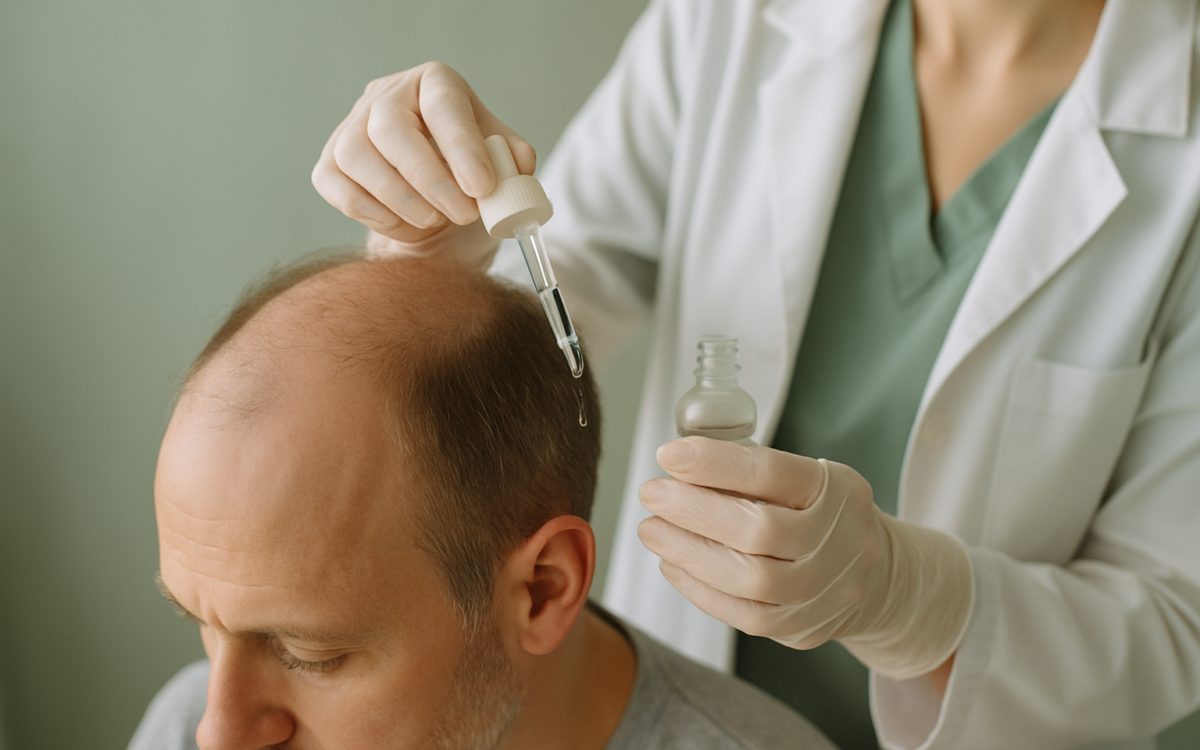
Hair loss is a common concern for many, particularly men, and it can affect self-esteem and confidence. Whether you’re noticing your hairline receding or finding more strands in your brush, exploring balding treatments can provide relief and options. In this article, we will delve into the various treatments available, helping you navigate the choices and find what might work best for you.
Understanding Balding: Causes and Types
Balding, or alopecia, can originate from several factors, including genetics, hormonal changes, medical conditions, and lifestyle. The most common type is androgenetic alopecia, often referred to as male or female pattern baldness, which is linked to genetics and hormones.
Other causes of hair loss can include:
- Stress: Physical or emotional stress can temporarily halt hair growth.
- Medical Conditions: Conditions like thyroid disorders or autoimmune diseases can lead to hair loss.
- Nutritional Deficiencies: Lack of vital nutrients such as iron or protein can affect hair health.
Understanding what’s causing your hair loss is the first step toward finding an appropriate treatment.
Medications for Hair Restoration
For many, medications can help combat balding. The two main FDA-approved treatments for hair loss are minoxidil and finasteride.
Minoxidil
Available over-the-counter, minoxidil is a topical solution that you apply directly to the scalp. It works by stimulating hair follicles and prolonging the growth phase of hair. Studies have shown that about 40% of men experience visible improvement after using minoxidil consistently for several months (NIH/NLM).
Finasteride
This prescription pill works by inhibiting the conversion of testosterone to dihydrotestosterone (DHT), a hormone that contributes to hair loss. Clinical trials suggest finasteride can be effective in promoting hair regrowth and slowing down further hair loss in men. However, some users experience side effects, so consulting a healthcare provider is important before starting this treatment.
Hair Transplant Surgery
For individuals seeking more permanent solutions, hair transplant surgery may be an option. There are two main types of procedures: follicular unit transplantation (FUT) and follicular unit extraction (FUE). During these procedures, hair follicles are extracted from areas of the scalp where hair is still growing, known as the donor site, and transplanted to balding areas.
Hair transplant surgery has been successful for many, often resulting in natural-looking results. However, it is crucial to select a qualified surgeon and understand the potential complications and costs involved.
Natural and Lifestyle Treatments
In addition to medications and surgeries, some individuals explore natural remedies and lifestyle changes to combat hair loss. While evidence on their efficacy may be limited, these methods can contribute to overall scalp health:
- Scalp massage: Increasing blood circulation to the scalp through regular massage may improve hair growth.
- Essential oils: Oils like rosemary and peppermint have been linked to improved hair growth.
- Nutritional support: A balanced diet rich in vitamins and minerals, especially biotin, iron, zinc, and omega-3 fatty acids, can support hair health.
While these options may not produce immediate results like medical treatments, they can be worth exploring as part of a holistic approach to hair health.
Alternative Therapies and Treatments
Some alternative therapies, such as low-level laser therapy (LLLT), have emerged as options for hair growth. LLLT devices, including caps and combs, use lasers to stimulate hair follicles. Preliminary studies indicate that LLLT may improve hair density and thickness, although more comprehensive research is needed for conclusive evidence (Mayo Clinic).
Similarly, platelet-rich plasma (PRP) therapy involves drawing a patient’s blood, processing it to concentrate platelets, and injecting it into the scalp. Some small studies suggest PRP may promote hair growth, but as with any treatment, it’s vital to consult a healthcare professional.
The Importance of Consulting a Healthcare Provider
Before embarking on any treatment, it is essential to consult with a healthcare provider. They can help identify the underlying causes of hair loss and recommend appropriate treatments based on individual needs. Personal factors, such as medical history and preferences, can significantly influence the effectiveness and suitability of various options.
When to See a Doctor
If you experience sudden hair loss, patchy baldness, or other alarming symptoms, it’s important to seek medical advice. A healthcare provider can evaluate your condition and recommend further tests or treatments if necessary. Early intervention may improve outcomes and help manage any underlying health issues contributing to hair loss.
In conclusion, finding a viable balding treatment involves understanding the causes and exploring a range of options, from medications to lifestyle changes. While treatments vary in effectiveness and suitability, a personalized approach is essential for achieving the best results. Remember, the journey to regaining your hair and confidence is often a combination of medical advice, personal care, and patience.
