
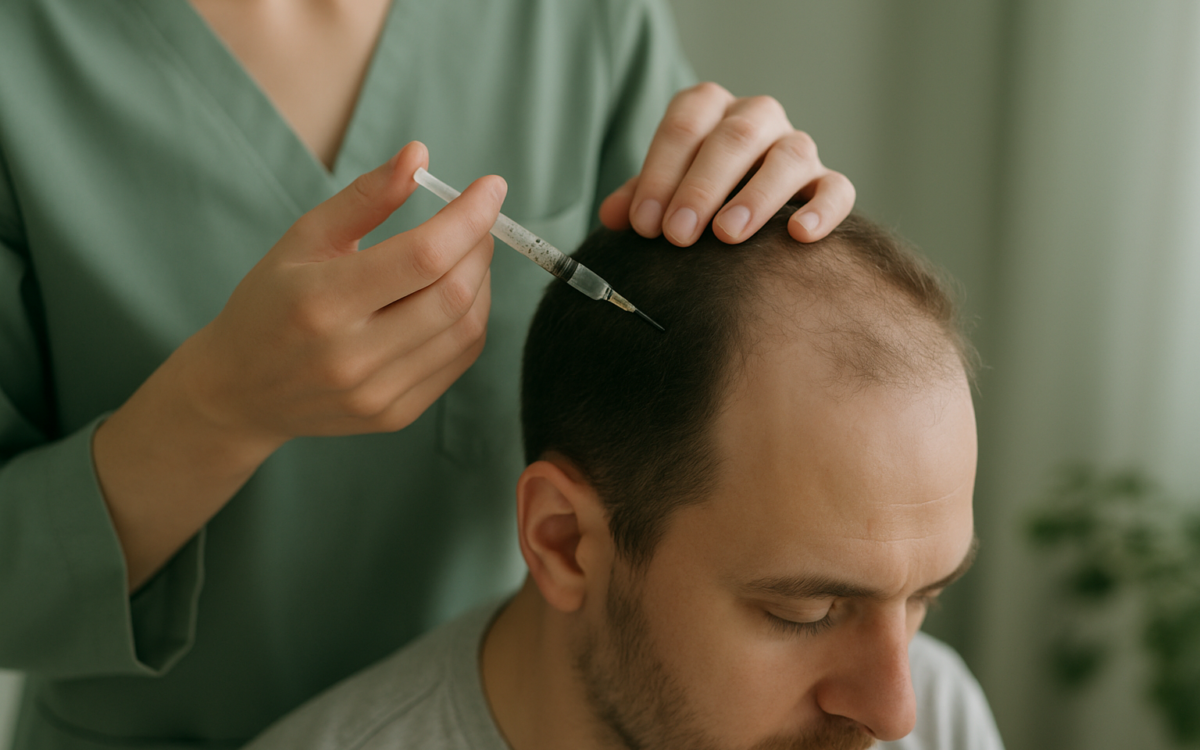
Hair thinning is a common issue among men that can impact self-esteem and confidence. While losing hair might feel overwhelming, understanding the available treatment options can make a significant difference. From lifestyle changes and medications to advanced procedures, there are various ways to tackle this concern. This article will guide you through effective treatments and considerations, helping you find the right approach to combat hair thinning.
Understanding Hair Thinning
Before diving into treatments, it’s essential to understand what causes hair thinning. Male pattern baldness, also known as androgenetic alopecia, is the most common cause. It is often hereditary and can begin as early as the late teens or early twenties. Other factors contributing to hair loss include hormonal changes, stress, medical conditions, and certain medications.
Medications for Hair Thinning
Several medications are FDA-approved for treating hair thinning, and they work by different mechanisms:
- Minoxidil: Available over the counter, minoxidil is a topical solution that you apply to the scalp. It works by promoting blood flow to hair follicles and can help stimulate growth.
- Finasteride: This prescription medication reduces the levels of a hormone responsible for hair loss. It is taken orally and may be effective in slowing down hair loss and promoting regrowth.
Both medications have shown promising results, but they may not be suitable for everyone. It’s important to discuss these options with your doctor to see if they’re right for you.
Lifestyle Changes to Support Hair Health
Along with medications, adopting healthy lifestyle habits can support hair health. Here are a few changes you might consider:
- Nutrition: A balanced diet rich in vitamins and minerals is crucial for healthy hair. Include foods high in iron, zinc, and vitamins A, C, D, and E.
- Stress Management: Chronic stress can contribute to hair thinning. Engaging in relaxation techniques such as yoga, meditation, or deep breathing can be beneficial.
- Avoiding Harsh Treatments: Minimize the use of harsh hair products or heat styling, which can damage hair and lead to thinning.
Incorporating these healthy changes not only benefits hair but enhances overall well-being.
Surgical Options and Advanced Treatments
If medications and lifestyle changes don’t provide the desired results, surgical options may be worth exploring:
- Hair Transplant: This procedure involves moving hair follicles from denser areas of the scalp to thinning areas. It’s a more permanent solution, though it can be costly and may require recovery time.
- Scalp Micropigmentation: This non-invasive treatment involves tattooing tiny dots on the scalp to mimic the look of hair follicles. It can provide an illusion of thicker hair.
It’s best to consult a specialist when considering these kinds of treatments. For men seeking options internationally, sites like acibademinternational.com provide information about clinics that offer advanced hair restoration techniques.
Alternative and Natural Remedies
Some men explore alternative treatments to promote hair growth. Though research is limited, a few popular remedies include:
- Essential Oils: Oils like rosemary and peppermint have anecdotal support for stimulating hair growth.
- Biotin Supplements: Biotin is a B vitamin thought to help strengthen hair and promote growth.
- Castor Oil: Often used in folk remedies, some people find that applying castor oil to their scalp helps with hair thickness.
Before trying any alternative treatments, it’s wise to consult your doctor, especially if you’re already on medication.
When to See a Doctor
It’s essential to see a healthcare provider if you notice unusual hair thinning. Early intervention can often lead to better outcomes, and a doctor can help identify any underlying conditions contributing to hair loss. They can discuss treatment options tailored to your needs and monitor your progress.
Conclusion
Hair thinning can be a challenging experience for many men, but understanding the treatment options available offers hope. From medications and lifestyle changes to surgical procedures, there are paths to regaining hair and confidence. Always consult your healthcare provider before starting any treatment regimen to find the most suitable approach for your unique circumstances.
