
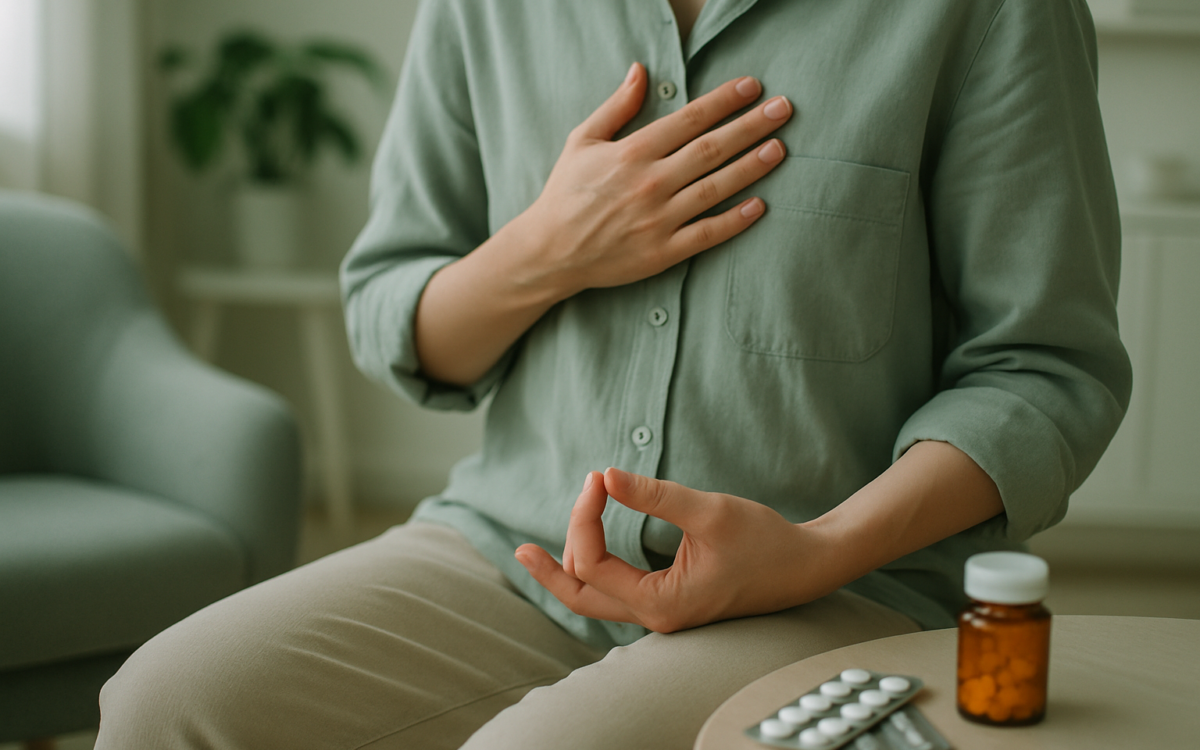
Anxiety can feel overwhelming and isolating. Many people experience it at some point in their lives, but the good news is that there are effective strategies to help manage and even stop anxiety. Understanding what anxiety is and employing a few simple techniques can significantly improve your mental well-being.
Recognizing Anxiety
Before diving into how to stop anxiety, it’s essential to recognize what it is. Anxiety is a normal human emotion, characterized by feelings of worry, fear, or apprehension about future events. It can manifest through physical symptoms such as a racing heart, sweating, or even dizziness. While occasional anxiety can be harmless, chronic anxiety can hinder daily life and well-being.
Effective Breathing Techniques
One of the quickest ways to alleviate feelings of anxiety is through controlled breathing. Here are a couple of techniques you can try:
- Deep Breathing: Sit or lie down comfortably. Breathe in slowly through your nose, allowing your chest and belly to rise. Hold your breath for a moment, then exhale slowly through your mouth. Repeat this for several minutes.
- 4-7-8 Method: Inhale for four seconds, hold your breath for seven seconds, and exhale for eight seconds. This technique can help lower stress and induce calm.
Mindfulness and Meditation
Practicing mindfulness and meditation can significantly improve your ability to manage anxiety. Mindfulness is the act of being present and fully engaged in the current moment. This can include:
- Mindful Observation: Take a few moments to observe your surroundings. Notice the colors, textures, and sounds. This can help distract you from anxious thoughts.
- Guided Meditation: Consider using apps or online resources for guided meditation sessions. These can provide structure and make it easier to follow.
Research has shown that mindfulness practices can reduce anxiety levels and improve mental health. [A study](https://www.ncbi.nlm.nih.gov/) published in the Journal of Anxiety Disorders revealed that meditation can positively impact emotional regulation.
Regular Physical Activity
Exercise is not only good for your body but also for your mind. Engaging in regular physical activity can release endorphins, hormones that improve mood and reduce stress. Here are a few ways to incorporate exercise into your routine:
- Walking: Even a brisk 20-minute walk can help clear your mind and reduce feelings of anxiety.
- Yoga: Practicing yoga can enhance your ability to focus and improve your mood through its combination of movement and mindfulness.
- Strength Training: Lifting weights can also be an effective way to reduce anxiety symptoms.
According to the [Mayo Clinic](https://www.mayoclinic.org/), regular exercise can increase self-confidence and improve your sleep patterns, both of which can mitigate anxiety.
Healthy Lifestyle Choices
Making intentional lifestyle choices can create a solid foundation for mental well-being. Here are a few changes you might consider:
- Balanced Diet: Eating a balanced diet rich in fruits, vegetables, and whole grains can have a direct impact on your mental health.
- Adequate Sleep: Aim for 7-9 hours of quality sleep per night. Lack of sleep can worsen anxiety symptoms.
- Avoiding Stimulants: Reducing or eliminating caffeine and nicotine can lead to steadier mood levels. These substances can exacerbate anxiety.
Building a Support Network
Connecting with others can lessen the feelings of isolation that often accompany anxiety. Here are some ways to build your support network:
- Talking to Friends and Family: Share your feelings with someone you trust. Sometimes, just having someone listen can provide great relief.
- Joining Support Groups: Incorporating group support can prove invaluable. Online communities or local support groups can help you connect with others who experience similar challenges.
- Professional Help: Sometimes, speaking with a mental health professional can provide the support and guidance you need to cope with anxiety effectively.
When to See a Doctor
If you find that anxiety is interfering with your daily life, relationships, or ability to function, it may be time to consult a healthcare professional. Persistent feelings of dread, panic attacks, or anxiety that doesn’t seem to improve with self-help strategies warrant further evaluation. Remember, reaching out for help is a sign of strength, not weakness.
Comprehensive resources are also available through organizations like the [World Health Organization](https://www.who.int), which provides information on mental health issues, including anxiety.
Conclusion
Managing anxiety is a journey that involves understanding your emotions, practicing self-care, and building a support system. By incorporating these strategies into your life, you can work towards reducing anxiety and enhancing your overall well-being. Remember, you don’t have to face anxiety alone, and help is always available.
