
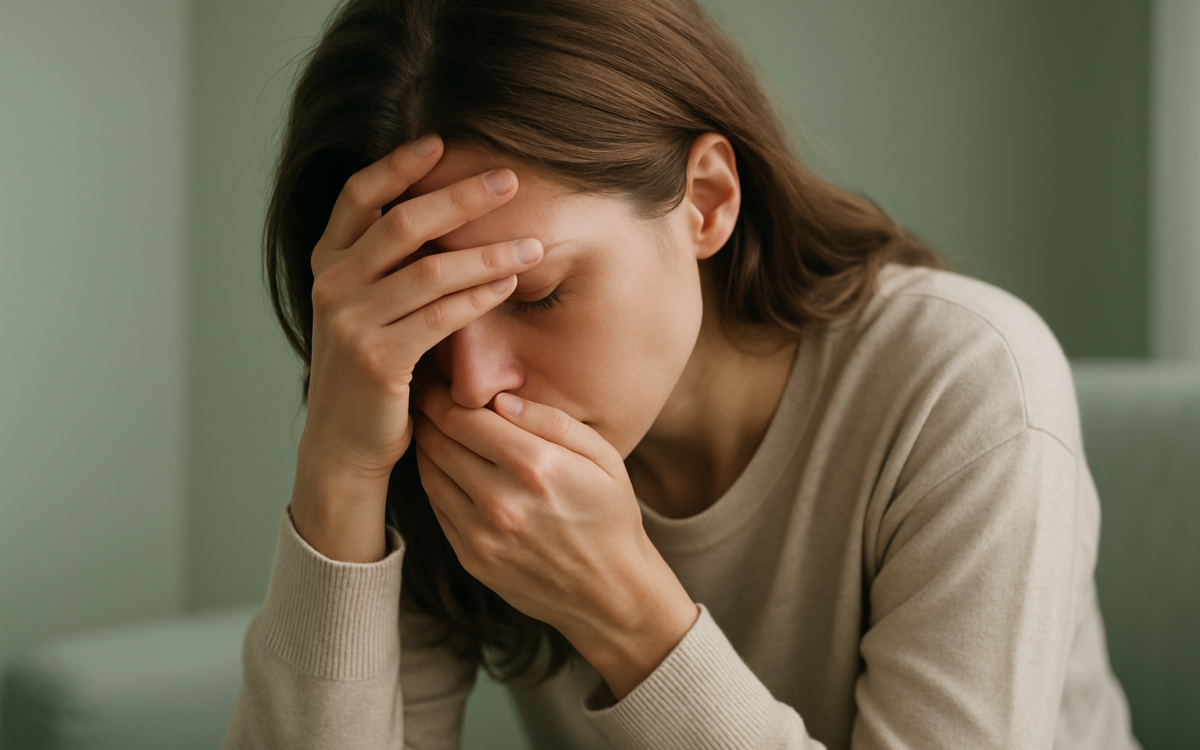
Panic attacks can be both frightening and confusing, especially for women who may experience them differently than men. Understanding the symptoms, causes, and ways to cope with panic attacks can help women regain control over their mental well-being. If you or someone you know struggles with panic attacks, it’s important to identify the signs and seek appropriate help.
What Are Panic Attacks?
Panic attacks are sudden episodes of intense fear or discomfort that reach a peak within minutes. They can occur unexpectedly or in response to specific triggers. Common features of a panic attack include rapid heart rate, shortness of breath, trembling, and feelings of impending doom. For many women, these unexpected occurrences can lead to a cycle of fear and anxiety about experiencing future attacks.
Common Symptoms Experienced by Women
Women may experience a variety of symptoms during a panic attack. Although symptoms can vary, the following are among the most common:
- Physical Symptoms:
- Heart palpitations or racing heart
- Shortness of breath or a feeling of choking
- Sweating or chills
- Trembling or shaking
- Chest pain or discomfort
- Nausea or abdominal distress
- Emotional Symptoms:
- Feelings of unreality or detachment from oneself
- Fear of losing control or going crazy
- Fear of dying
- Overwhelming feelings of anxiety
Research shows that women may be more likely than men to have certain types of panic attacks and to experience them as symptoms of anxiety disorders. For instance, hormonal fluctuations related to the menstrual cycle can influence anxiety and the likelihood of experiencing panic attacks.
Causes and Triggers of Panic Attacks
While the exact cause of panic attacks is not fully understood, various factors contribute to their occurrence. These can include:
- Genetic Factors: A family history of anxiety disorders can increase a woman’s risk of experiencing panic attacks.
- Environmental Stressors: Major life changes, stressful events, or trauma can act as triggers. For example, pregnancy, childbirth, or loss can affect mental health dramatically.
- Biological Changes: Fluctuations in hormones, particularly around menstruation and menopause, have been linked to increased anxiety and panic attacks.
- Medical Conditions: Certain health issues, such as thyroid problems or heart conditions, may exacerbate panic attack symptoms.
- Substance Use: Alcohol and drug use, particularly withdrawal symptoms, can trigger panic attacks.
Coping Strategies for Women
There are several coping strategies that women can use to manage panic attacks. Here are some effective approaches:
- Deep Breathing: Practicing deep breathing techniques can help calm the mind and body during a panic attack. Inhale deeply through the nose, hold for a few seconds, and then exhale slowly through the mouth.
- Grounding Techniques: Focus on your immediate surroundings by using your senses. Identify five things you can see, four things you can touch, three things you can hear, two things you can smell, and one thing you can taste.
- Regular Exercise: Physical activity helps reduce overall anxiety and can lessen the frequency and intensity of panic attacks.
- Mindfulness and Meditation: Engaging in mindfulness practices can help manage anxiety and improve emotional regulation. Consider apps or classes that promote mindfulness.
- Seeking Support: Talking to friends, family, or therapists can provide emotional support. In some cases, considering international treatment options, such as treatment in Turkey, can offer specialized care.
Why Timing Matters: Understanding When to Seek Help
Recognizing when to seek professional help is crucial for managing panic attacks successfully. It’s important to consult a doctor if:
- Panic attacks are frequent and disruptive to daily life.
- You avoid places or situations where panic attacks have occurred previously.
- Physical health problems have developed, such as increased heart rate or persistent discomfort.
- The attacks lead to other emotional issues, such as depression or severe anxiety.
When to See a Doctor
If you experience panic attack symptoms, it is crucial to consult a healthcare professional. They can help determine whether these attacks are part of a broader anxiety disorder that requires treatment. Early intervention can lead to more effective management strategies and better long-term outcomes. Options may include therapy, medication, or lifestyle changes.
Conclusion
Panic attack symptoms can be distressing and overwhelming, but awareness and understanding can empower women to navigate their experiences more effectively. By recognizing the signs and knowing when to seek help, individuals can take charge of their mental health journey. It’s essential to consult with healthcare providers to develop a personalized approach to managing anxiety and panic attacks.
