
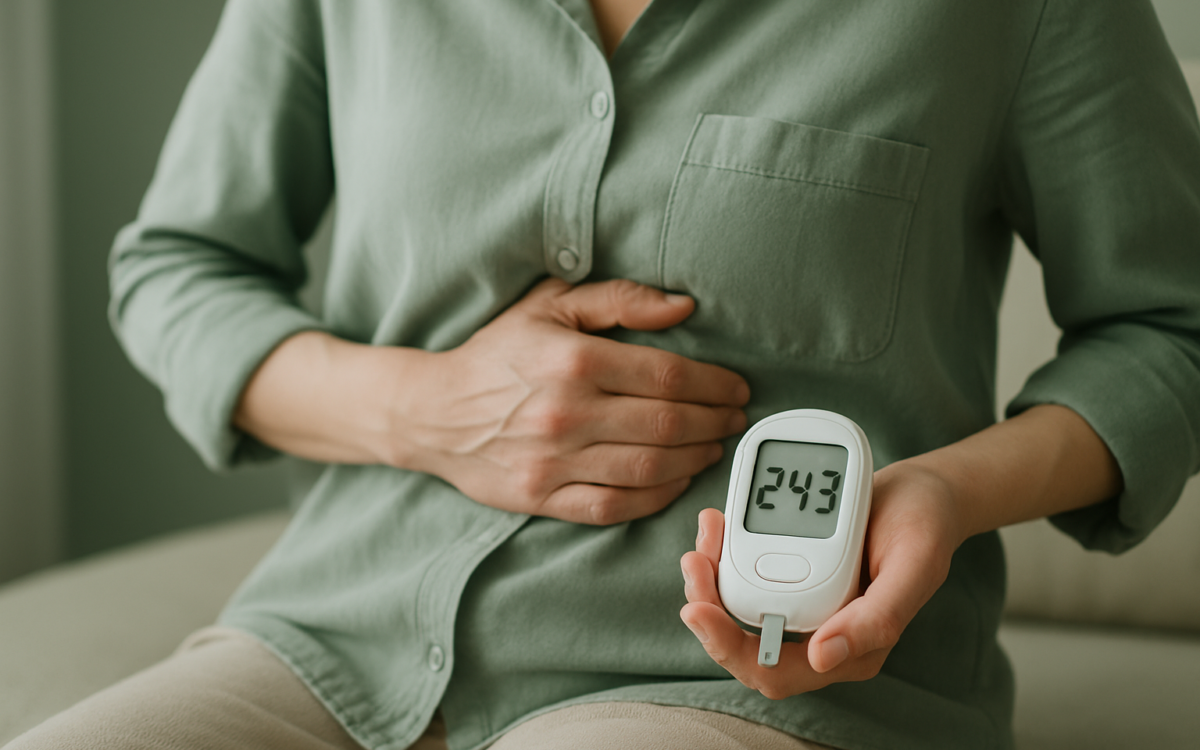
Hyperglycemia, or high blood sugar, can be a concerning condition for those with diabetes or other health issues. It occurs when your body doesn’t have enough insulin or when it cannot use insulin effectively. Recognizing the symptoms early can prevent more serious complications. Understanding what causes hyperglycemia and how to manage it can help you maintain a healthy lifestyle.
What Is Hyperglycemia?
Hyperglycemia is defined by elevated levels of glucose in the bloodstream. Normal blood sugar levels typically range between 70 to 130 mg/dL before meals and less than 180 mg/dL two hours after eating. When levels rise above these numbers, particularly consistently, it may indicate hyperglycemia. This condition is especially common in individuals with diabetes, but it can occur in anyone under certain circumstances.
Common Symptoms of Hyperglycemia
Recognizing hyperglycemia symptoms is crucial for timely intervention. Here are some common signs:
- Frequent urination: High blood sugar levels lead your kidneys to excrete excess glucose, pulling water with it.
- Increased thirst: As your body loses water, you may feel dehydrated and crave fluids.
- Fatigue: With glucose unable to enter your cells, your body lacks energy, making you feel tired.
- Blurred vision: Elevated blood sugar can cause the lenses in your eyes to swell, affecting your ability to focus.
- Headaches: Fluctuations in blood sugar can contribute to headaches.
- Dry mouth or skin: Dehydration as a result of increased urination can lead to dryness.
- Slow-healing wounds: High glucose levels can impair your body’s healing processes.
Causes of Hyperglycemia
There are various reasons someone might experience hyperglycemia. Understanding these can aid in prevention:
- Diabetes: The most common cause; either type 1 or type 2 diabetes affects insulin production and usage.
- Illness or infection: Your body can react by releasing hormones that elevate blood sugar levels.
- Certain medications: Some medications, particularly corticosteroids, can raise blood sugar.
- Diet: Consuming too many carbohydrates or sugary foods can result in spikes.
- Lack of exercise: Physical activity helps lower blood sugar, so inactivity can contribute to high levels.
Managing Hyperglycemia
Managing high blood sugar often requires a combination of lifestyle modifications, medication, and regular monitoring. Here are some strategies that can help:
- Regular monitoring: Keep track of your blood sugar levels to identify patterns and triggers.
- Healthy eating: Focus on balanced meals that are high in fiber and low in sugar. A dietitian can help tailor a meal plan suitable for you.
- Regular exercise: Aim for at least 150 minutes of moderate activity each week, such as walking or cycling.
- Medication: Some may require insulin or other medications to manage their blood sugar levels effectively.
- Education: Understanding your condition helps you manage it better. Consider patient education resources or support groups.
- International treatment options: If you’re finding management challenging, seeking comprehensive treatment in Turkey may provide access to specialized care that could be beneficial.
Potential Complications of Untreated Hyperglycemia
If hyperglycemia is left untreated, it can lead to serious complications:
- Dawn phenomenon: A condition where blood sugar levels rise in the early morning, resulting in complications if not addressed.
- Diabetic ketoacidosis (DKA): This life-threatening condition involves the buildup of acids called ketones in the blood.
- Long-term complications: Chronic hyperglycemia can lead to damage to blood vessels, increasing the risk of heart disease, stroke, kidney disease, and nerve damage.
When to See a Doctor
If you experience persistent symptoms of hyperglycemia or if your blood sugar consistently exceeds recommended levels, it’s essential to consult a healthcare professional. Additionally, seek immediate medical attention if you notice any symptoms indicating a more severe condition, such as extreme thirst, frequent urination, nausea, or confusion. These could signal a dangerous rise in blood sugar, requiring urgent treatment.
Conclusion
Recognizing hyperglycemia symptoms and understanding its causes is vital for managing your health effectively. With the right approach to monitoring and lifestyle changes, you can take control of your blood sugar levels and minimize the risk of complications. As always, consult with your healthcare provider to ensure the best strategies for managing your health.
