
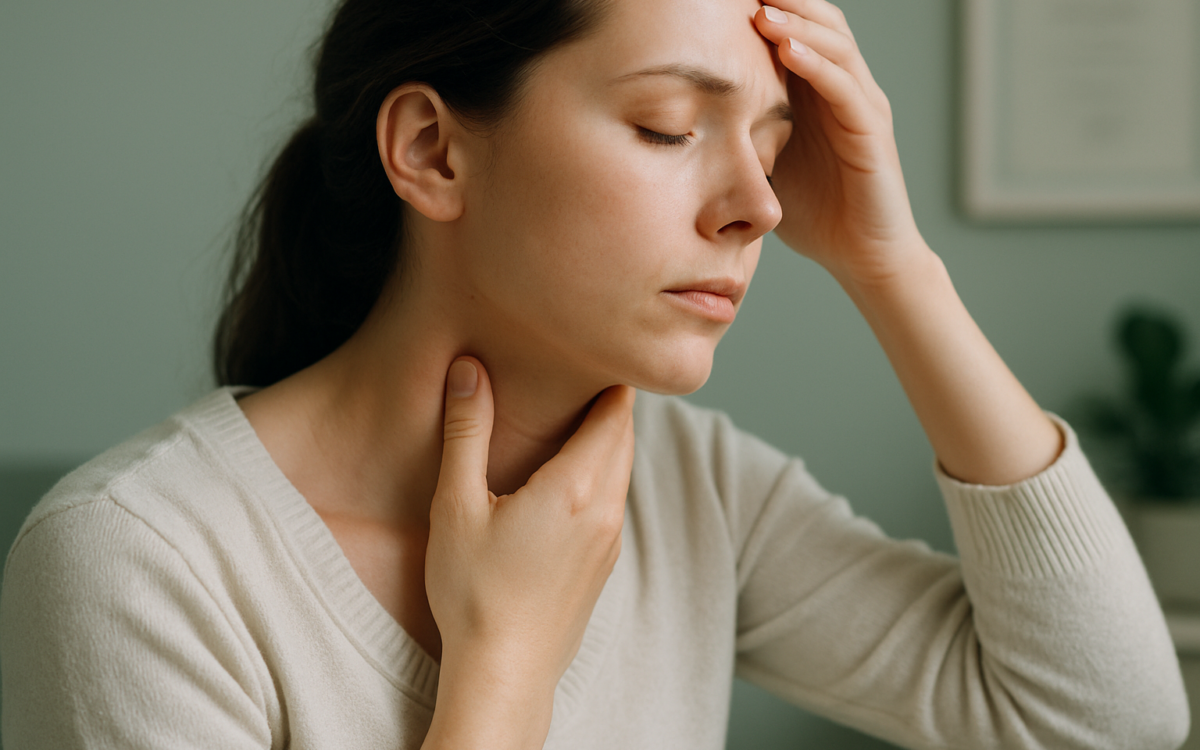
Graves’ disease is an autoimmune disorder that primarily affects the thyroid gland, leading to overproduction of thyroid hormones. This condition often impacts women more than men, with a ratio of about 5:1. Understanding the symptoms of Graves’ disease is essential for early diagnosis and treatment, particularly in females who may experience unique manifestations of this disorder.
What is Graves’ Disease?
Graves’ disease occurs when the immune system mistakenly attacks the thyroid gland, causing it to release excess hormones. This condition results in hyperthyroidism, which can lead to a range of symptoms affecting various body systems. The exact cause of Graves’ disease is not fully understood, but genetic and environmental factors may play a role.
Physical Symptoms of Graves’ Disease
Women diagnosed with Graves’ disease commonly experience a variety of physical symptoms. Some of the most significant include:
- Rapid Heart Rate: Many women notice an increase in heart rate, even at rest, which can feel alarming.
- Weight Loss: Despite maintaining a regular diet, individuals may find it hard to gain weight, leading to unintentional weight loss.
- Heat Intolerance: A heightened sensitivity to heat often develops, making women feel excessively warm in situations where others are comfortable.
- Increased Sweating: Many experience increased perspiration, which can be bothersome and socially uncomfortable.
- Fatigue: A constant feeling of tiredness or fatigue is common, even with adequate rest.
- Menstrual Irregularities: Some women may experience changes in their menstrual cycle, including lighter, heavier, or more frequent periods.
Emotional and Psychological Effects
The symptoms of Graves’ disease do not only manifest physically; they can also profoundly influence emotional and mental health. Women with this condition might experience:
- Anxiety: Increased levels of anxiety or nervousness are prevalent in many women dealing with Graves’ disease.
- Irritability: Mood swings or irritability can occur, sometimes feeling overwhelming.
- Difficulty Concentrating: Some may have trouble focusing or experience a foggy mindset.
- Sleep Disturbances: Trouble sleeping can be common due to a racing mind or increased heart rate at night.
Eye-Related Symptoms
One particularly noteworthy aspect of Graves’ disease is its potential impact on the eyes, known as Graves’ ophthalmopathy or thyroid eye disease. Symptoms can include:
- Bulging Eyes (Protrusion): Many women notice that their eyes appear to bulge, which can be distressing.
- Dry or Gritty Sensation: Women may complain of a persistent dry feeling or a sensation of grittiness in their eyes.
- Vision Problems: In some cases, vision may become blurry or double, requiring medical intervention.
- Light Sensitivity: Increased sensitivity to light can make daily activities challenging.
Impact on Overall Health
Graves’ disease can impact overall health significantly. In addition to the specific symptoms, the chronic stress of managing this condition can lead to other health issues, including:
- Heart Issues: Prolonged hyperthyroidism can strain the heart, leading to complications like arrhythmias.
- Reduced Bone Density: Hyperthyroidism can affect calcium absorption, increasing the risk of osteoporosis.
- Thyroid Storm: In rare cases, untreated Graves’ disease can lead to a life-threatening situation called a thyroid storm, characterized by extreme symptoms that require immediate medical attention.
Diagnosis and Treatment Options
If you suspect you are experiencing symptoms of Graves’ disease, it is crucial to speak with a healthcare professional. Diagnosis may involve:
- Blood Tests: Tests measuring thyroid hormone levels (TSH, T3, T4) help confirm hyperthyroidism.
- Radioactive Iodine Uptake Test: This test assesses how well the thyroid gland is functioning.
- Thyroid Scan: Imaging may be used to view the thyroid’s structure and confirm diagnosis.
Treatment options can vary based on symptoms and include:
- Medications: Antithyroid medications, such as methimazole, may be prescribed to help control hormone production.
- Radioactive Iodine Therapy: This treatment helps to shrink the thyroid gland effectively.
- Surgery: In severe cases, partial or complete removal of the thyroid gland may be necessary.
When to See a Doctor
If you notice any of the symptoms mentioned above, it’s important to consult a healthcare professional. Early diagnosis and treatment can help manage symptoms and prevent complications. Pay particular attention to any rapid changes in your health, unusual emotional shifts, or persistent physical problems.
Keep in mind that each person’s experience with Graves’ disease can be different. If you’re diagnosed or suspect you might be at risk, working closely with a healthcare provider can lead to better management of this condition.
Conclusion
Graves’ disease presents a unique set of challenges, particularly for women. From physical symptoms to emotional effects, understanding this condition can empower you to seek the help you need. Awareness and vigilance in recognizing potential symptoms are essential steps toward effective management. Always consult with a healthcare professional for personalized advice and treatment options.
