
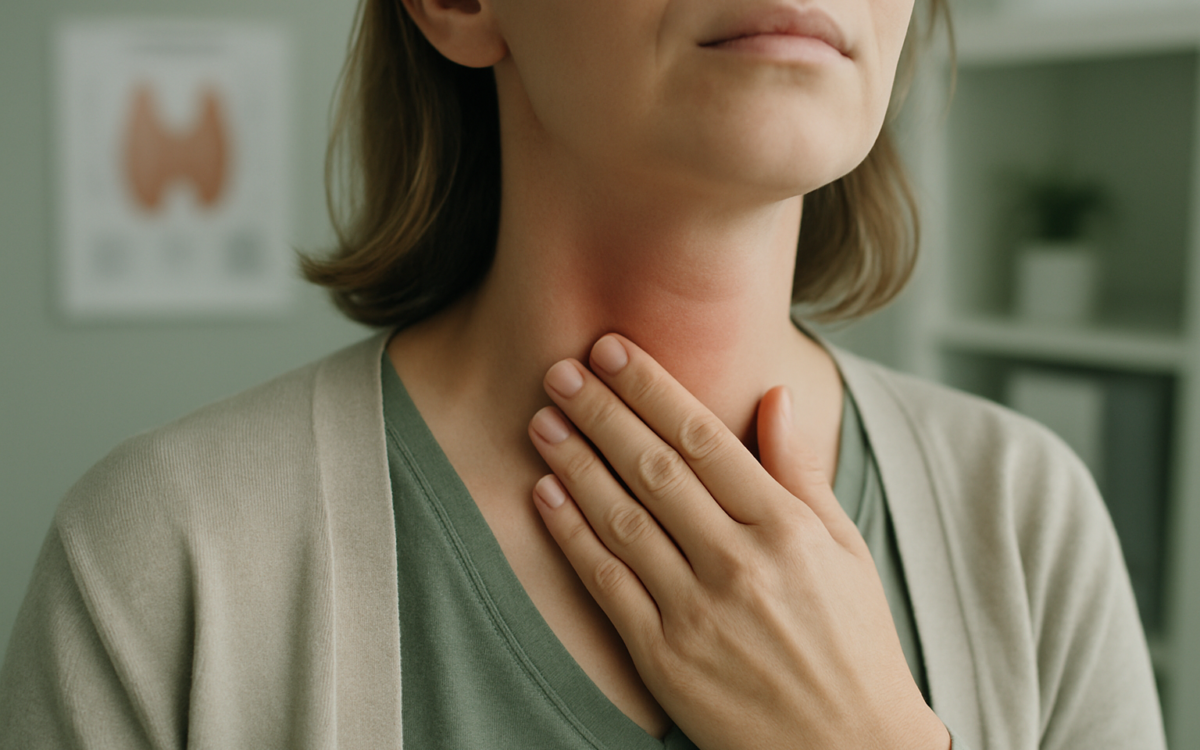
Hashimoto’s disease is a common autoimmune disorder where the immune system attacks the thyroid gland. This can lead to various symptoms, often affecting your energy levels, weight, and overall health. If you suspect you have Hashimoto’s, it’s crucial to understand the signs and when to seek help.
What is Hashimoto’s Disease?
Hashimoto’s disease, also known as Hashimoto’s thyroiditis, is one of the leading causes of hypothyroidism in the United States. The thyroid is a small gland located at the base of the neck, and it plays a vital role in regulating many bodily functions through hormone production. In Hashimoto’s disease, the immune system mistakenly attacks the thyroid, resulting in inflammation and often leading to an underactive thyroid.
Common Symptoms of Hashimoto’s Disease
Recognizing the symptoms of Hashimoto’s can be crucial for early diagnosis and treatment. Some common signs include:
- Fatigue: Many individuals with Hashimoto’s experience a significant drop in energy levels, making daily tasks feel overwhelming.
- Weight Gain: Unexplained weight gain is often linked to a slowdown in metabolism due to low thyroid hormone levels.
- Cold Intolerance: Those with Hashimoto’s may feel unusually cold, even in warm temperatures, because the body isn’t generating enough heat.
- Hair Loss: Thinning hair or loss of body hair can occur, as thyroid hormones are essential for healthy hair growth.
- Depression and Mood Changes: Fluctuations in thyroid hormone levels can affect mood and cognitive function, potentially leading to symptoms of depression.
- Goiter: Inflammation from the autoimmune response can cause the thyroid to enlarge, resulting in a visible swelling in the neck.
Less Common Symptoms and Variations
While the symptoms listed above are the most common, some people may experience less typical signs. These can include:
- Muscle Aches and Joint Pain: Chronic pain or stiffness in muscles and joints can be a secondary effect of the disease.
- Constipation: A slowed metabolism can lead to digestive issues, including constipation.
- Menstrual Irregularities: Women may notice changes in their menstrual cycle, such as heavier or irregular periods.
It’s important to note that symptoms can vary significantly from one person to another. Some people may have only mild symptoms, while others face more severe challenges.
The Importance of Early Diagnosis
Early diagnosis of Hashimoto’s disease can lead to better management of the condition and improved quality of life. If you notice persistent symptoms, keep a diary to track them and discuss this information with your doctor. Blood tests assessing levels of thyroid hormones and thyroid-stimulating hormone (TSH) can confirm a Hashimoto’s diagnosis.
Treating Hashimoto’s Disease
Management typically involves hormone replacement therapy to normalize hormone levels and alleviate symptoms. As treatment plans can vary, it’s essential to work closely with your healthcare provider to find what works best for you. Some individuals may also explore alternative treatment options, including dietary changes and stress management techniques.
If you’re considering international treatment options for Hashimoto’s, facilities like Acibadem International provide specialized care. They may offer advanced diagnostic tools and tailored treatment approaches in a supportive environment.
Lifestyle Adjustments to Manage Symptoms
In addition to medical treatment, there are various lifestyle adjustments that can help manage Hashimoto’s symptoms:
- Balanced Diet: Incorporating fresh fruits, vegetables, lean proteins, and whole grains can help boost overall health and energy levels.
- Regular Exercise: Engaging in moderate exercise, like walking or yoga, can improve mood and help manage weight.
- Stress Management: Techniques like meditation, deep breathing, and mindfulness can help alleviate stress, which is beneficial since stress can exacerbate symptoms.
When to See a Doctor
If you suspect you may have symptoms of Hashimoto’s disease, it’s important to consult a healthcare professional. Seek advice promptly if you experience any combination of the symptoms discussed or if you feel unwell without a clear reason.
Conclusion
Hashimoto’s disease affects countless individuals but can often be managed effectively. By understanding the symptoms and seeking timely medical advice, you can take proactive steps toward maintaining your thyroid health and overall wellbeing.
