
Inflammation is your body’s natural response to injury and infection. However, when inflammation becomes chronic, it can lead to health issues such as heart disease, diabetes, and arthritis. The good news is that there are several effective ways to lower inflammation in your body.
Understanding Inflammation
Before diving into how to reduce inflammation, it’s essential to understand what it is. Inflammation can be acute or chronic. Acute inflammation occurs when your body is healing from an injury, and it typically resolves itself quickly. Chronic inflammation, on the other hand, lingers and can contribute to various diseases.
The Role of Diet
Your diet has a significant impact on inflammation levels in your body. Consuming a diet high in processed foods, sugars, and unhealthy fats can promote inflammation, while certain foods can help lower it.
Foods That Help Reduce Inflammation
- Fruits and Vegetables: These are packed with antioxidants, which can help fight inflammation. Berries, cherries, and spinach are excellent choices.
- Fatty Fish: Fish like salmon, mackerel, and sardines are high in omega-3 fatty acids, known for their anti-inflammatory effects.
- Nuts and Seeds: Almonds, walnuts, and flaxseeds provide healthy fats and can help lower inflammation.
- Whole Grains: Foods like brown rice, quinoa, and oatmeal can fight inflammation due to their high fiber content.
Lifestyle Changes to Consider
Along with dietary changes, several lifestyle modifications can help reduce inflammation in your body.
Regular Physical Activity
Engaging in regular physical activity can significantly combat inflammation. Aim for at least 150 minutes of moderate aerobic exercise each week, such as walking, swimming, or cycling. Strength training exercises can also be beneficial.
Stress Management
High levels of stress can lead to increased inflammation. Consider practices like meditation, deep breathing exercises, or yoga to help manage stress effectively.
Integrative Approaches
For those seeking additional options, alternative treatment methods can be effective in combating inflammation.
Herbal Remedies
Certain herbs and spices, like turmeric and ginger, are known for their anti-inflammatory properties. Incorporating them into your meals can offer health benefits. Additionally, if you are considering treatments available internationally, acibademinternational.com provides insights into various therapies aimed at reducing inflammation.
Supplements
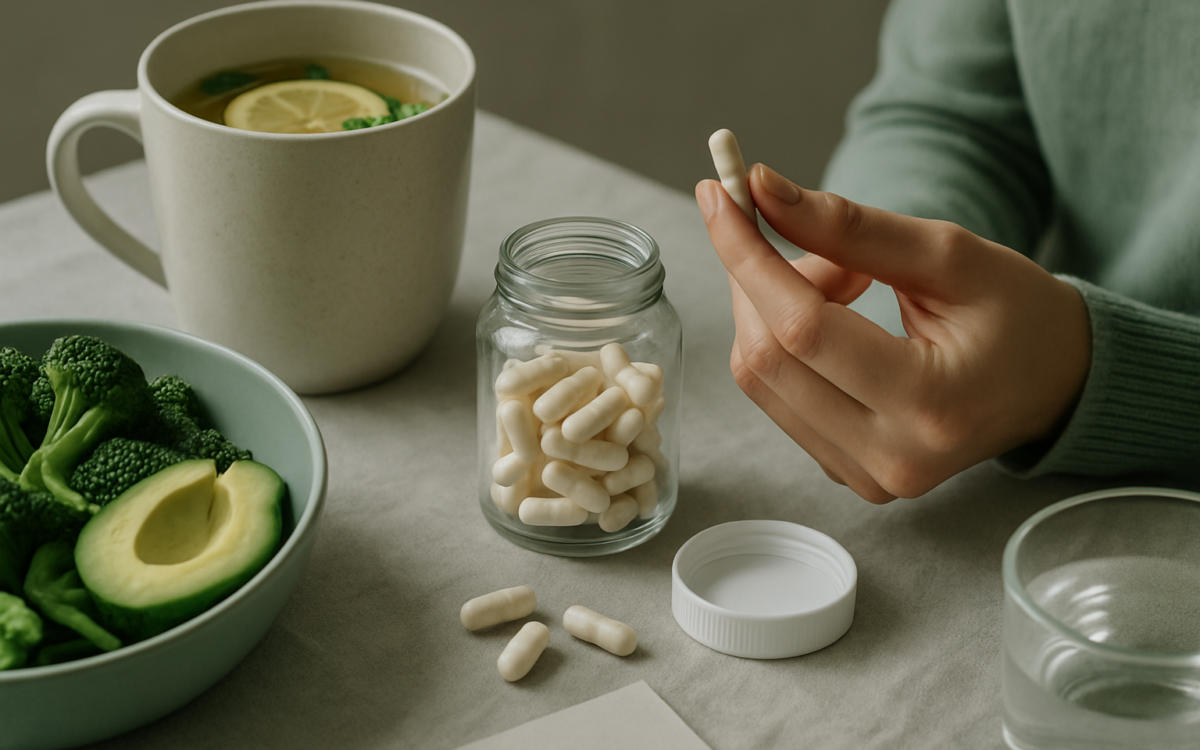
Some people find that supplements, such as omega-3 fatty acids, vitamin D, or curcumin, can help manage inflammation. However, it’s best to consult a doctor before starting any supplement regimen.
The Importance of Sleep
Never underestimate the power of a good night’s sleep! Lack of sleep can lead to increased inflammatory markers in the body. Aim for 7-9 hours of quality sleep each night by creating a restful environment and establishing a bedtime routine.
When to See a Doctor
If you experience persistent inflammation, such as swelling or pain that doesn’t go away, or if you have symptoms of chronic inflammation like fatigue, weight gain, or digestive issues, it’s important to consult a healthcare professional. They can help determine the underlying cause and recommend appropriate treatments.
Conclusion
Reducing inflammation in your body involves a combination of dietary choices, lifestyle adjustments, and integrative approaches. By taking these steps, you can help promote better health and well-being.
