
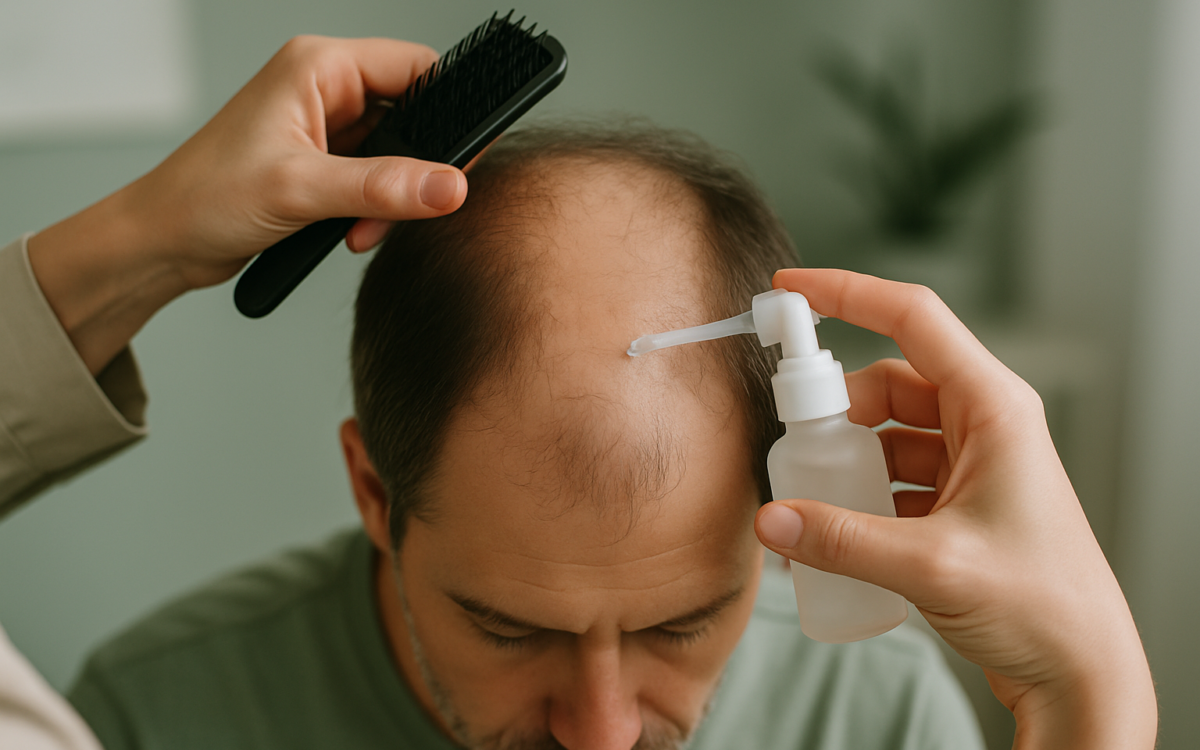
For many individuals, hair is more than just a part of our appearance; it can be a significant aspect of our identity. When faced with hair fall or the prospect of baldness, it’s natural to feel concerned. Fortunately, there are steps you can take to help keep your hair healthy and full. In this article, we’ll explore practical ways to prevent hair fall and combat baldness while nurturing your locks effectively.
Understanding Hair Loss
Hair loss can stem from various factors including genetics, diet, stress, and hormonal changes. Understanding the potential causes is essential to effectively tackle the issue. For instance, male pattern baldness, known scientifically as androgenetic alopecia, is a common hereditary condition affecting many men as they age. Other causes can include telogen effluvium, where hair sheds due to stress or illness, or alopecia areata, an autoimmune disease that leads to hair loss.
Nutrition Matters: Fueling Healthy Hair
The health of your hair starts from within. A balanced diet rich in essential nutrients promotes healthy growth and can help prevent hair loss. Here are key nutrients to include:
- Protein: Hair is primarily made up of protein (keratin). Including lean meats, fish, beans, and nuts in your diet can provide the building blocks your hair needs.
- Vitamins: Vitamins A, C, D, and E play crucial roles in hair health. Leafy greens, fruits, and fish are excellent sources.
- Minerals: Iron and zinc are vital for hair growth. Red meat, shellfish, lentils, and spinach can help maintain adequate levels.
- Omega-3 fatty acids: Found in fish, walnuts, and flaxseed, these fats can contribute to a healthy scalp and shiny hair.
Mind Your Stress Levels
Stress can be a major culprit behind hair loss. Finding ways to manage stress can positively impact your hair health. Here are some effective stress-relief strategies:
- Exercise: Regular physical activity boosts mood and relieves stress, which may help to minimize hair fall.
- Meditation and Mindfulness: Practicing mindfulness techniques calms your mind and promotes relaxation, reducing stress-related hair loss.
- Sleep: Aim for 7-9 hours of quality sleep nightly. Proper rest plays a key role in stress management.
Hair Care Tips for Preventing Hair Fall
Embracing good hair care practices can significantly impact your hair’s health. Here are some tips to consider:
- Gentle Washing: Use a mild shampoo suited for your hair type and avoid excessive washing, which can strip natural oils.
- Condition Regularly: Conditioning your hair helps retain moisture and reduces breakage. Look for nourishing conditioners, including those with natural ingredients.
- Limit Heat Styling: Excessive heat from styling tools can damage hair. Try air-drying when possible and limit the use of tools like straighteners and curling irons.
- Be Mindful of Hair Ties: Tight hairstyles and rubber bands can cause tension and lead to hair loss. Opt for looser styles and consider fabric-covered hair ties.
Supplements: Are They Helpful?
Many people consider supplements to promote hair health. While supplements like biotin, collagen, and various vitamins are widely available, it’s crucial to be informed before starting any new regimen. Research shows that some nutrients can support hair health, but results can vary. It’s best to consult with a doctor or a nutritionist to determine what might be beneficial for you, based on your individual dietary needs and health status.
Protecting Your Hair from Environmental Damage
Our hair is exposed to various environmental factors that can lead to damage over time. Here are some tips to protect your locks:
- Sun Protection: UV rays can weaken and damage your hair. Wearing a hat or using hair products that provide UV protection can help.
- Avoid Chlorine Damage: If you swim, consider wearing a swim cap or rinsing your hair before and after swimming to minimize chlorinated water exposure.
- Seasonal Care: Adjust your hair care routine according to the season. In winter, consider using heavier conditioners to combat dryness, while in summer, look for lightweight products that hydrate.
When to See a Doctor
If you notice sudden or patchy hair loss, it might be wise to consult a healthcare professional. Conditions like alopecia areata or other underlying health issues could require attention. Additionally, if hair loss is accompanied by other symptoms such as skin changes or pain, seeking a doctor’s advice as soon as possible is crucial.
In conclusion, preventing hair fall and baldness involves a holistic approach that includes nutrition, stress management, effective hair care practices, and environmental protection. By nurturing your hair health from various angles, you can keep your locks looking vibrant and minimize the potential for hair loss. Remember, personalized advice from a healthcare professional can provide valuable insights for your specific situation.
