
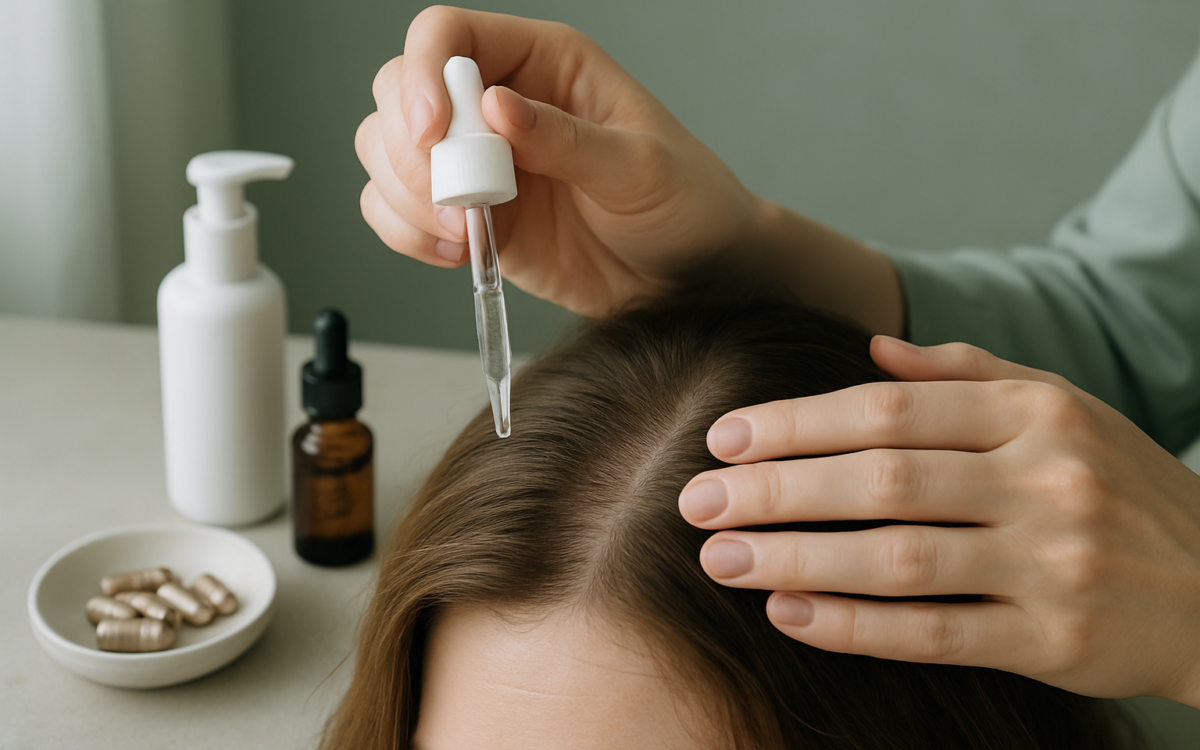
Hair is often seen as a reflection of our vitality and self-image. However, many people experience hair thinning or hair loss at some point in their lives. Understanding how to prevent this can boost your confidence and overall well-being. In this article, we will explore effective strategies to help you maintain healthy hair and reduce the risk of hair thinning.
Understanding Hair Loss
Before diving into prevention methods, it’s important to understand what causes hair thinning and loss. Hair loss can result from various factors, including genetics, hormonal changes, medical conditions, and lifestyle choices. The most common type of hair loss is androgenetic alopecia, often referred to as male or female pattern baldness. It typically occurs due to hormonal changes and genetics.
Other factors that can contribute to hair loss include:
- Stress
- Nutritional deficiencies
- Certain medical conditions (like thyroid disorders)
- Medications
- Poor hair care practices
Nutrition: The Foundation of Healthy Hair
A balanced diet plays a crucial role in maintaining hair health. Hair follicles require essential vitamins and minerals to grow strong and healthy hair.
Key Nutrients for Hair Health
1. **Protein**: Hair is made mostly of protein called keratin. Including sufficient protein in your diet can promote healthy hair.
2. **Iron**: Iron deficiency can lead to hair loss. Foods high in iron include spinach, lentils, and red meat.
3. **Zinc**: Important for hair tissue growth and repair, zinc can be found in pumpkin seeds, nuts, and whole grains.
4. **Biotin**: A B-vitamin that supports hair health, biotin is found in eggs, nuts, and dairy products.
5. **Vitamins A and D**: These vitamins help in the growth of hair follicles. Include leafy greens, fish, and dairy products in your diet.
Stress Management for Healthier Hair
Stress is known to contribute to hair loss. Managing stress through relaxation techniques can positively impact your hair health.
Effective Stress Relief Techniques
– **Meditation**: Practicing mindfulness can help reduce stress levels. Dedicate a few minutes each day to meditation.
– **Exercise**: Physical activity boosts endorphins, which can improve your mood and reduce stress.
– **Adequate Sleep**: Aim for 7-9 hours of sleep nightly to allow your body to recover and rejuvenate.
– **Hobbies**: Engaging in hobbies you enjoy can be a great way to unwind and relieve stress.
Proper Hair Care Practices
How you care for your hair can significantly impact its health. Here are some tips to help you maintain your hair:
Best Practices for Hair Care
– **Gentle Washing**: Use a mild shampoo and condition your hair regularly to maintain moisture.
– **Avoid Over-Styling**: Limit the use of heat tools and harsh chemicals, which can damage hair.
– **Scalp Care**: A healthy scalp is crucial for hair growth. Use essential oils, such as rosemary or peppermint, to stimulate circulation.
– **Regular Trims**: Trim your hair regularly to eliminate split ends and promote healthy growth.
Considering International Treatment Options
For those experiencing significant hair thinning or loss, it may be worth exploring treatment options beyond your local offerings. Countries like Turkey are becoming known for advanced hair restoration techniques at a fraction of the cost of similar treatments in the West. If you are considering hair transplants or other procedures, you might want to look into treatment in Turkey as a viable option.
Natural Supplements for Hair Growth
Alongside a healthy diet, certain supplements may offer additional benefits. Always consult with a healthcare provider before beginning any new supplement regimen.
Popular Hair Growth Supplements
- **Biotin**: Often recommended for hair health.
- **Fish Oil**: Omega-3 fatty acids promote hair growth and healthy scalp.
- **Saw Palmetto**: Some studies suggest it may help with hair loss.
When to See a Doctor
If you are experiencing sudden or patchy hair loss, it is advisable to consult with a healthcare professional. They can help determine the underlying cause of your hair thinning and recommend appropriate treatments.
Conclusion
Preventing hair thinning and loss involves a holistic approach that includes a balanced diet, stress management, and proper hair care practices. By empowering yourself with knowledge and taking proactive measures, you can maintain healthy hair for years to come. Remember, while some hair thinning is normal, it’s essential to be mindful of any significant changes and consult a doctor when necessary.
