
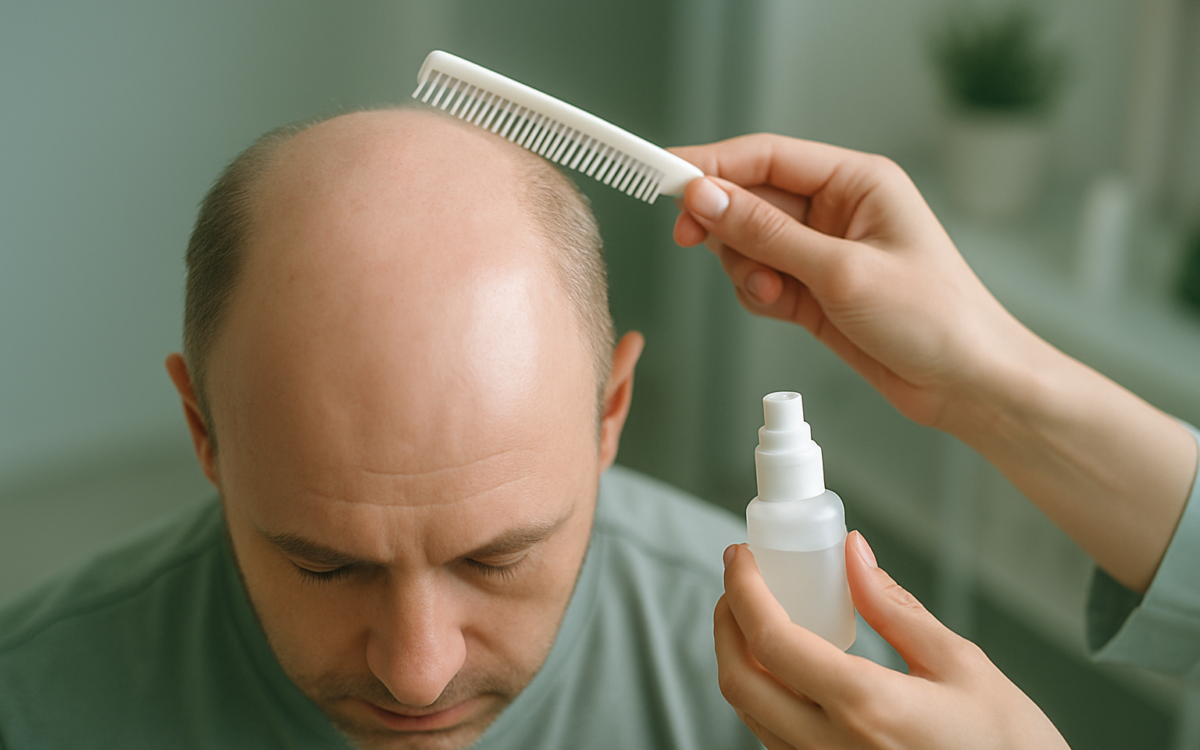
Baldness, or hair loss, is a concern for many people, particularly as they age. This condition can be distressing, impacting self-esteem and confidence. Understanding the causes of baldness is essential, but equally important is knowing what steps you can take to reduce its effects. Whether you’re experiencing thinning hair or more significant hair loss, there are various strategies that could help maintain your mane or even promote growth.
Understanding the Causes of Baldness
Baldness commonly arises from a combination of genetics, hormones, and environmental factors. The most prevalent form is androgenetic alopecia, often referred to as male-pattern baldness. This type of hair loss is hereditary and can begin as early as your teenage years.
Some other known causes of baldness include:
- Hormonal changes due to medical conditions
- Medical treatments such as chemotherapy
- Stress and trauma
- Alopecia areata, an autoimmune disorder
- Nutritional deficiencies
Adopting a Healthy Diet
Your diet plays a crucial role in overall health, including the health of your hair. A well-balanced diet rich in vitamins and minerals can support hair growth. Here are some things to consider:
- Protein: Hair is primarily made of protein, so it’s essential to consume enough. Incorporate lean meats, fish, beans, and nuts into your meals.
- Vitamins and Minerals: Vitamins A, C, D, E, and minerals like zinc and iron have been linked to hair health. Foods like spinach, sweet potatoes, oranges, and eggs can be beneficial.
- Omega-3 Fatty Acids: Found in fish, flaxseeds, and walnuts, omega-3s are known to nourish the hair and support overall scalp health.
Scalp Health and Care
A healthy scalp is vital for healthy hair. Here are several ways to enhance scalp health:
- Regular Washing: Washing your hair regularly can keep the scalp clear of excess oil and dirt. Choose a gentle shampoo that suits your hair type.
- Massage: Massaging the scalp can increase blood circulation, promoting hair follicle health. Try using your fingers to gently massage your scalp for a few minutes while washing your hair.
- Limit Heat and Chemical Treatments: Excessive use of styling tools or harsh chemicals can damage hair and scalp health. Opt for natural hairstyles when possible.
Consider Supplements
If you suspect you’re not getting enough nutrients from your diet, consider discussing dietary supplements with your doctor. Some supplements that are often explored for hair health include:
- Biotin: This B-vitamin is frequently touted for its hair-strengthening properties.
- Fish Oil: Known for its omega-3 content, it may promote a healthier scalp.
- Vitamin D: Adequate vitamin D levels are essential for hair follicle cycling.
Always consult with a healthcare professional before starting any new supplements.
Exploring Medical Treatments
For individuals experiencing significant hair loss, medical treatments may provide options. Two popular non-surgical treatments include:
- Minoxidil: An over-the-counter topical solution that can stimulate hair growth and slow balding.
- Finasteride: A prescription medication that decreases hormone levels associated with hair loss.
Furthermore, advanced options like hair transplants and laser therapy are available for some individuals seeking more permanent solutions. Always discuss these options with a healthcare provider to understand the benefits and risks involved.
Managing Stress Effectively
Stress can exacerbate hair loss, so finding ways to manage stress is crucial for preventing baldness. Here are some stress-reduction techniques you might consider:
- Exercise: Regular physical activity can alleviate stress and promote overall well-being.
- Meditation and Mindfulness: Practicing mindfulness or meditation can help calm your mind and reduce anxiety levels.
- Social Support: Talking to friends or family can provide emotional support during stressful times.
When to See a Doctor
If you’re experiencing sudden or significant hair loss, it’s essential to consult with a healthcare professional. Conditions like alopecia areata or vitamin deficiencies can lead to substantial changes in hair health that a doctor can help address. Additionally, if you’re interested in exploring medical treatments for hair loss, your doctor is the best resource for discussing your options and any potential side effects.
Conclusion
Emailing baldness can feel overwhelming, but understanding its causes and knowing how to care for your hair can empower you. By adopting a healthy diet, maintaining scalp health, exploring appropriate supplements, and managing stress, you can take proactive steps to reduce the likelihood of baldness. Remember that individual results may vary, and consulting a healthcare professional for personalized advice is always a wise approach.
