
Balding is something many people experience, and it can feel overwhelming at times. The loss of hair can affect confidence and self-image, but understanding its causes can help you navigate this common issue. From genetics to lifestyle factors, several aspects contribute to hair loss. In this article, we’ll explore the main causes of balding and what you can do to manage it.
Genetic Factors: The Role of Heredity
One of the most significant contributors to balding is genetics. Male pattern baldness, also known as androgenetic alopecia, is common and is inherited from either parent. In this condition, hair follicles shrink over time due to a hormone called dihydrotestosterone (DHT), which is derived from testosterone. This process gradually shortens the hair growth cycle, leading to thinner hair and eventual baldness.
Research shows that genes can influence not just the likelihood of balding but also the age at which it starts. If your family has a history of baldness, it might be wise to monitor your hair health early on. For more in-depth information on this subject, you can visit NIH.
Hormonal Changes: The Impact of Androgens
Hormones play a crucial role in hair growth and loss. As mentioned earlier, DHT is a major player in male pattern baldness. However, hormonal shifts can affect both men and women. Conditions such as menopause, pregnancy, and thyroid imbalances can lead to changes in hair growth patterns. In women, thinning hair can be especially pronounced during menopause due to decreased estrogen levels.
It’s not just sex hormones that can influence hair health. Thyroid hormones are also vital. Both hyperthyroidism (an overactive thyroid) and hypothyroidism (an underactive thyroid) can result in hair loss. If you suspect hormonal issues might be affecting your hair, it’s best to consult a healthcare provider.
Lifestyle Factors: How Your Habits Affect Hair
Many lifestyle choices can influence the health of your hair. Stress is a significant factor that can lead to temporary hair loss known as telogen effluvium. When you’re under stress, your body may push hair follicles into a resting phase, causing hair to fall out more than usual. Managing stress through relaxation techniques, exercise, and a healthy work-life balance can make a difference.
Diet is another essential factor for thriving hair. Lack of nutrients such as iron, protein, and essential fatty acids can hinder hair growth and lead to balding. Make sure you are eating a balanced diet rich in vitamins and minerals. Foods like leafy greens, fatty fish, nuts, and seeds can support your hair health.
Health Conditions: Underlying Issues to Consider
Certain medical conditions can contribute to hair loss. Autoimmune diseases like alopecia areata occur when the body’s immune system attacks hair follicles, resulting in sudden hair loss. Scalp infections, such as ringworm, can also cause bald patches, as can skin conditions like psoriasis and seborrheic dermatitis.
Other health issues, such as diabetes, can affect circulation and nutrient delivery to hair follicles. If you’re experiencing unexplained hair loss, it may be a good idea to check for underlying health conditions. Reach out to a healthcare professional who can help identify and treat any issues.
Environmental Factors: The External Influences
Your environment can also play a role in hair loss. Environmental stressors like pollution, harsh weather, and exposure to harmful chemicals can weaken hair follicles and accelerate shedding. Using gentle hair care products and minimizing exposure to these stressors can help maintain the health of your hair.
Moreover, hairstyles that pull tightly on the hair, such as ponytails or braids, can lead to traction alopecia, which is a type of hair loss caused by repeated tension on the hair. It’s essential to be mindful of how you style your hair to prevent unnecessary damage.
Prevention and Management: What You Can Do
While you may not be able to change your genetics, there are measures you can take to help manage and potentially slow down the balding process. Here are some strategies:
- Eat a Balanced Diet: Incorporate foods rich in vitamins and minerals that support hair health.
- Stress Management: Practice relaxation techniques such as yoga, meditation, or deep breathing.
- Gentle Hair Care: Avoid using harsh chemicals and excessive heat when styling your hair.
- Regular Check-Ups: Monitor your health and seek professional advice when you notice significant changes in your hair.
For more detailed information, check out resources from reputable health organizations such as the Mayo Clinic or the World Health Organization.
When to See a Doctor
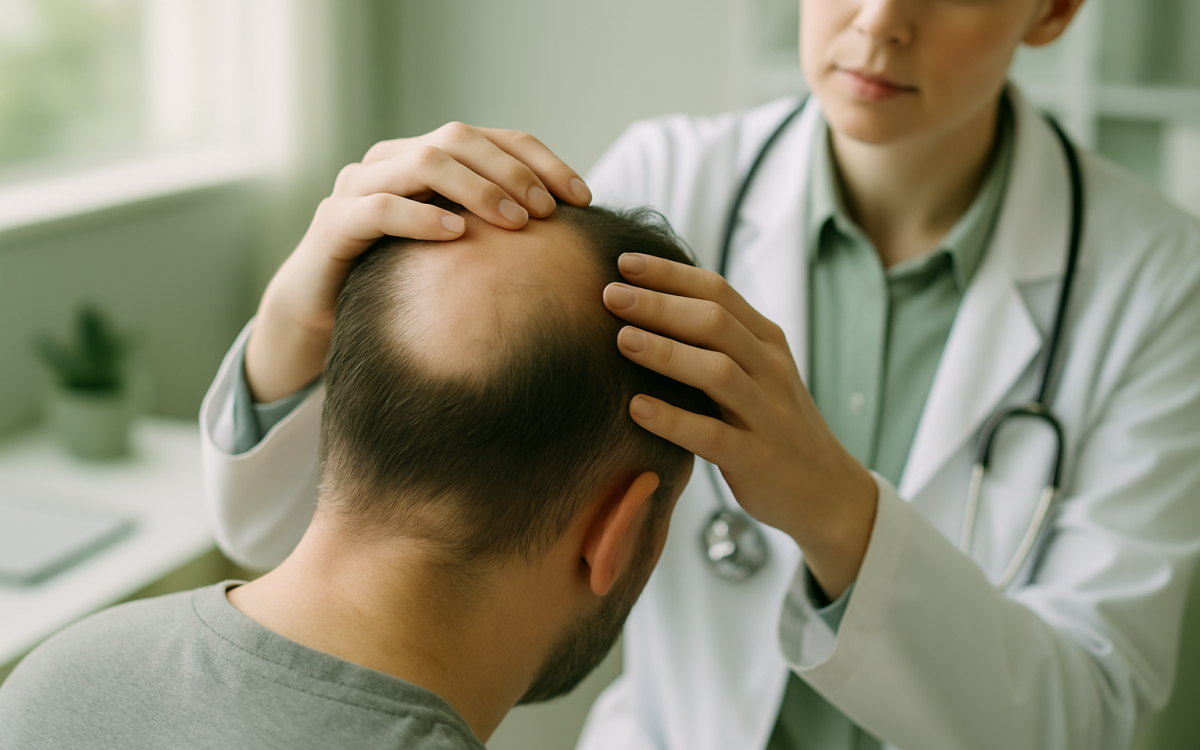
If you’re concerned about hair loss or notice sudden changes in your hair growth, it’s important to consult with a healthcare provider. They can help diagnose any underlying conditions and discuss potential treatment options tailored to your situation.
In conclusion, while balding can be a distressing experience, understanding its causes is the first step towards addressing it. By being aware of the genetic, hormonal, lifestyle, and health-related influences on your hair, you can make informed decisions and take proactive steps to manage your hair health.
