
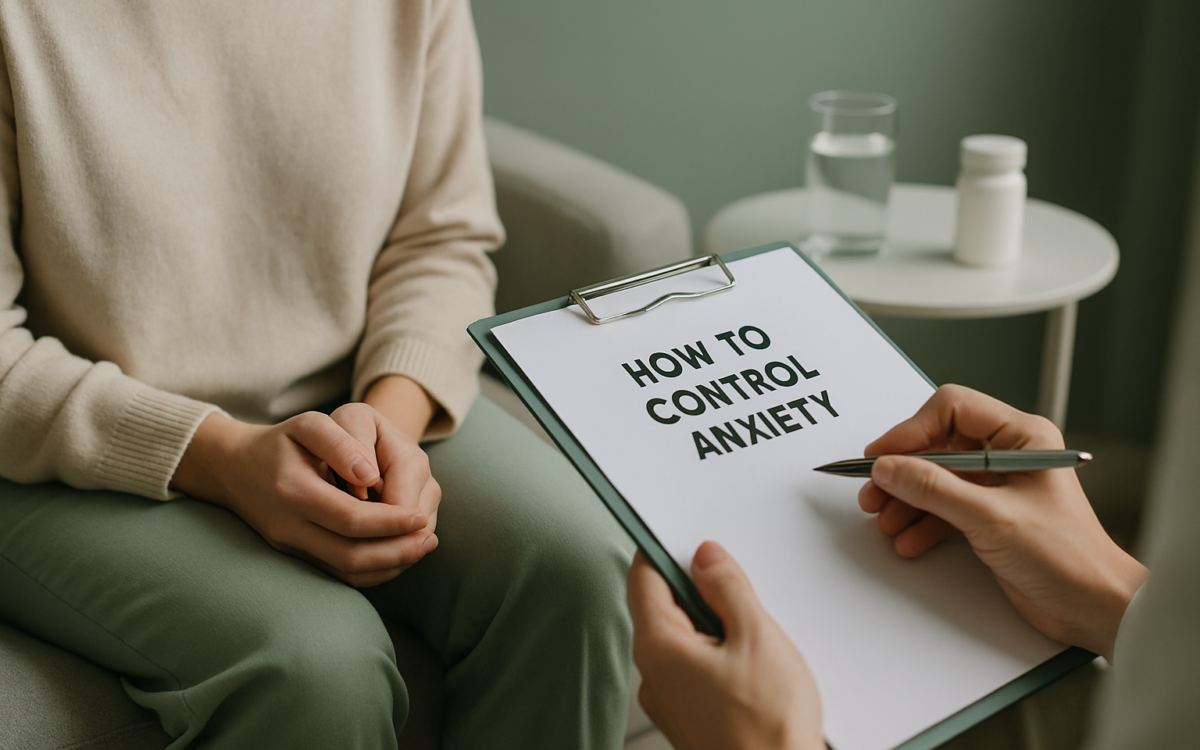
Anxiety can sometimes feel overwhelming, affecting our daily lives and overall well-being. Whether it arises from everyday stressors or more significant concerns, finding ways to control anxiety is crucial. Fortunately, there are numerous strategies and techniques you can incorporate into your daily life to help manage anxiety effectively. In this article, we’ll explore practical steps to calm your mind and regain your sense of control.
Understanding anxiety and its effects
Anxiety is a natural response to stress. It can present itself in various ways, such as excessive worrying, restlessness, difficulty concentrating, and physical symptoms like racing heartbeats or shortness of breath. While mild anxiety can be manageable, it can become problematic when it interferes with daily activities and mental health.
Learning how to control anxiety starts with understanding its roots and triggers. Stressful situations, major life changes, and even past experiences can contribute to anxiety levels. By recognizing patterns in your anxiety, you can begin to develop a tailored approach to managing it.
Practicing mindfulness and breathing exercises
Mindfulness is the practice of being present in the moment and observing your thoughts without judgment. Incorporating mindfulness techniques into your routine can significantly help control anxiety. One effective method is deep breathing.
To practice deep breathing:
- Find a comfortable position, either sitting or lying down.
- Close your eyes and take a slow, deep breath in through your nose, counting to four.
- Hold your breath for a count of four.
- Exhale slowly through your mouth for a count of four.
- Repeat this process for several minutes.
This technique can reduce anxiety quicky by calming your nervous system.
Engaging in physical activity
Regular physical activity is one of the most effective ways to control anxiety. Exercise releases endorphins, which are chemicals that improve your mood and create feelings of happiness. Even a short walk or gentle yoga can do wonders for your mental health.
Ideally, aim for at least 30 minutes of moderate exercise most days of the week. Here are some activities to consider:
- Walking or jogging
- Swimming
- Cycling
- Yoga or tai chi
Find something you enjoy, as it’s easier to stick with it. Make it a part of your daily routine, and you’ll likely see improvements in your anxiety levels over time.
Establishing a healthy sleep routine
Sleep and anxiety are closely connected. Poor sleep can increase anxiety levels, while anxiety can make it challenging to sleep. Creating a stable and supportive sleep routine is essential for managing anxiety.
To develop better sleep habits:
- Set a regular bedtime and wake-up time, even on weekends.
- Avoid screens for at least an hour before bed, as the blue light can disrupt your ability to fall asleep.
- Create a calming nighttime routine, such as reading or taking a warm bath.
- Ensure your sleeping environment is comfortable and dark.
Prioritizing quality sleep can help balance your emotions and keep anxiety at bay.
Building a support network
Isolation can worsen anxiety, making it essential to build a strong support network. Surround yourself with friends and family who uplift you and understand your experiences.
Here are a few ways to strengthen your connections:
- Schedule regular catch-ups, whether in person or virtually.
- Join support groups where you can share your challenges with others.
- Consider talking to a therapist or counselor; these professionals can provide valuable coping strategies tailored to your needs.
Don’t hesitate to reach out when you feel overwhelmed. Remember that you are not alone in your struggles.
Utilizing relaxation techniques
In addition to mindfulness and exercise, relaxation techniques can significantly alleviate anxiety. These methods can help calm your mind and body, making it easier to manage anxiety:
- Progressive muscle relaxation: Tense and then relax each muscle group, starting from your toes and working your way up to your head.
- Visualization: Picture a peaceful scene or memory when you start feeling anxious.
- Mindful meditation: Spend time each day focusing your attention and eliminating distractions to center your thoughts.
Find what works best for you and integrate it into your daily routine. These techniques can help create a sense of calm amid the chaos.
When to see a doctor
If you find that anxiety is interfering with your daily life or if it becomes persistent and overwhelming, it may be time to consult a health professional. Signs that you should seek help include:
- Feeling anxious most of the time, even when there is no clear reason.
- Difficulty performing daily activities due to anxiety.
- Experiencing panic attacks or physical symptoms like shortness of breath and racing heart.
Seek professional guidance to explore more intensive treatment options, such as therapy or medication.
In conclusion, learning how to control anxiety is an ongoing process that involves understanding your feelings, practicing self-care, and reaching out for support. By incorporating practical strategies into your daily life, you can manage anxiety more effectively and improve your overall quality of life. Remember, it’s perfectly okay to ask for help when you need it. You don’t have to navigate this journey alone.
