
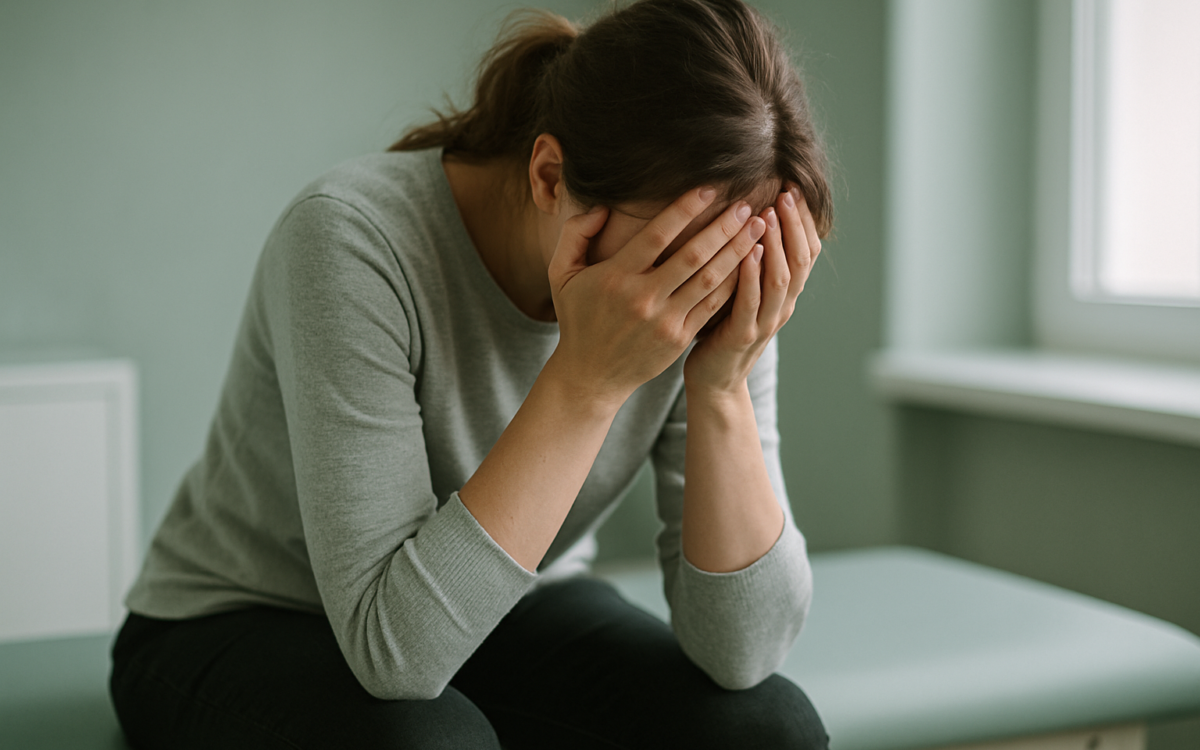
Anxiety is a normal part of life, but it can sometimes spiral into something much more intense and overwhelming. When anxiety reaches extreme levels, it can disrupt daily activities and significantly impact one’s quality of life. Understanding the symptoms of extreme anxiety is crucial for those affected and their loved ones. This article aims to shed light on what these symptoms look like and when it might be time to seek professional help.
What Is Extreme Anxiety?
Extreme anxiety often presents as a heightened state of fear or worry that is out of proportion to the actual situation. It may be accompanied by physical symptoms and can cause significant distress and impairment. This condition is more than just occasional nerves; it can manifest in various forms such as panic attacks, generalized anxiety disorder (GAD), or social anxiety disorder.
Common Symptoms of Extreme Anxiety
Identifying extreme anxiety is essential for effective management. Here are some of the most common symptoms:
- Intense feelings of dread or panic: This may feel like an overwhelming sense of impending doom.
- Rapid heartbeat: An increased heart rate can make you feel like you are experiencing a panic attack.
- Shortness of breath: You may feel like you cannot catch your breath or that you’re suffocating.
- Fatigue: Anxiety can be exhausting, leading to physical and mental fatigue.
- Difficulty concentrating: An anxious mind can make it hard to focus on tasks.
- Irritability: You might find yourself on edge or easily annoyed by minor issues.
Panic Attacks: A Closer Look
Panic attacks are often associated with extreme anxiety, and understanding them can help demystify this experience. A panic attack is a sudden episode of intense fear or discomfort that triggers severe physical reactions when there is no real danger.
Common symptoms during a panic attack include:
- Palpitations or pounding heart
- Sweating
- Trembling or shaking
- Nausea or abdominal distress
- Chills or hot flashes
- Numbness or tingling sensations
- Feelings of unreality or detachment
Panic attacks can be frightening and may lead individuals to fear future attacks, potentially causing avoidance behavior. Learning coping techniques can be beneficial.
Triggers of Extreme Anxiety
Extreme anxiety symptoms can be triggered by various factors, including:
- Stressful life events: Major changes—such as job loss, divorce, or the death of a loved one—can elevate anxiety levels.
- Health issues: Chronic illnesses or significant health scares can exacerbate anxiety symptoms.
- Family history: A genetic predisposition to anxiety disorders can increase the likelihood of experiencing extreme anxiety.
- Substance use: Alcohol and drug use or withdrawal can trigger or intensify anxiety symptoms.
Managing Extreme Anxiety Symptoms
While professional help is often necessary, there are strategies individuals can use to manage their anxiety symptoms effectively:
- Breathing exercises: Deep, slow breaths can help calm a racing mind and body.
- Regular exercise: Physical activity can produce endorphins, which act as natural mood lifters.
- Mindfulness and meditation: Practices focused on the present can help reduce anxiety levels.
- Sufficient sleep: Ensuring adequate rest is crucial in managing anxiety.
- Healthy diet: Proper nutrition can impact your mood and overall well-being.
When to See a Doctor
If you or someone you know experiences extreme anxiety symptoms that interfere with daily life, it may be time to consult a medical professional. Symptoms such as persistent fear, overwhelming panic, or thoughts of self-harm warrant immediate attention. You can learn more about recognizing when it’s time to seek help at reputable sources like the NIH and CDC.
Conclusion
Extreme anxiety symptoms can be debilitating and are often misunderstood. By recognizing these symptoms and understanding their triggers, individuals can take meaningful steps toward seeking help and improving their quality of life. Remember, you are not alone, and resources are available to support those in need.
