
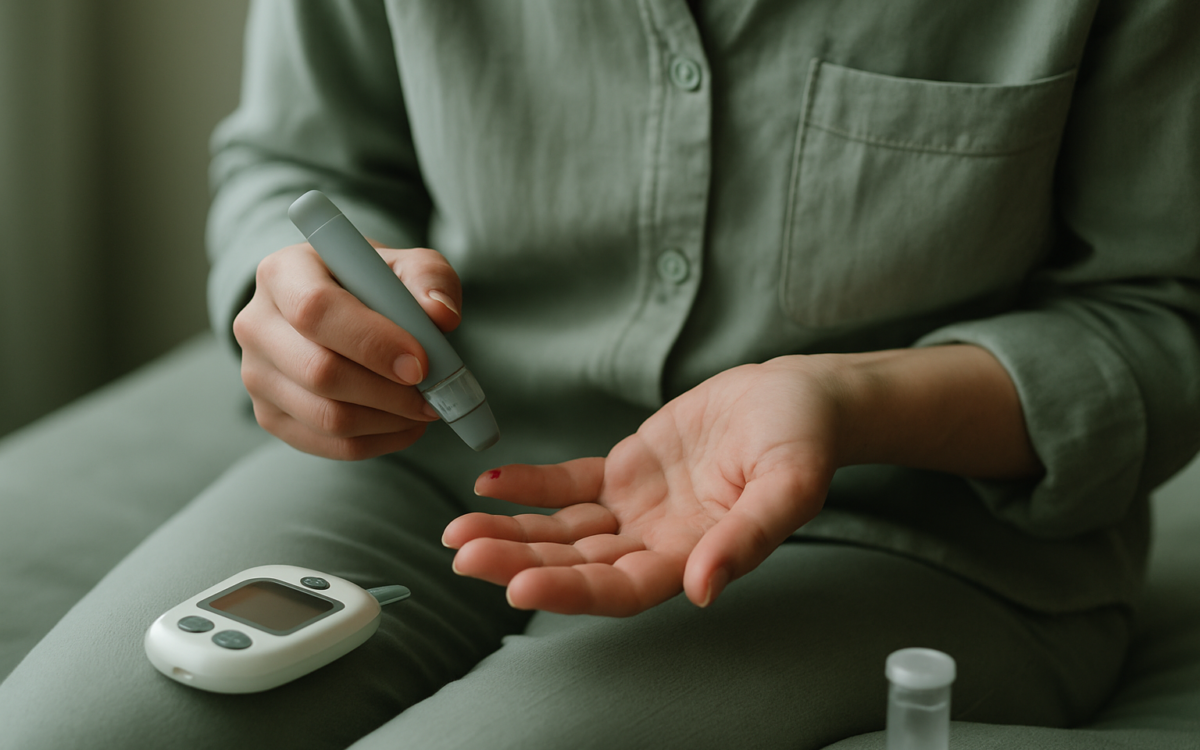
Type 2 diabetes is a condition that affects how your body uses sugar. It’s becoming more common, yet many people are unaware of its symptoms. Recognizing these signs early can help you manage your health effectively, potentially preventing serious complications later on. Let’s explore the symptoms associated with type 2 diabetes.
What Is Type 2 Diabetes?
Type 2 diabetes is a metabolic disorder that occurs when your body becomes resistant to insulin or doesn’t produce enough insulin to maintain normal glucose levels. Insulin is a hormone that helps sugar from food enter your cells, where it can be used for energy. When this process doesn’t work properly, sugar builds up in the bloodstream, leading to elevated blood sugar levels.
Common Symptoms of Type 2 Diabetes
Recognizing the symptoms of type 2 diabetes can be the first step toward getting help. Here are some of the most common symptoms:
- Frequent Urination: If your kidneys are working overtime to filter excess sugar from your blood, you may find yourself urinating more often than usual.
- Increased Thirst: Frequent urination can lead to dehydration, prompting you to drink more fluids.
- Fatigue: When your body can’t efficiently use sugar for energy, you may feel fatigued and sluggish.
- Blurred Vision: High sugar levels can affect your eye lenses, causing temporary changes in vision.
- Slow-Healing Sores: Cuts and bruises may take longer to heal, indicating possible blood circulation issues.
- Unexplained Weight Loss or Gain: Some people may experience sudden weight loss due to the body using alternative energy sources when it can’t use sugar properly, while others may gain weight as a result of changes in metabolism.
Understanding Hyperglycemia
When blood sugar levels are consistently higher than normal, the condition is known as hyperglycemia. Symptoms include increased thirst and urination, fatigue, and blurred vision. Over time, high blood sugar can lead to severe complications, including cardiovascular problems and nerve damage. Managing blood sugar levels is crucial for maintaining overall health. For more information on managing hyperglycemia, you can refer to the NIH.
The Role of Insulin Resistance
In type 2 diabetes, the body’s cells often resist insulin’s action, leading to increased blood sugar levels. This insulin resistance can result in several symptoms, particularly before diabetes is diagnosed. Early signs can include increased hunger, fatigue, and difficulty concentrating. Understanding these signs can help you recognize when it’s time to consult a healthcare professional.
Risk Factors for Type 2 Diabetes
Knowing your risk factors is vital in understanding potential symptoms and the likelihood of developing type 2 diabetes:
- Age: Being older than 45 increases your risk.
- Family History: A family history of diabetes can elevate your risk.
- Weight: Obesity is a significant risk factor for developing type 2 diabetes.
- Physical Inactivity: A sedentary lifestyle contributes to weight gain.
- Ethnicity: Certain ethnic groups have a higher risk.
When to See a Doctor
If you notice any of the symptoms mentioned above, it’s essential to consult a healthcare professional. Early diagnosis and management of type 2 diabetes can significantly improve your quality of life. Moreover, regular check-ups and screening are crucial if you have risk factors associated with diabetes.
Conclusion
Type 2 diabetes symptoms can manifest in various ways, and being aware of them is key to early diagnosis and effective management. If you or a loved one experience these symptoms, don’t hesitate to reach out to a healthcare provider for advice. Fighting diabetes starts with awareness.
