
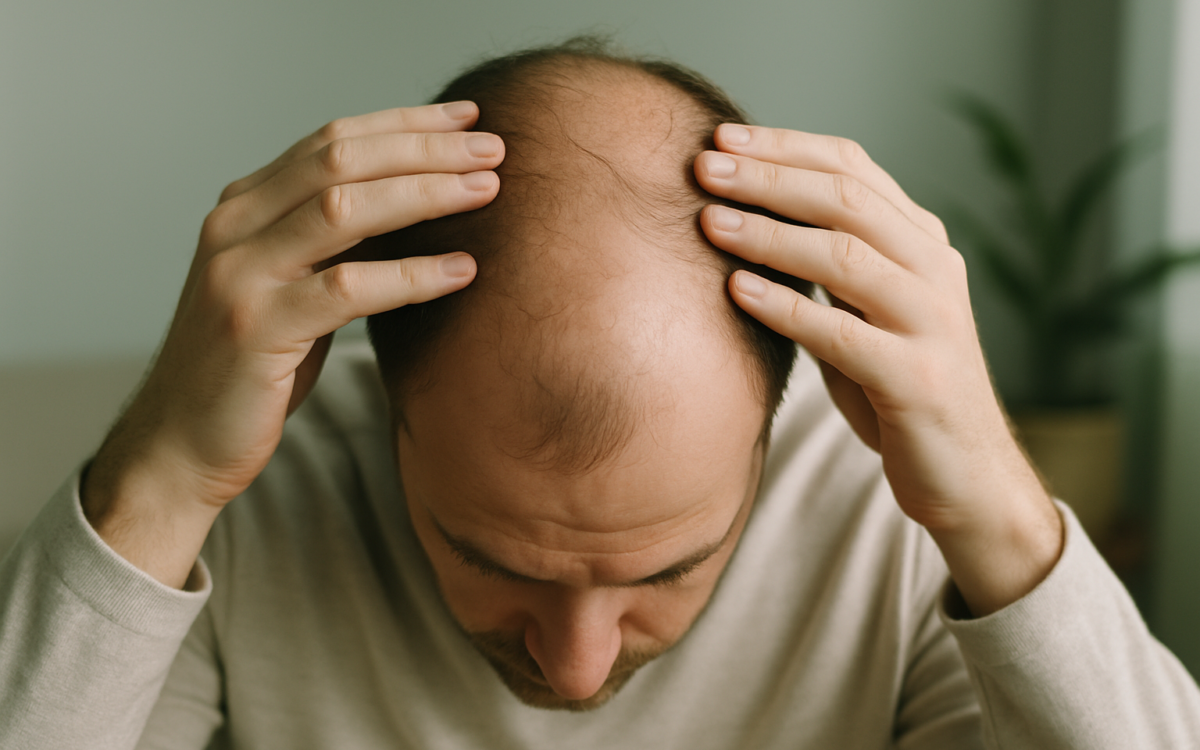
Many people associate hair loss with aging, but balding can begin much earlier than you think. Understanding the signs of balding is essential for early intervention and managing expectations. Whether it’s a significant change in your hairline or subtle thinning, recognizing the early signs can help you take appropriate action to preserve your hair and boost your confidence.
What Are the Common Signs of Balding?
The signs of balding can manifest in various ways depending on the individual, genetics, and underlying health conditions. Here are some common indicators:
- Thinning Hair: One of the most noticeable signs is overall thinning of hair, which may occur all over the scalp or in specific areas.
- Receding Hairline: For many men, balding often begins with a receding hairline. You might notice your hairline gradually moving further back on your forehead.
- Bald Spots: Some individuals may develop bald spots on the scalp, which can vary in size.
- Excessive Hair Shedding: If you notice more hair than usual on your pillow, in your shower drain, or on your clothes, it could be a sign of balding.
- Changes in Hair Texture: Thinning hair may also feel different. You might notice your hair becoming finer or weaker.
Understanding Different Types of Hair Loss
Balding is not just one uniform condition; several types of hair loss exist. Each type has unique causes and may exhibit different signs:
Androgenetic Alopecia
Also known as male or female pattern baldness, androgenetic alopecia is the most common cause of hair loss. This condition is characterized by a genetic predisposition that leads to gradual hair thinning. Men typically experience a receding hairline and thinning at the crown, while women may notice overall thinning.
Alopecia Areata
Alopecia areata is an autoimmune condition where the body’s immune system attacks hair follicles. The signs may include sudden patches of hair loss that can occur at any age.
Telogen Effluvium
This temporary hair loss occurs due to stress, illness, or hormonal changes. It often manifests as a sudden shedding of hair but usually resolves once the triggering factor is addressed.
Assessing Your Risk Factors
Identifying risk factors associated with balding can help you understand your likelihood of hair loss:
- Family History: Genetics play a significant role in hair loss. If your parents or grandparents experienced baldness, you may be more susceptible.
- Age: Hair loss becomes more common as people age, especially for men.
- Hormonal Changes: Conditions like polycystic ovary syndrome (PCOS) in women can lead to hormonal imbalances that contribute to hair loss.
- Health Conditions: Certain medical conditions such as thyroid disorders or scalps infections can lead to hair loss.
- Stress: Physical and emotional stress can induce temporary hair loss.
When Do You Start to Notice Balding?
The age at which men and women begin to notice balding differs widely. While some may see signs of balding in their late teens or early twenties, others may not notice any thinning until their forties or fifties. It’s vital to pay attention to your hair and scalp health throughout life so you can recognize any changes early.
How to Address the Signs of Balding
Recognizing the early signs of balding is just the first step. Here are some options to consider if you notice any changes:
- Hair Restoration Treatments: Products like minoxidil (Rogaine) are available over the counter and may help stimulate hair growth.
- Prescription Medications: Finasteride (Propecia) is a prescription oral medication that can also slow hair loss and promote regrowth in men.
- Low-Level Laser Therapy: This non-invasive option may promote hair growth and is available in certain clinics.
- Hair Transplants: For significant hair loss, surgical options like hair transplants may be appropriate, depending on individual circumstances.
It’s essential to consult with a healthcare professional who can guide you toward the right treatment based on your specific situation.
When to See a Doctor
If you notice any signs of balding, especially if the hair loss is sudden or patchy, it may be a good idea to consult a healthcare provider. They can help determine the underlying cause and recommend appropriate treatments or lifestyle changes. In some cases, early intervention can lead to better outcomes in preserving your hair.
Conclusion
Understanding the signs of balding is crucial for managing your hair health effectively. Early recognition can open the door to various treatment options, making it easier to address the issue before it becomes more pronounced. Don’t hesitate to reach out to a healthcare professional if you have concerns about changes in your hair. Remember, you’re not alone on this journey, and help is available.
