
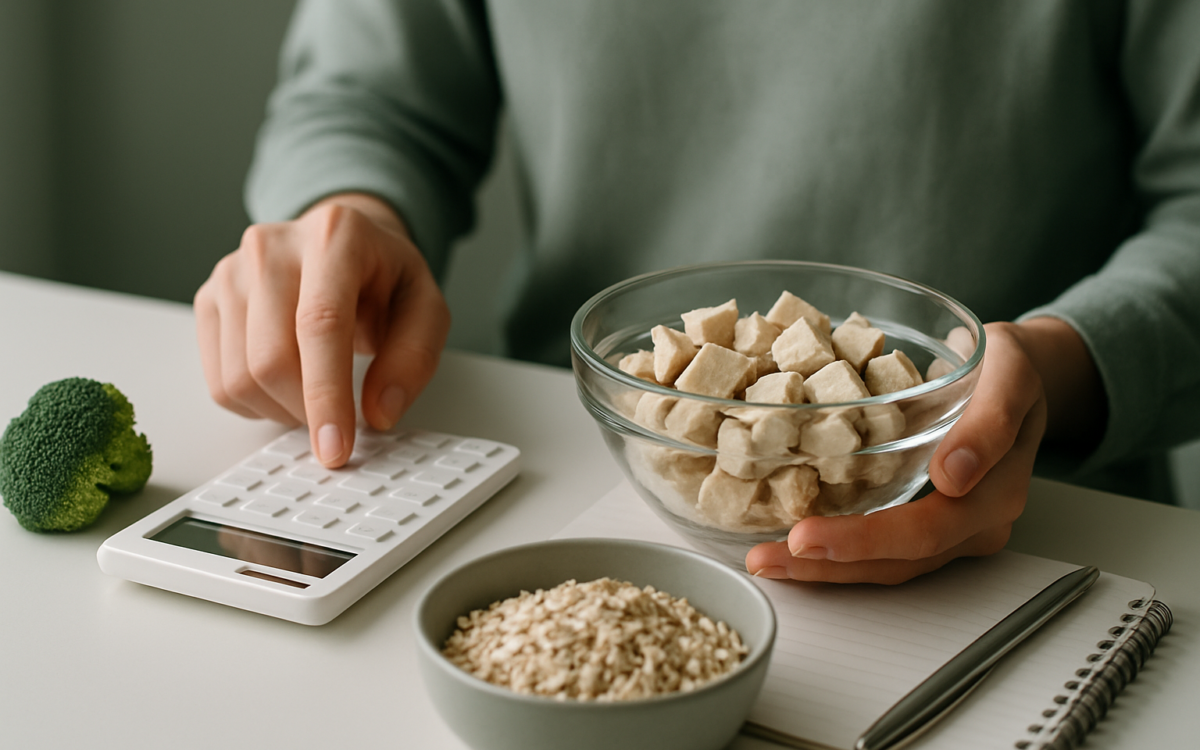
Protein is one of the essential nutrients our bodies need to function at their best. It’s like the building blocks for your body, helping with everything from muscle growth to immune function. But have you ever wondered, “How much protein do I actually need?” Understanding this can help you make better nutritional choices, whether you’re trying to build muscle, maintain weight, or simply stay healthy. In this article, we’ll guide you through the steps to calculate your protein needs effectively.
Why Is Protein Important?
Protein plays a critical role in various bodily functions. It’s crucial for repairing tissues, making enzymes and hormones, and supporting immune health. Additionally, adequate protein intake is necessary for muscle growth and recovery, especially if you’re physically active. But how much protein do you really need to support these functions?
Factors That Affect Protein Needs
Your protein requirements can vary based on several factors, including:
- Body Weight: Generally, more massive individuals will need more protein.
- Age: Older adults may require more protein to maintain muscle mass.
- Activity Level: Athletes and more active individuals often need higher protein intake for muscle repair and recovery.
- Health Goals: Whether you are aiming to lose weight, gain muscle, or simply maintain your current weight can influence your protein needs.
How to Calculate Your Protein Needs
To determine how much protein you need, follow these steps:
- Determine Your Body Weight: Start by weighing yourself to get your current body weight in kilograms (kg). To convert pounds to kilograms, divide your weight by 2.205.
- Establish Your Activity Level: Assess how active you are. Here’s a quick guide to help you:
- Sedentary (little or no exercise): 0.8 grams of protein per kg
- Lightly active (light exercise/sports 1-3 days/week): 1.0 grams per kg
- Moderately active (moderate exercise/sports 3-5 days/week): 1.2-1.6 grams per kg
- Very active (hard exercise/sports 6-7 days a week): 1.6-2.0 grams per kg
- Calculate Your Protein Needs: Multiply your body weight (in kg) by the grams of protein suited for your activity level. For example, if you weigh 70 kg and are moderately active: 70 kg x 1.5 g/kg = 105 grams of protein per day.
Examples of Protein Needs by Activity Level
To give you a clearer picture, here are examples for different body weights based on varied activity levels:
- Example 1: A sedentary person weighing 65 kg: 65 kg x 0.8 g/kg = 52 grams/day
- Example 2: An active individual weighing 80 kg: 80 kg x 1.6 g/kg = 128 grams/day
- Example 3: An athlete weighing 90 kg: 90 kg x 2.0 g/kg = 180 grams/day
Remember, these calculations provide a general idea and are not a one-size-fits-all solution. Individual needs can vary based on health conditions, dietary preferences, and lifestyle factors.
Choosing Protein Sources
While calculating the right amount of protein is essential, it’s also important to focus on the quality of the protein you consume. Good sources of protein include:
- Animal Sources: Chicken, turkey, fish, lean beef, eggs, and dairy products like milk and yogurt.
- Plant Sources: Beans, lentils, chickpeas, quinoa, nuts, seeds, and soy products like tofu and tempeh.
A diverse protein intake not only meets your body’s needs but also provides vital vitamins, minerals, and other essential nutrients.
Potential Risks of Too Much or Too Little Protein
Finding the right protein balance is important. Consuming either too much or too little protein can lead to health issues. Here’s what to watch for:
- Too Little Protein: Insufficient protein can result in muscle loss, weakness, and immune dysfunction. It’s especially crucial for older adults to prioritize adequate protein intake to maintain health as they age.
- Too Much Protein: Excessive protein intake can strain your kidneys, especially if you already have kidney disease. It may also lead to dehydration and potential nutrient imbalances.
Thus, it’s essential to consult healthcare professionals to personalize your protein intake according to your health status and goals.
When to See a Doctor
If you have specific health conditions, are undergoing weight management programs, or are unsure about how to meet your nutritional needs, it’s best to consult a healthcare provider or a registered dietitian. They can help you create a tailored nutrition plan to meet your protein and overall dietary needs effectively.
In summary, calculating your protein needs involves a straightforward approach of considering your body weight, activity level, and health goals. By knowing how much protein you need and focusing on quality sources of this essential nutrient, you can better support your overall health.
