
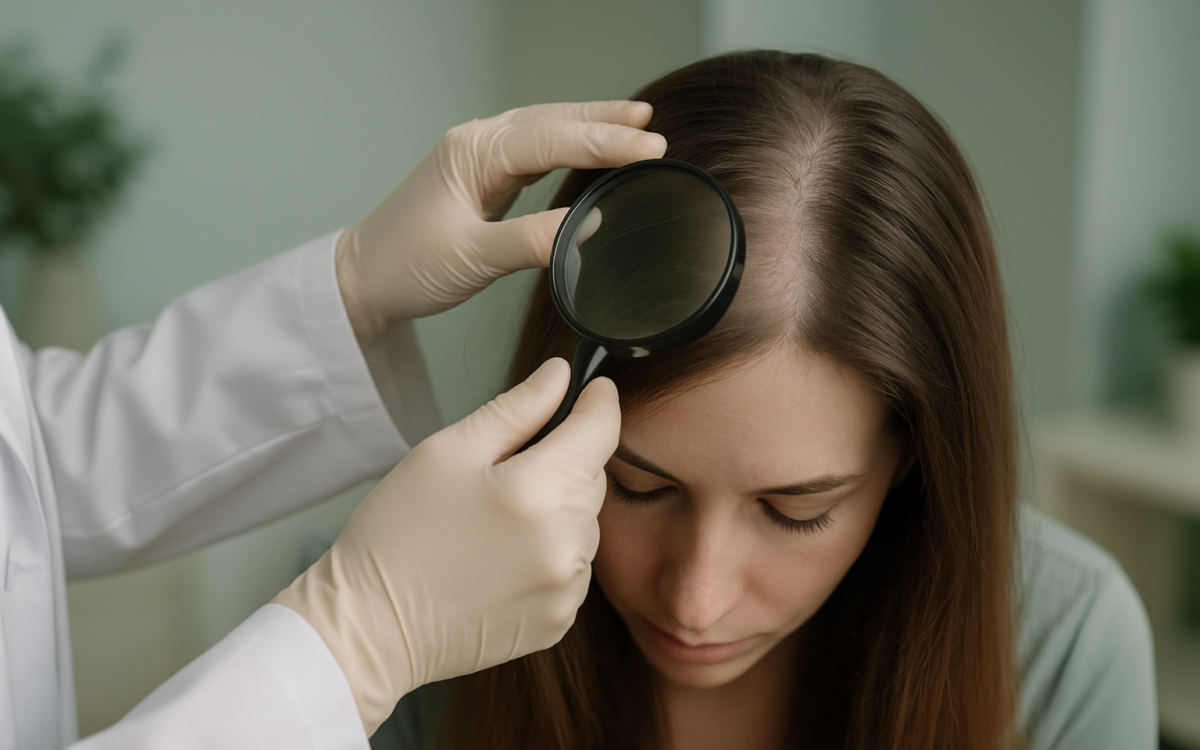
Hair is often seen as a key part of our identity, and losing it can be distressing for many. Whether it’s a gradual thinning or sudden shedding, hair fall affects people of all ages and backgrounds. Understanding the reasons behind hair fall can provide clarity and help individuals make informed decisions about their hair health.
Genetics and Hereditary Factors
One of the primary reasons for hair fall is genetics. Conditions like male pattern baldness (androgenetic alopecia) are influenced by heredity. If your parents or grandparents experienced hair loss, there’s a higher chance that you might too. This type of hair loss usually begins with a receding hairline or thinning at the crown and can progress to complete baldness over time.
Hormonal Changes
Hormones play a vital role in hair growth. Changes in hormone levels, especially related to androgens, can lead to hair loss. Conditions such as polycystic ovary syndrome (PCOS) in women can cause an imbalance in hormones, resulting in thinning hair. In men, higher levels of dihydrotestosterone (DHT), a derivative of testosterone, can lead to hair follicle shrinkage and subsequent hair loss. To learn more about the hormonal aspects of hair loss, you can visit resources from the National Institutes of Health.
Nutritional Deficiencies
A balanced diet is crucial for maintaining healthy hair. Deficiencies in essential vitamins and minerals can lead to hair fall. Here are some key nutrients related to hair health:
- Iron: Low iron levels can cause anemia, which is linked to hair fall.
- Vitamin D: Insufficient vitamin D can weaken hair follicles.
- Biotin: This vitamin is essential for hair growth, and a deficiency may contribute to hair loss.
Ensuring you have a diet rich in these nutrients can help maintain hair health. For further insights into nutrition, the World Health Organization provides guidelines on healthy eating.
Stress and Mental Health
Stress is more than just a mental burden; it can manifest physically, too. High-stress levels can trigger several types of hair loss, including telogen effluvium, which causes hair to enter the resting phase and shed prematurely. Prolonged stress can lead to chronic hair loss. Managing stress through relaxation techniques, meditation, and physical activity can be beneficial for both mental and physical health.
Medical Conditions and Medications
Certain medical conditions can also be at the root of hair fall. Autoimmune disorders like alopecia areata occur when the immune system attacks hair follicles, leading to patchy hair loss. Other conditions such as thyroid disease and scalp infections can contribute to hair loss as well.
Moreover, some medications have hair loss as a side effect. Drugs used for treating cancer, arthritis, depression, and heart issues may lead to hair fall. If you suspect your medication is affecting your hair, consult your doctor.
Hair Care Practices
How we care for our hair can impact its health. Excessive heat styling, harsh chemical treatments, and tight hairstyles can lead to traction alopecia, a form of hair loss caused by pulling on the hair follicles. Choosing gentler hair products and minimizing harsh treatments can help prevent unnecessary shedding. Always opt for a careful approach when it comes to styling and treatment to maintain healthy hair.
When to See a Doctor
If you’re experiencing significant hair loss, it’s wise to consult a healthcare professional. Signs that indicate you should seek medical advice include:
- Sudden or patchy hair loss.
- Hair loss accompanied by scaling or redness on the scalp.
- Hair loss that occurs following a significant life event or stress.
Early intervention can lead to better outcomes, so don’t hesitate to reach out to a doctor.
In summary, hair fall can result from various factors, including genetics, hormonal changes, nutritional deficiencies, stress, medical conditions, and hair care practices. By understanding these causes, you can take steps to nurture your hair’s health. Remember, if you’re concerned about your hair loss, discussing it with a healthcare provider is crucial to addressing the issue effectively.
