
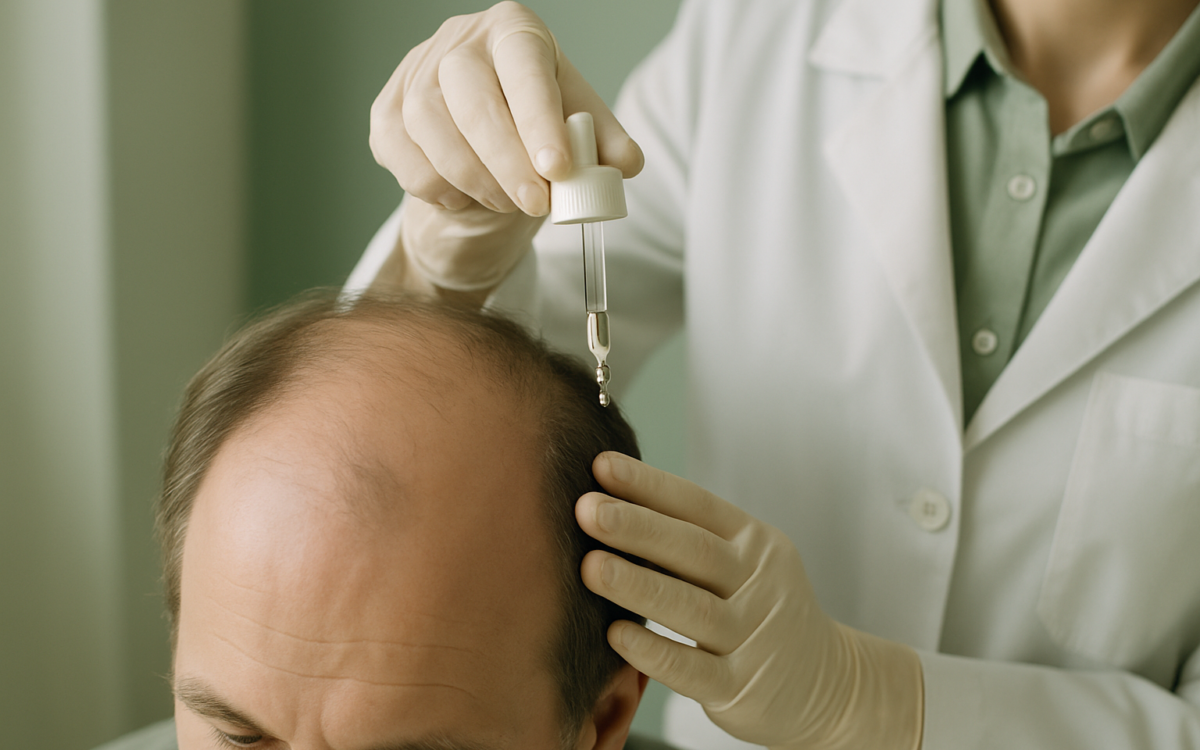
For many people, hair loss can be an upsetting experience that impacts self-esteem and confidence. If you’ve noticed your hair thinning, you’re not alone. Millions of men and women experience hair loss, with male pattern baldness being one of the most common forms. The good news is that there are various strategies to help manage hair loss and promote healthier hair growth. This article will explore practical tips and methods on how to stop balding.
Understanding Balding
Balding, or alopecia, can be caused by several factors, including genetics, hormonal changes, and even medical conditions. Understanding the underlying causes can help you make informed decisions about treatment options.
Maintain a Balanced Diet
Your diet plays a crucial role in hair health. Consuming a variety of nutrients can help keep your hair strong and thick. Here are some essential nutrients to include in your diet:
- Protein: Hair is made up of a protein called keratin. Ensure you consume adequate protein from sources like lean meats, fish, eggs, and legumes.
- Iron: Iron deficiency can lead to hair loss. Incorporate iron-rich foods like spinach, beans, and red meat.
- Vitamins: Vitamins A, C, D, E, and some B vitamins are important for hair growth. Fruits, vegetables, whole grains, and dairy products can provide these nutrients.
Consider Scalp Care
Your scalp is the foundation for healthy hair growth. Taking care of your scalp can significantly impact the health and appearance of your hair:
- Keep it clean: Regular shampooing can help remove excess oil and dandruff, which can harm hair follicles.
- Massage your scalp: A gentle scalp massage can increase blood circulation to hair follicles, promoting healthier hair growth.
- Avoid harsh products: Use gentle shampoos and avoid harsh chemicals that can irritate your scalp.
Explore Topical Treatments
There are several topical treatments available that may help with hair loss. Some of the most commonly used treatments include:
- Minoxidil: This over-the-counter topical solution is known to promote hair growth in some individuals. It’s applied directly to the scalp and may take several months to see results. More information can be found at the NIH.
- Prescription medications: Your doctor might recommend prescription treatments if over-the-counter options are ineffective. Always consult your doctor before starting any new treatment.
Consider Professional Treatments
If you’re looking for more advanced solutions, various professional treatments can help combat hair loss:
- Hair transplant surgery: This involves moving hair follicles from other areas of your scalp or body to bald areas.
- Low-level laser therapy: This non-invasive procedure uses lasers to stimulate hair follicles and promote regrowth.
- Platelet-rich plasma (PRP) therapy: In this treatment, your own blood is drawn, processed, and injected into your scalp to stimulate hair growth.
Embrace Healthy Lifestyle Choices
Incorporating healthy lifestyle choices can help in managing balding and promoting overall hair health:
- Avoid stress: Chronic stress can contribute to hair loss. Engage in stress-reducing activities like yoga, meditation, or hobbies you love.
- Quit smoking: There is evidence that smoking can worsen hair loss. Quitting smoking is beneficial for your overall health and may improve hair quality.
- Stay hydrated: Drinking plenty of water is essential for overall health, including the health of your hair.
When to See a Doctor
If you notice sudden or patchy hair loss, it’s important to consult a healthcare professional. They can help determine the underlying causes of your hair loss and suggest appropriate treatments based on your specific situation. You should also seek medical advice if you experience other symptoms, such as changes in your nails or skin.
Conclusion
While experiencing hair loss can be distressing, it’s essential to know that there are various strategies to help stop balding and promote hair growth. By maintaining a healthy diet, caring for your scalp, exploring treatments, and adopting a healthy lifestyle, you can take positive steps toward addressing hair loss. Always remember that consulting with a healthcare professional is a vital step in finding the best solutions for your hair health.
