
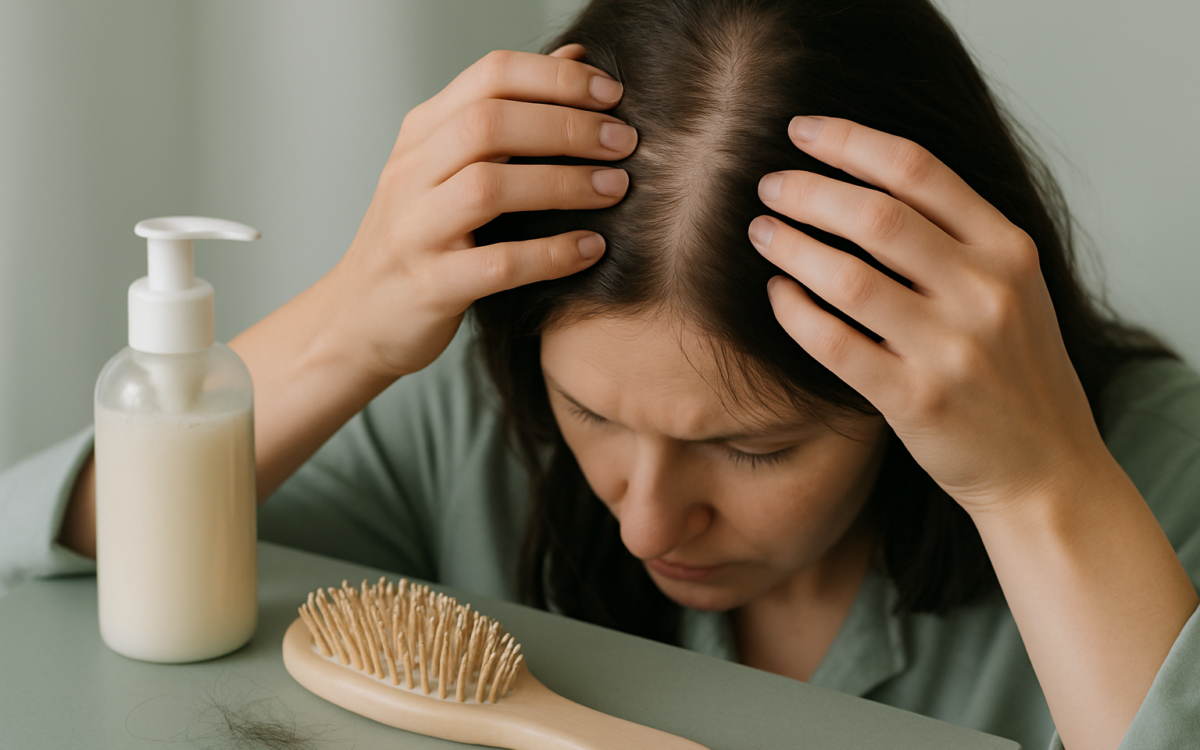
For many people, hair thinning and falling can be a distressing experience, impacting both self-esteem and overall confidence. Fortunately, there are multiple strategies to combat this issue. Whether you’re dealing with genetics, health conditions, or lifestyle choices, understanding the causes and solutions can help you regain not just your hair, but also your confidence.
Understanding Hair Thinning
Before we dive into solutions, it’s important to understand why hair thinning occurs. Common causes include:
- Genetics: Family history plays a significant role in hair loss. Conditions like male or female pattern baldness are influenced by genetic factors.
- Hormonal Changes: Hormonal imbalances, especially related to pregnancy, menopause, or thyroid issues, can trigger hair loss.
- Nutritional Deficiencies: Lack of essential nutrients such as iron, vitamin D, and biotin can weaken hair, leading to thinning and shedding.
- Stress: High stress levels can lead to temporary hair loss, a condition known as telogen effluvium.
Improve Your Diet for Healthy Hair
Your diet plays a crucial role in the health of your hair. To support hair growth, consider including the following foods in your meals:
- Lean Proteins: Foods like chicken, fish, and legumes provide the proteins essential for hair structure and growth.
- Fruits and Vegetables: Rich in vitamins and minerals, they support overall health. Dark leafy greens like spinach and kale are particularly beneficial.
- Nuts and Seeds: Sources of omega-3 fatty acids, these help nourish hair follicles.
Incorporating a well-balanced diet can ensure you get the nutrients necessary for lush and healthy hair, potentially staving off thinning.
Topical Treatments and Hair Care
There are various topical treatments designed to promote hair growth. Minoxidil is a well-known and FDA-approved treatment that can stimulate hair follicles and slow down hair loss. It’s available over-the-counter and can be applied directly to the scalp.
Gentle Hair Care Practices
Avoiding harsh treatments can also help. Here are some gentle hair care practices:
- Limit the use of heat styling tools.
- Use a gentle shampoo and avoid sulfates.
- Don’t pull your hair back too tightly.
These small changes can make a big difference in maintaining the health of your hair.
Considering Professional Treatments
Sometimes, home remedies and lifestyle changes aren’t enough to combat hair thinning. In such cases, you may want to explore professional treatments. Options include:
- PRP Therapy: Platelet-rich plasma (PRP) therapy involves taking your blood, processing it to concentrate the platelets, and injecting it into the scalp to promote hair growth.
- Hair Transplants: For severe cases, a hair transplant may be an option. This outpatient surgery relocates hair follicles from a donor site to thinning areas.
If you’re considering treatments beyond the basics, there are numerous clinics worldwide, such as those offering international patient services, that can provide advanced care tailored to your specific needs.
Managing Stress
Since stress can significantly impact hair health, finding ways to manage stress is essential. Consider practices such as:
- Mindfulness and Meditation: These practices can help center your mind and reduce stress.
- Regular Exercise: Physical activity releases endorphins and can improve your mood.
- Social Connections: Spending time with friends and family can provide emotional support.
By taking care of your mental health, you can positively influence the health of your hair.
When to See a Doctor
If you notice persistent hair thinning or are concerned about the extent of your hair loss, consulting a healthcare provider is a wise step. They can help identify any underlying medical conditions and recommend treatments. It’s crucial to address potential health issues early on for the best outcomes.
Conclusion
Combating hair thinning is a multi-faceted journey that requires understanding your body, maintaining a balanced diet, and possibly seeking professional interventions. With the right strategies, you can stop hair thinning and fall, restoring both your hair’s vitality and your confidence.
