
Anxiety can feel overwhelming at times, creeping in when we least expect it. Whether it’s a looming deadline, a social event, or the pressures of daily life, feelings of anxiety are common. Fortunately, there are many strategies to help you regain control and ease these feelings. This article shares simple, effective methods to help you cope with anxiety and promote overall emotional well-being.
Understanding Anxiety
Anxiety is a natural response to stress. It might include feelings of worry, fear, or unease about something with an uncertain outcome. While it’s perfectly normal to experience anxiety occasionally, chronic anxiety can impact your daily life and lead to more serious health issues. According to the World Health Organization, anxiety disorders are among the most common mental health disorders worldwide.
Breathing Techniques
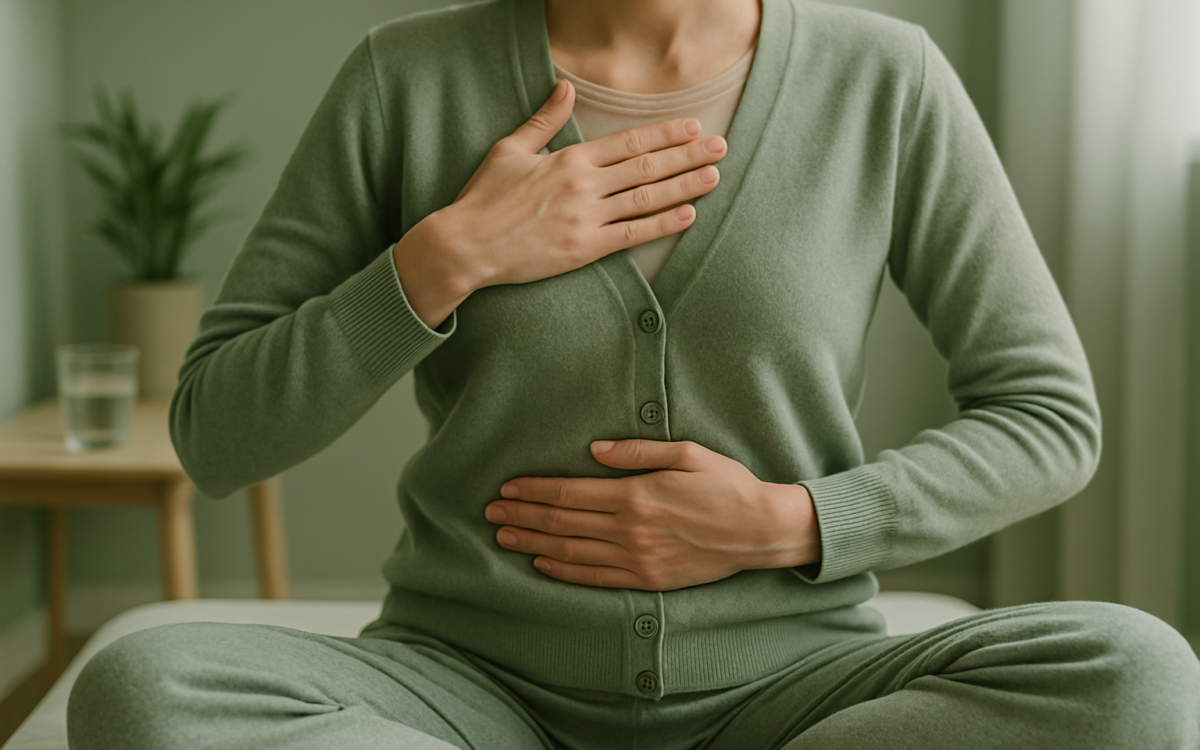
One of the most effective ways to manage anxiety is through deep breathing exercises. When we feel anxious, our breathing becomes fast and shallow. By focusing on your breath, you can promote relaxation and reduce anxiety. Here’s a simple technique:
- Find a comfortable seated position.
- Inhale deeply through your nose, allowing your abdomen to expand.
- Hold your breath for a moment.
- Exhale slowly through your mouth.
- Repeat this for several minutes, focusing on the rhythm of your breath.
This practice, when done regularly, can help calm your mind and body.
Physical Activity
Exercise is a powerful tool for easing anxiety. Physical activity releases endorphins, natural mood lifters that can improve your sense of well-being. Even a brief walk or simple stretches can make a significant difference. Aim for at least 30 minutes of moderate exercise on most days. Activities such as walking, jogging, yoga, or dancing can be particularly beneficial. According to the National Institutes of Health, exercise can improve mental health and reduce anxiety symptoms.
Mindfulness and Meditation
Mindfulness and meditation involve focusing your awareness on the present moment and accepting it without judgment. Practicing mindfulness can help you break the cycle of negative thought patterns associated with anxiety. You can start with just a few minutes each day:
- Find a quiet place to sit or lie down.
- Close your eyes and take several deep breaths.
- Focus your attention on your breathing or use a guided meditation app.
- When your mind wanders, gently redirect your focus back to your breath.
Over time, these practices can foster a sense of calm and help you better manage anxiety.
Social Support
Connecting with friends, family, or support groups can significantly alleviate feelings of anxiety. Sharing your experiences can create a sense of belonging and reduce feelings of isolation. Consider reaching out to someone you trust and express how you’re feeling. Sometimes, just talking about what you’re going through can bring relief. Online support groups are also an option if you prefer to connect with others facing similar challenges.
Establish a Healthy Routine
Having a consistent daily routine can provide a sense of stability and control. Make sure to prioritize:
- Regular sleep. Aim for 7-9 hours of quality sleep each night.
- A balanced diet. Eating nutritious foods can have a positive impact on your mood.
- Daily self-care. Set aside time for activities that you enjoy and that help you relax.
When you nurture your body and mind, you build resilience against anxiety.
When to See a Doctor
If anxiety becomes overwhelming or disrupts your daily life, it may be time to seek professional help. A doctor or mental health professional can provide guidance and personalized treatment options. Don’t hesitate to reach out—it’s important to prioritize your mental health.
Remember, feeling anxious is a part of being human, but with the right tools and support, it’s possible to manage those feelings effectively. By incorporating these techniques into your daily routine, you can ease anxiety and enhance your overall well-being.
