
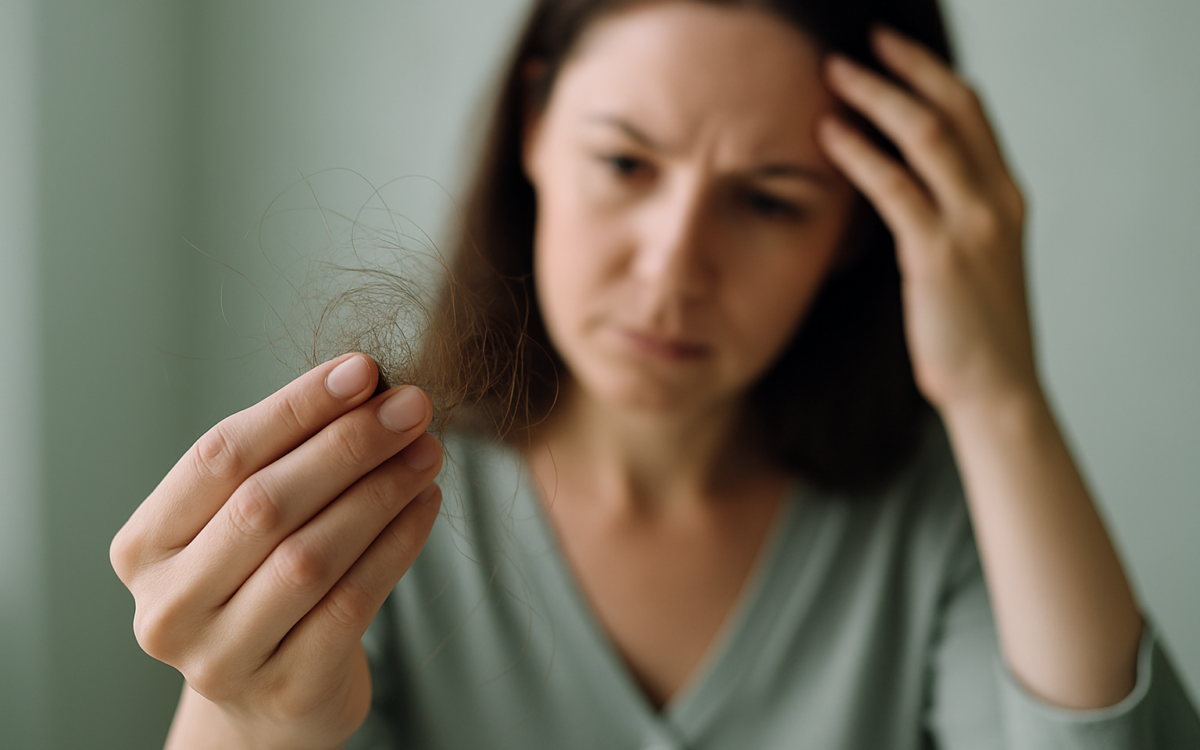
Hair is often seen as a key aspect of a person’s identity and beauty. For many women, experiencing hair loss can be an emotional experience that affects their self-esteem and body image. While occasional hair shedding is normal, significant hair loss can raise concerns. Understanding the reasons behind hair fall in females can help demystify this condition and guide toward solutions.
Hormonal Changes
One of the primary reasons for hair fall in females is hormonal fluctuations. Hormones play a critical role in the hair growth cycle.
Pregnancy and Postpartum
During pregnancy, women experience significant hormonal changes that can lead to thicker hair due to elevated levels of estrogen. However, after giving birth, estrogen levels drop, which can trigger postpartum hair shedding. This condition is typically temporary, and hair growth often normalizes within several months.
Menopause
As women age, they undergo menopause, a phase that also brings significant hormonal shifts. The decline in estrogen levels during this time can lead to thinning hair. Studies suggest that by age 50, about 50% of women experience some level of hair thinning due to menopause-related hormonal changes, which can be distressing for many.
Medical Conditions
Various medical conditions can also contribute to hair loss in women. Recognizing these conditions is crucial for effective management.
Thyroid Disorders
The thyroid gland regulates metabolism and energy levels, and any dysfunction can impact hair health. Hypothyroidism, where the thyroid is underactive, can lead to hair loss as the body’s functions slow down. Similarly, hyperthyroidism, or an overactive thyroid, can also cause changes in hair growth.
According to the NIH, hair loss can be included among the signs of thyroid issues, making thyroid function tests important if you notice unusual shedding.
Autoimmune Conditions
Another significant cause of hair loss in females is autoimmune diseases. Conditions like alopecia areata, where the body’s immune system attacks the hair follicles, can lead to patchy hair loss. This condition can affect women of all ages, and its exact cause remains unclear, which can make it frustrating for those affected.
Stress and Emotional Factors
Both physical and emotional stress can lead to hair loss. The World Health Organization recognizes stress as a contributing factor to a variety of health conditions, including hair loss.
Telogen Effluvium
Telogen effluvium is a condition where stress pushes hair follicles into a resting phase, resulting in increased shedding. This can occur after stressful events such as surgery, illness, or major life changes. Fortunately, hair growth often resumes once the stressor is resolved.
Emotional Well-Being
Long-term emotional stress, such as anxiety and depression, can have a similar impact on hair health. Engaging in stress-reduction techniques like meditation, exercise, and therapy can be beneficial for both mental health and hair regrowth.
Nutritional Deficiencies
A balanced diet is essential for maintaining healthy hair. Nutritional deficiencies can play a significant role in hair loss.
Iron Deficiency
Iron is crucial for various bodily functions, including hair growth. Women are more prone to iron deficiency due to menstruation and dietary habits. Low iron levels can slow hair production and contribute to shedding. Incorporating iron-rich foods like spinach, red meat, and legumes into your diet is helpful.
Protein Intake
Hair is primarily made of a protein called keratin. A lack of protein in the diet can lead to weak hair strands and increased hair loss. Ensuring you have enough protein in your meals—through sources like chicken, fish, eggs, and plant-based proteins—can support healthy hair growth.
Hair Care Practices
Some hair care practices can also contribute to hair loss. Understanding these practices can help minimize damage.
Heat and Chemical Treatments
Regular use of heat styling tools and chemical treatments can weaken hair over time. Excessive heat can lead to dryness and breakage, contributing to hair fall. Limiting the use of heated tools, as well as opting for gentle, sulfate-free shampoos, can help preserve hair health.
Hairstyles
Tight hairstyles, such as braids, ponytails, or bun styles, can cause traction alopecia, a type of hair loss caused by continuous pulling on the hair. Opting for looser hairstyles can reduce strain on hair follicles and improve hair retention.
When to See a Doctor
If hair loss becomes noticeable or is affecting your self-esteem, it’s worthwhile to consult a doctor. Persistent hair loss can signify underlying health issues, and a healthcare professional can help determine the cause and recommend appropriate treatments. Don’t hesitate to seek help if you notice a sudden increase in hair shedding or if your hair is thinning at an accelerated rate.
Conclusion
Hair loss can be a complex issue for many women, influenced by various factors ranging from hormonal changes to stress and dietary deficiencies. While it can be concerning and affect personal confidence, recognizing the different reasons behind hair fall can empower women to seek appropriate support. With a better understanding and proper care, there’s hope for healthy hair regrowth.
