
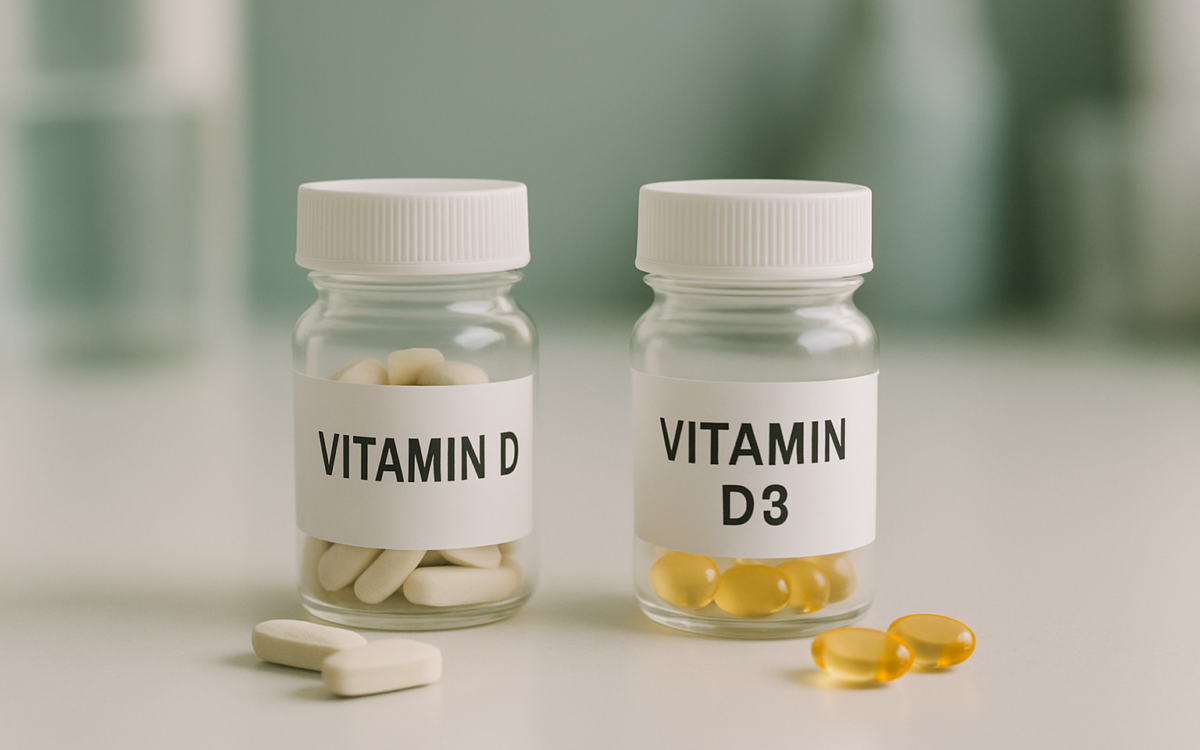
Many people are aware of the importance of vitamins, but when it comes to vitamin D, the conversation often leads to confusion—especially regarding the difference between vitamin D and its D3 form. Understanding these distinctions can be crucial for your health and wellness.
What is Vitamin D?
Vitamin D is a group of fat-soluble secosteroids responsible for improving the intestinal absorption of calcium, magnesium, and phosphate. It plays a vital role in maintaining bone health and supporting immune function. There are two main forms of vitamin D that you might hear about: vitamin D2 (ergocalciferol) and vitamin D3 (cholecalciferol).
What is Vitamin D3?
Vitamin D3, or cholecalciferol, is one of the two active forms of vitamin D. This form is synthesized by the skin when exposed to sunlight. D3 is considered more potent than its counterpart, D2, and is often the preferred form in supplements and food fortification. It plays a significant role in regulating the levels of calcium and phosphate in the body, which is essential for healthy bone structure and function.
Sources of Vitamin D and D3
While both vitamins are important, they come from different sources. Here’s a breakdown:
- Vitamin D2: Primarily found in yeast, fungi, and fortified foods such as cereals and orange juice.
- Vitamin D3: Gained through sunlight exposure, found in animal-based foods like fatty fish (salmon, mackerel), fish liver oils, egg yolks, and fortified dairy products.
Understanding these sources can help you make better choices about your diet and lifestyle to meet your vitamin D needs.
How They Work in the Body
Both forms of vitamin D function similarly once in the body. They convert into calcidiol in the liver, and then into calcitriol in the kidneys—this is the form that the body can use effectively. However, vitamin D3 generally raises levels of calcidiol more efficiently than D2, making it more effective for raising and maintaining overall vitamin D levels in the blood.
Health Benefits of Vitamin D and D3
Both vitamin D and D3 contribute to numerous health benefits:
- Bone Health: Essential for calcium absorption and bone metabolism.
- Immune Support: Helps modulate immune system responses.
- Muscle Function: Involved in muscle strength and function, reducing the risk of falls in older adults.
- Mood Regulation: Plays a role in mental health, with some research linking vitamin D deficiency to depression.
Whether you are getting your vitamin D from sun exposure, diet, or supplements, these benefits underscore the importance of maintaining adequate levels.
Is One Better Than the Other?
While D2 and D3 both serve important roles, research suggests that vitamin D3 is the more effective choice for supplementation. In a study published in the American Journal of Clinical Nutrition, vitamin D3 was shown to be more effective in increasing blood levels of vitamin D than D2. This suggests that if you’re considering supplementation, D3 may provide more benefits.
When to Consider Supplementation
Many people struggle to get enough vitamin D through diet and sun exposure alone, especially in winter months or for those living in northern latitudes. If you suspect you might be deficient, consider consulting with a healthcare provider for testing and recommendations. Factors that may increase your need for supplementation include:
- Limited sunlight exposure due to geographic location or lifestyle.
- Dietary restrictions, such as veganism, that limit sources of vitamin D.
- Certain medical conditions that affect absorption or metabolism.
When to See a Doctor
If you experience symptoms like fatigue, bone pain, muscle weakness, or mood changes, it’s important to consult your healthcare provider. A simple blood test can determine your vitamin D levels, allowing for proper management and treatment if necessary.
Conclusion
Understanding the differences between vitamin D and D3 can empower you to make informed decisions about your health. With their significant roles in bone health, immune function, and overall well-being, ensuring you have adequate levels of vitamin D—especially D3—should be a priority. By maintaining a balanced diet and considering supplementation when needed, you can support your health effectively.
