
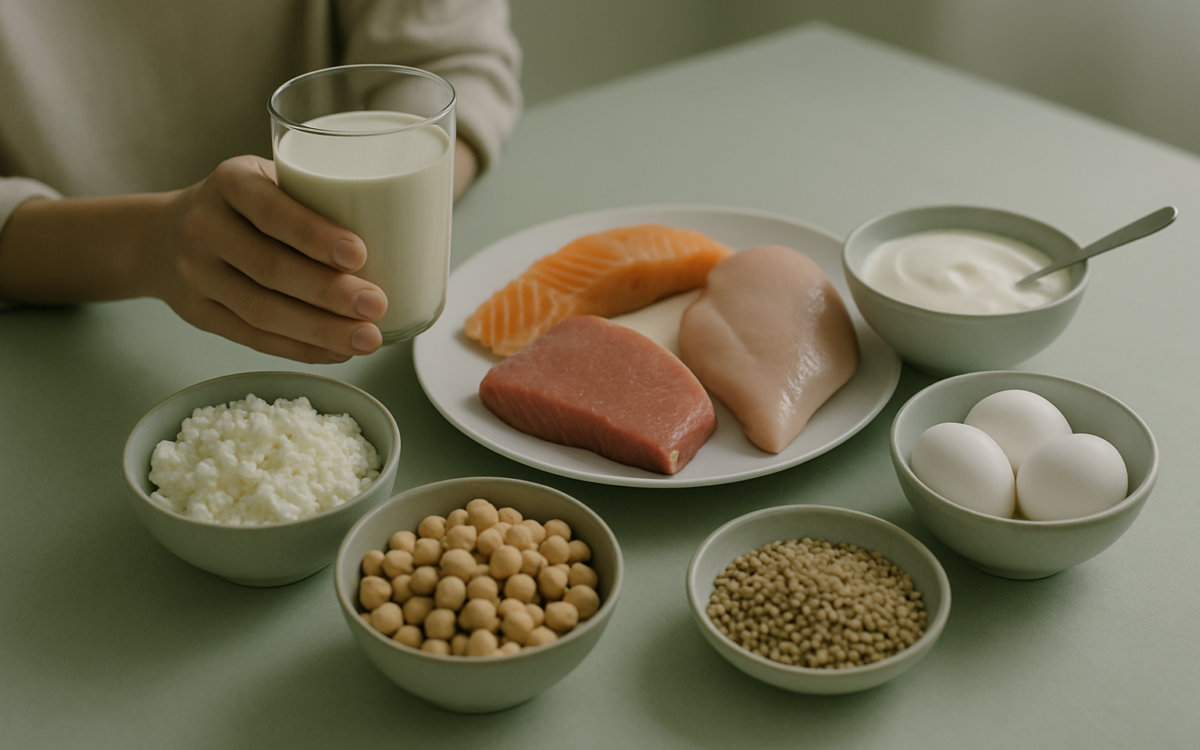
Protein is a vital nutrient that plays a key role in building and repairing tissues, making hormones, and supporting immune function. Many people aim for 100 grams of protein a day to help maintain energy levels, build muscle, or support weight loss. In this article, we will explore simple strategies to easily incorporate enough protein into your daily diet, regardless of your dietary preferences.
Understanding Your Protein Needs
First, it’s important to know how much protein you actually need. The Recommended Dietary Allowance (RDA) for protein for most adults is 46 grams for women and 56 grams for men, but many health and fitness experts recommend higher amounts for active individuals, around 1.2 to 2.2 grams per kilogram of body weight. Achieving 100 grams can provide additional benefits, especially for those looking to build muscle or lose weight.
Know Your Protein Sources
Not all proteins are created equal. Here are some great sources to consider:
- Animal-Based Proteins: These include meat, poultry, fish, eggs, and dairy products. Lean meats like chicken breast or turkey are excellent options.
- Plant-Based Proteins: Beans, lentils, tofu, tempeh, seitan, nuts, and seeds provide good amounts of protein. Quinoa is a complete protein, meaning it contains all nine essential amino acids.
- Dairy and Alternatives: Greek yogurt, cottage cheese, and plant-based milk alternatives (like soy or pea protein) can help you meet your goals.
Incorporate Protein into Every Meal
Making protein part of every meal can help you reach your daily target. Here are some meal ideas:
Breakfast
- Start with a high-protein option like scrambled eggs with spinach and a sprinkle of cheese. A three-egg omelet can offer about 18 grams of protein.
- Add a serving of Greek yogurt or cottage cheese topped with your favorite fruit and nuts. Greek yogurt alone can contain around 20 grams of protein per serving.
Lunch
- Try a large salad topped with grilled chicken or chickpeas, and a side of quinoa. A typical serving of grilled chicken provides around 25 grams of protein.
- Include a turkey or tuna sandwich made with whole grain bread and lots of veggies. A 3-ounce serving of tuna offers about 22 grams of protein.
Dinner
- For dinner, opt for baked salmon or chicken breast paired with a side of lentils or a bean dish. A piece of salmon can deliver around 22 grams of protein.
- Add a protein-rich stir-fry using tofu or chicken with vegetables and brown rice. Stir-fried tofu can provide roughly 20 grams of protein in a serving.
Snacks That Pack a Protein Punch
Snacking wisely can also contribute to your protein intake. Here are some healthy snack options:
- A handful of mixed nuts or seeds (1 ounce can provide about 6-8 grams of protein).
- Protein bars or shakes designed for health enthusiasts. Always check the label for protein content!
- Hard-boiled eggs or edamame are convenient, high-protein snacks.
Consider Protein Supplements
If you’re finding it difficult to get enough protein from food alone, you might consider protein supplements. Options include protein powders made from whey, casein, soy, or pea protein. Always consult with a healthcare provider before adding supplements to your routine, as they may not suit everyone. The recommended protein powder can range from 20-30 grams per serving, depending on the brand.
Monitor Your Intake
Keeping a food diary can help you understand your protein intake. You can use mobile apps or online trackers to log your meals and snacks, allowing you to see if you are meeting your protein goals. This can be particularly useful if you’re transitioning to a higher-protein diet or trying to manage your weight.
When to See a Doctor
If you’re having difficulty reaching your protein goals, or if you’re unsure how much protein is suitable for you, consider consulting a healthcare provider or a registered dietitian. They can help tailor your dietary choices to ensure you’re getting the nutrients you need for optimal health.
For more information on protein and nutrition, you can visit reputable sources like the National Heart, Lung, and Blood Institute or the Mayo Clinic.
Conclusion
Getting 100 grams of protein a day might seem daunting at first, but with careful planning and the right food choices, it can be straightforward and enjoyable. Remember to spread your protein intake throughout the day to maximize absorption and support your health goals. Embrace a variety of protein sources and maintain a balanced diet for the best results!
