
Who doesn’t love a bright smile? Over time, our teeth can lose their luster due to various factors such as diet, lifestyle, and aging. Teeth bleaching has become a popular way to restore that gleam. But how do you do it safely and effectively? In this guide, we’ll explore different methods for bleaching your teeth, their pros and cons, and essential tips to maintain your dental health.
Understanding Teeth Discoloration
Before diving into bleaching methods, it’s important to understand why teeth become discolored in the first place. Discoloration can be due to:
- Extrinsic stains: These are surface stains caused by consuming foods and drinks like coffee, tea, red wine, and soda. Tobacco use also contributes to these stains.
- Intrinsic stains: These occur from changes within the tooth structure, often due to aging, certain medications, or excessive fluoride during childhood.
Knowing the cause of discoloration will help determine the most effective bleaching method.
Teeth Bleaching Methods
There are several ways to bleach your teeth, ranging from professional treatments to at-home remedies. Here’s a breakdown of some popular methods:
1. Professional In-Office Whitening
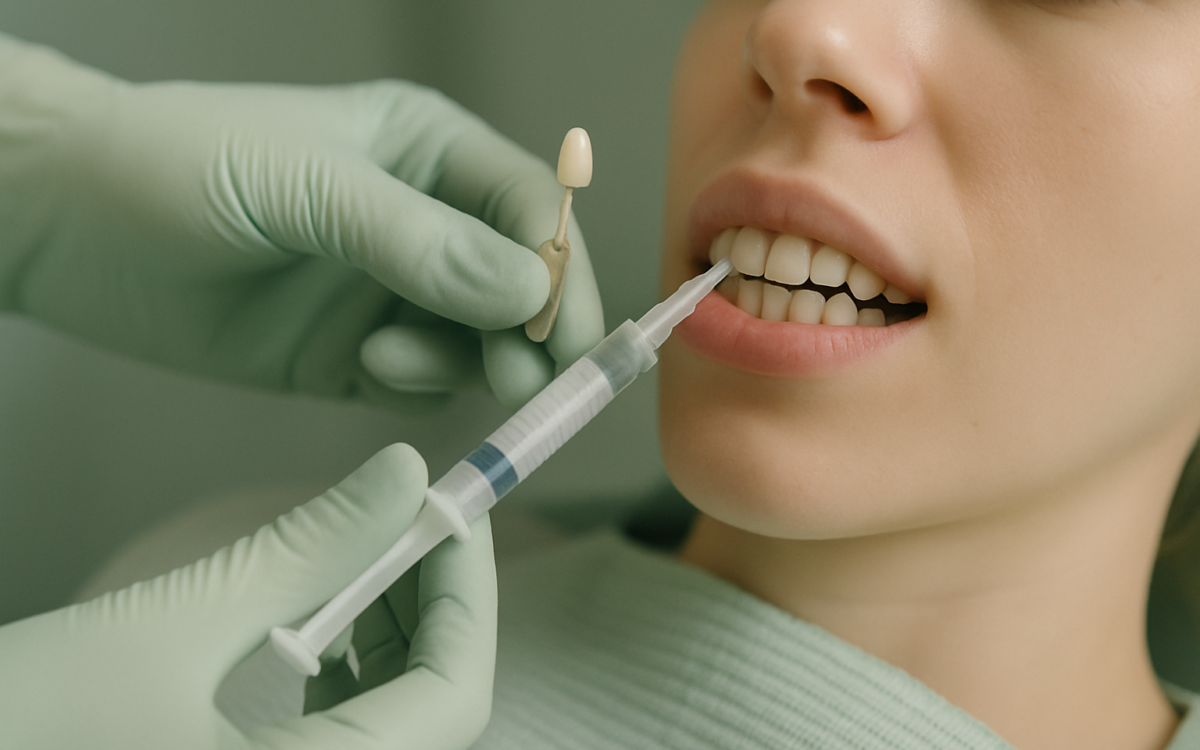
One of the most effective ways to achieve a bright smile is through professional whitening treatments offered by dentists. These treatments typically involve:
- Applying a high-concentration bleaching agent to your teeth.
- Using a special light to enhance the bleaching process.
Results can be dramatic, often lightening teeth several shades in just one visit. However, this method can be more costly than others.
2. At-Home Whitening Kits
For those who prefer to lighten their teeth at home, over-the-counter (OTC) whitening kits are widely available. These may include:
- Whitening strips: Thin plastic strips coated with a hydrogen peroxide gel.
- Whitening trays: Custom-fitted or one-size-fits-all trays filled with bleaching gel that you wear for a specified time.
These methods can be effective but may take longer to show results compared to professional treatments.
3. Natural Remedies
Some prefer to explore natural teeth whitening alternatives, though their effectiveness can vary. Common natural options include:
- Baking soda: Mild abrasive that can help remove surface stains when used occasionally.
- Activated charcoal: Believed to absorb stains, but evidence of its effectiveness for teeth whitening is limited.
- Hydrogen peroxide: A common ingredient in many whitening products, can be diluted and used as a mouth rinse.
While these methods are often seen as safer, they may not provide the same results as commercial products, and overuse can harm tooth enamel.
Safety Considerations
While teeth bleaching can significantly improve your smile, it’s vital to prioritize safety. Here are some key considerations:
- Consult your dentist: Before beginning any bleaching method, consult with your dentist to ensure your teeth and gums are healthy.
- Follow product instructions: Adhere to the recommendations on any whitening product to avoid potential damage to your teeth or gums.
- Be mindful of sensitivity: Some individuals may experience increased tooth sensitivity after bleaching. If this occurs, try reducing the frequency of treatments.
Excessive and improper use of bleaching products can lead to tooth enamel erosion and gum irritation.
Maintaining Your Bright Smile
Once you achieve your desired level of whiteness, keeping your smile bright requires some daily habits:
- Good oral hygiene: Brush your teeth at least twice a day and floss regularly to prevent plaque buildup.
- Avoid stain-causing foods and drinks: Limit consumption of items known to stain teeth, such as coffee, tea, red wine, and certain fruits.
- Regular dental visits: Schedule regular check-ups and cleanings with your dentist to maintain oral health and whiteness.
By incorporating these habits into your routine, you can preserve your newly brightened smile.
When to See a Doctor
If you experience any adverse effects from teeth bleaching, such as severe sensitivity, pain, or allergic reactions, it’s advisable to consult a dental professional. Also, if you have pre-existing dental issues, such as cavities or gum disease, address these with your dentist before attempting any whitening treatments.
Conclusion
Achieving a brighter smile is possible through various teeth bleaching methods, each with its own benefits and safety considerations. Whether you opt for professional treatments or at-home options, make sure to prioritize your dental health. Regular visits to your dentist can help guide your teeth whitening journey safely. With the right approach, you can enjoy a dazzling smile that boosts your confidence.
For more information, consider resources like Mayo Clinic and NIH that offer insights into dental health and oral care best practices.
