
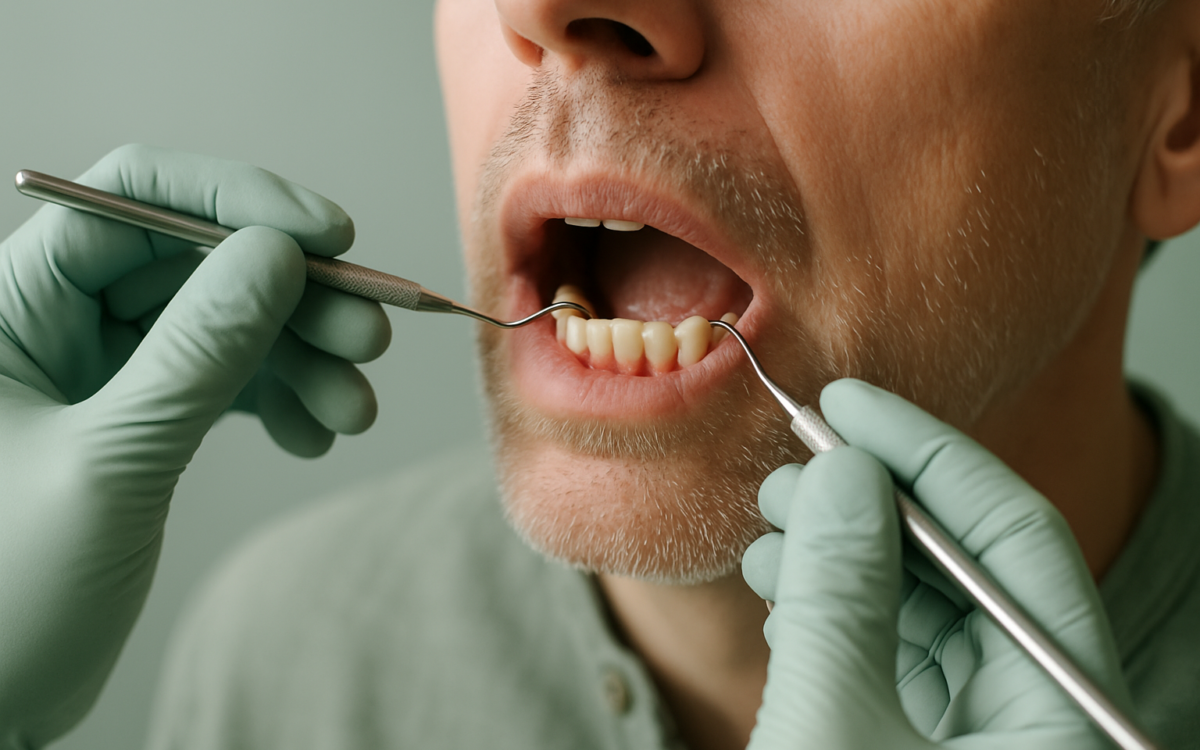
Healthy gums are crucial for your overall oral health, yet many people overlook them until problems arise. Periodontal disease, also known as gum disease, is a common condition that affects millions of adults. Understanding the early signs of periodontal disease can help you take action before it worsens, preserving your smile and health.
What is periodontal disease?
Periodontal disease begins with inflammation of the gums, known as gingivitis. If left untreated, it can progress to more severe forms, including periodontitis, which may lead to tooth loss and other health issues. According to the Centers for Disease Control and Prevention (CDC), nearly half of all adults aged 30 and older have some form of gum disease.
Common signs of periodontal disease
Recognizing the early signs of periodontal disease is essential for prompt treatment. Here are some of the most common indicators:
1. Swollen or red gums
One of the first signs of gum disease is inflammation. Healthy gums should be firm and pale pink. If your gums appear swollen, red, or tender, it might be a sign of gingivitis, the initial stage of periodontal disease.
2. Bleeding gums
If you notice blood when brushing or flossing, this is another warning sign. Gums that bleed easily are often inflamed and may indicate the start of periodontal disease. You should never ignore bleeding gums, even if it seems minor.
3. Persistent bad breath
Chronic bad breath, or halitosis, can result from the buildup of plaque and bacteria in the mouth. As periodontal disease progresses, the bacteria can produce foul-smelling compounds. If mouthwash or brushing does not alleviate the problem, it may be time to consult a dentist.
Understanding the progression of periodontal disease
It’s important to know how periodontal disease can progress if not addressed early. Here’s a brief overview:
1. Gingivitis
Gingivitis is the earliest stage of gum disease. At this point, inflammation occurs, but the bone and connective tissue that support your teeth remain intact. Treatment often involves improved oral hygiene.
2. Mild periodontitis
If gingivitis is not treated, it can develop into mild periodontitis. This stage is characterized by deeper pockets forming between the teeth and gums, along with ongoing inflammation. More serious interventions, like deep cleaning, may be necessary.
3. Moderate to severe periodontitis
At this advanced stage, there is significant gum recession and loss of tooth-supporting bone. Teeth may become loose, and surgery could be required to restore gum health. Regular dental visits are critical for management.
Risk factors for periodontal disease
Several risk factors can increase your chances of developing periodontal disease:
- Age: The risk increases as you get older.
- Tobacco use: Smoking and chewing tobacco contribute significantly to gum disease.
- Diabetes: People with diabetes have a higher risk of infections and gum problems.
- Hormonal changes: Changes that occur during puberty, pregnancy, or menopause can affect gum health.
- Genetics: Some individuals may be genetically predisposed to gum disease.
Staying aware of these risk factors can help you take preventive measures and maintain good oral health.
How to prevent periodontal disease
Preventing periodontal disease begins with good oral hygiene. Here are some effective strategies:
- Regular brushing: Brush your teeth at least twice a day with fluoride toothpaste to remove plaque.
- Daily flossing: Floss daily to remove food particles and plaque from between teeth.
- Routine dental check-ups: Visit your dentist at least every six months for professional cleanings and assessments.
- Balanced diet: A diet rich in vitamins and minerals supports gum health. Foods high in vitamin C, for example, can help combat gum disease.
When to see a doctor
If you notice any of the signs mentioned above, it’s important to consult your dentist as soon as possible. Early diagnosis and treatment are crucial in preventing the progression of periodontal disease. If you notice severe symptoms like persistent pain, loose teeth, or swollen gums that do not improve with better oral hygiene, seek medical help promptly.
Conclusion
Recognizing signs of periodontal disease is crucial for maintaining good oral health. By being aware of early symptoms and risk factors, you can take action to protect your gums and teeth. Remember that consistent oral hygiene and regular visits to your dentist are essential in preventing gum disease. A healthier smile starts with awareness!
