
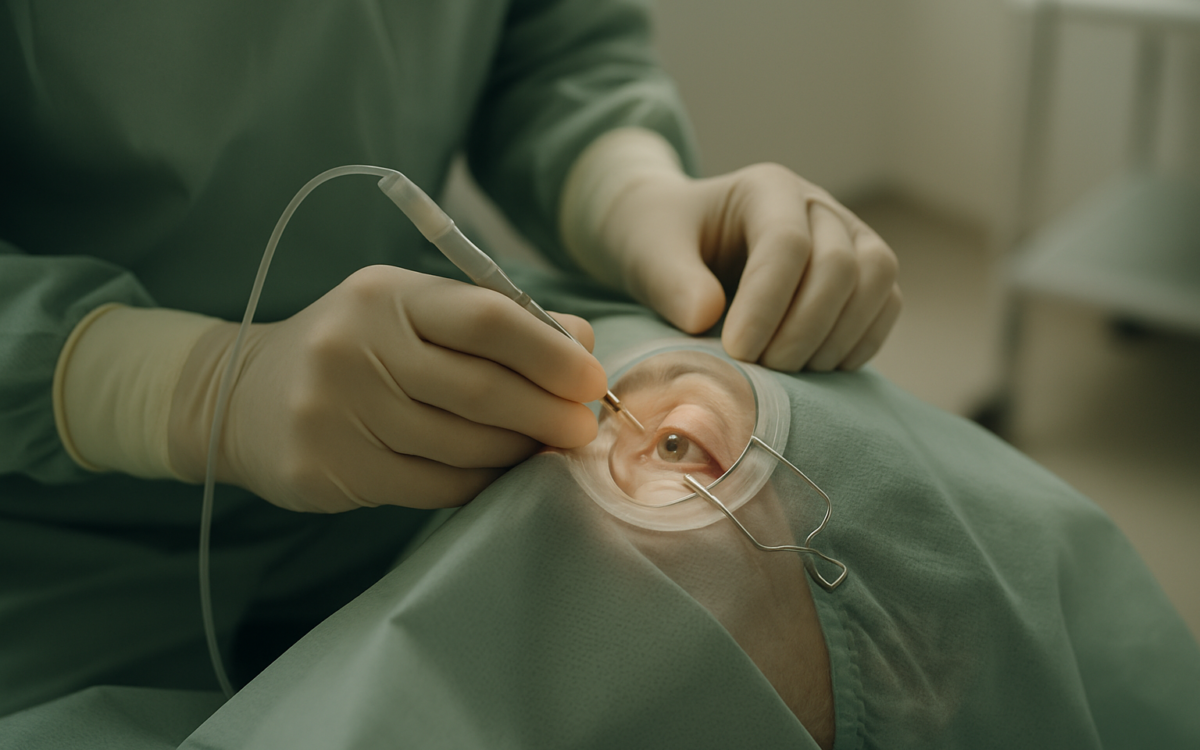
Cataracts are a common eye condition that affects millions of people, especially as they age. When you have a cataract, your lens becomes cloudy, making it difficult to see clearly. This condition can significantly impact daily life, but fortunately, a cataract procedure offers a solution. Many individuals are apprehensive about surgery, but understanding what to expect can help ease those fears.
What Is a Cataract?
A cataract is a clouding of the lens in the eye that can impair vision. The lens, which is normally clear, helps focus light onto the retina at the back of the eye. When cataracts form, they obstruct light, causing blurred or dim vision. They can also lead to other issues like increased glare and difficulty with night vision.
According to the National Heart, Lung, and Blood Institute, cataracts are one of the leading causes of vision loss worldwide, particularly in older adults. However, they can also develop due to other factors, such as injury, prolonged UV exposure, or certain medications.
Preparing for the Cataract Procedure
Before the procedure, you will have a thorough eye examination. Your eye doctor will measure your eyes to determine the proper lens that fits your vision needs. This is also a good time to discuss any questions or concerns you may have regarding the surgery.
In the days leading up to the surgery, your doctor might ask you to:
- Avoid certain medications like blood thinners
- Stop wearing contact lenses to ensure accurate measurements
- Arrange for someone to drive you to and from the procedure
What Happens During the Cataract Procedure?
On the day of the surgery, you will likely be given a mild sedative to help you relax. The procedure itself usually takes about 15 to 30 minutes and is performed on an outpatient basis.
Here’s how the procedure generally goes:
- Preparation: The eye is numbed with drops, and you may also receive a sedative.
- Disinfection: The eye area will be cleaned thoroughly to minimize infection risk.
- Creating an Opening: The surgeon makes a tiny incision in the cornea (the front part of your eye) to access the lens.
- Removing the Cataract: The cloudy lens is broken up using ultrasound (a technique called phacoemulsification) and removed.
- Inserting the Intraocular Lens: A clear artificial lens is placed in the same position as your natural lens.
- Closing the Incision: No stitches are usually needed, as the incision is small enough to heal on its own.
This procedure is generally very safe, with a high success rate. The Mayo Clinic states that most people notice improved vision within a day or two after surgery.
Post-Operative Care
After the cataract procedure, you can expect some discomfort, but this can usually be managed with over-the-counter pain relief. It’s also vital to follow these post-operative care instructions:
- Wear an eye shield or protective glasses while sleeping for at least a week.
- Avoid rubbing or pressing on your eye.
- Skip strenuous activities and heavy lifting for several days.
- Use prescribed eye drops to prevent infection and reduce inflammation.
Your doctor will schedule follow-up appointments to check your healing progress and ensure everything is going well.
Potential Risks and Complications
While the cataract procedure is considered safe, like any surgery, it carries risks. Some potential complications may include:
- Infection
- Swelling of the retina
- Bleeding
- Vision changes or loss
It’s crucial to discuss these risks with your doctor before the surgery, as they can help you weigh the benefits against the potential complications. Additionally, following post-operative care guidelines will help reduce your risk of complications.
When to See a Doctor
After your cataract procedure, contact your doctor if you experience any of the following signs:
- Increased pain or discomfort
- Sudden changes in vision, such as flashes of light or dark spots
- Excessive redness or swelling of the eye
- Signs of infection, such as discharge or fever
Prompt communication with your healthcare provider can address any concerns and ensure a swift recovery.
Conclusion
The cataract procedure is a common and effective way to restore clear vision and improve your quality of life. By understanding what to expect before, during, and after the surgery, you can feel more prepared and confident. Always consult with your eye doctor for personalized advice and care.
