
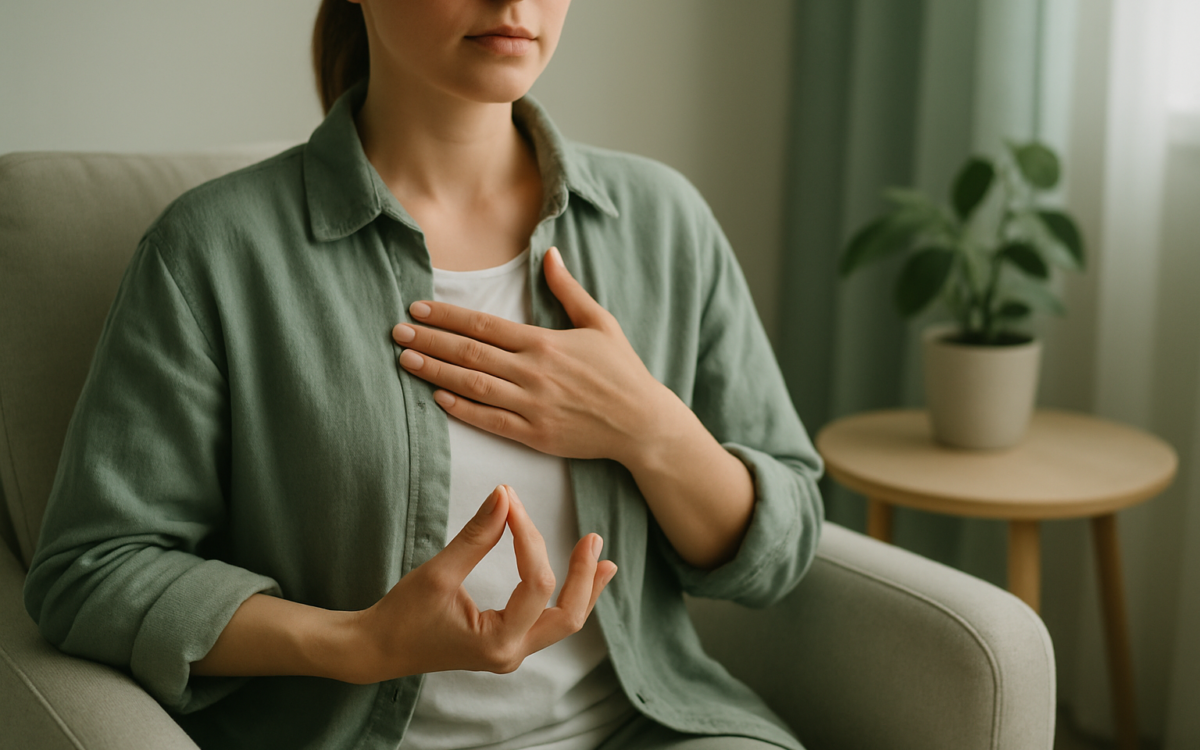
Stress has become a common part of everyday life. With responsibilities piling up at work, family obligations, and the never-ending flow of information, it’s no wonder many people feel overwhelmed. Fortunately, there are various effective methods to help lessen stress and find some personal peace. Let’s explore some practical strategies you can incorporate into your daily routine.
Understanding Stress
Before diving into stress-reducing techniques, it’s helpful to understand what stress actually is. Stress is the body’s natural response to challenges or threats, often referred to as the “fight or flight” response. While a certain level of stress can motivate you to meet deadlines or face challenges, chronic stress can lead to serious physical and mental health issues.
1. Practice Mindfulness and Meditation
Mindfulness involves being fully present in the moment, without judgment. This practice has gained popularity due to its effectiveness in reducing stress. Meditation, a technique related to mindfulness, helps calm the mind and body.
- Start small by dedicating just five to ten minutes each day to meditation.
- Find a quiet space, sit or lie comfortably, and focus on your breath.
- Consider using meditation apps or recording that guide your practice.
Studies suggest that mindfulness can lower levels of stress hormones like cortisol, helping you feel more relaxed and balanced (NIH).
2. Engage in Physical Activity
Exercise is a well-known stress reliever. Engaging in physical activity can boost endorphins, which are the body’s natural mood elevators. Regular exercise also improves sleep quality and self-esteem, both of which can aid in stress reduction.
- Choose an activity you enjoy, whether it’s walking, swimming, dancing, or cycling.
- Aim for at least 150 minutes of moderate aerobic activity each week.
- Even short bursts of activity can make a difference!
Incorporating physical activity into your daily routine doesn’t have to be intense. Walking the dog, gardening, or playing sports can all contribute positively to your mental health.
3. Connect with Others
Human connection is vital for emotional well-being. When feeling stressed, talking with friends or family can provide support and offer new perspectives.
- Don’t hesitate to reach out to those who uplift you.
- Join support groups or community activities to meet new people.
- Consider professional help if your stress feels unmanageable.
Research has shown that social support is linked to better mental health outcomes. Simply talking about what’s bothering you can lighten your emotional load.
4. Explore Relaxation Techniques
There are numerous relaxation techniques that you can try to lessen stress. These methods encourage your body to shift from a stress response to a relaxation response.
- Deep Breathing: Take slow, deep breaths to activate your parasympathetic nervous system, which promotes calmness.
- Progressive Muscle Relaxation: Tense and then relax each muscle group in your body to release tension.
- Visualization: Imagine a peaceful scene, like a beach or forest, to help reduce anxiety.
Additionally, exploring international options, such as treatment in Turkey, could provide holistic approaches to stress management that may align with your preferences.
5. Maintain a Healthy Lifestyle
Your diet and lifestyle choices can significantly impact your stress levels. Poor nutrition can contribute to feelings of anxiety, while a well-balanced diet supports overall wellness.
- Eat a Balanced Diet: Focus on whole foods, including fruits, vegetables, lean proteins, and whole grains.
- Stay Hydrated: Dehydration can lead to fatigue and irritability.
- Get Enough Sleep: Aim for 7-9 hours of quality sleep each night.
Making mindful choices about your food and habits can enhance your resilience to stress. The Mayo Clinic emphasizes the importance of these lifestyle factors in managing stress and improving mental health.
When to See a Doctor
If you find that your stress is becoming overwhelming, impacting your daily life, or leading to physical and emotional problems, it’s essential to consult a healthcare professional. Signs that you should seek help include persistent feelings of anxiety, depression, insomnia, or a decrease in your ability to perform daily tasks.
Conclusion
Life can be stressful, but with the right tools and techniques, it’s possible to create a calmer existence. By incorporating mindfulness, physical activity, social support, relaxation techniques, and healthy lifestyle choices into your routine, you can effectively lessen stress. Remember, it’s important to consult with your doctor if your stress feels unmanageable. Taking that first step toward reducing stress may lead to a more joyful and balanced life.
