
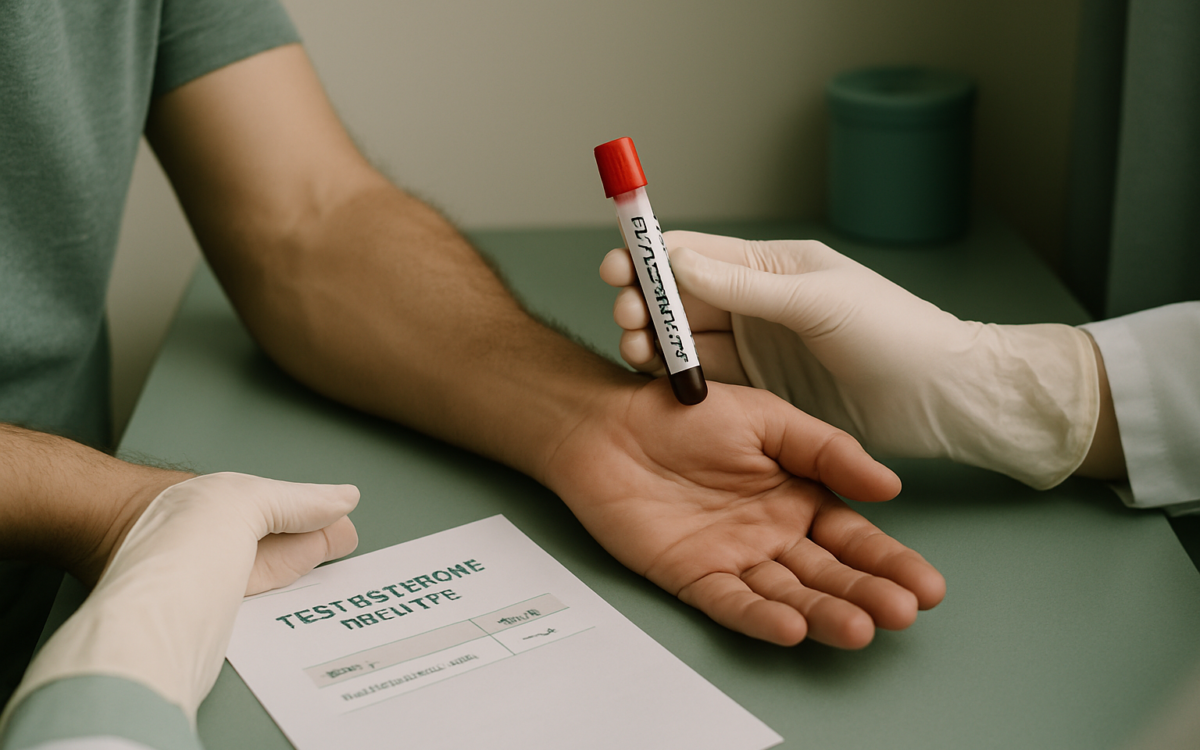
Testosterone plays a crucial role in many aspects of health for men. It influences everything from mood and energy levels to muscle mass and bone strength. But when testosterone levels drop too low, it can lead to a range of health issues. In this article, we will explore what constitutes dangerously low testosterone levels, the symptoms associated with them, potential causes, and when to seek medical help.
What is testosterone and why is it important?
Testosterone is often referred to as the male hormone, but it is present in both men and women, albeit at different levels. In men, testosterone is produced primarily in the testes and is responsible for the development of male physical characteristics, such as body hair and muscle mass. It also contributes to libido, energy levels, and overall well-being.
What is considered low testosterone?
Low testosterone, or hypogonadism, is diagnosed when testosterone levels fall below the normal range. According to the Mayo Clinic, normal testosterone levels typically range from about 300 to 1,000 nanograms per deciliter (ng/dL) for adult males. Anything below 300 ng/dL is often considered low.
What are dangerously low testosterone levels?
While there is no universally agreed-upon figure that defines “dangerously low” testosterone levels, some healthcare professionals may consider levels below 200 ng/dL to be concerning. At this level, the risk of severe health problems increases, and treatment is often recommended.
Signs and symptoms of low testosterone
Men with low testosterone may experience a variety of symptoms, which can include:
- Low energy or fatigue
- Reduced libido or sexual dysfunction
- Depression or mood swings
- Decreased muscle mass and strength
- Increased body fat
- Difficulty concentrating or memory problems
Not every man who has low testosterone will experience these symptoms, but if multiple symptoms appear together, especially in conjunction with low testosterone levels, it is essential to take them seriously.
Causes of dangerously low testosterone levels
Several factors can contribute to dangerously low testosterone levels, including:
Age
As men age, testosterone levels naturally decline. This is a normal part of aging; however, for some men, levels may drop too low, leading to symptoms.
Medical conditions
Certain medical conditions, such as obesity, diabetes, or hormonal disorders, can affect testosterone production. For instance, type 2 diabetes is associated with lower testosterone levels.
Injury or illness
Sexual or endocrine system injuries, such as those affecting the testes, can lead to lower testosterone production. Additionally, chronic illnesses can impact hormone balance.
Mental health
Severe stress, depression, or anxiety can disrupt hormonal balance and potentially lead to lower testosterone levels.
Consequences of dangerously low testosterone
If your testosterone levels are dangerously low, it can have significant health effects. Some potential consequences include:
- Increased risk of osteoporosis and fractures due to decreased bone density
- Higher likelihood of developing metabolic syndrome, which can lead to heart disease
- Potentially worsening depression and anxiety
- Decreased quality of life and overall health
Addressing low testosterone is essential not just for maintaining levels but also for improving overall health and quality of life.
When to see a doctor
If you suspect that you or someone you know may have dangerously low testosterone levels, it’s important to consult a healthcare professional. Symptoms like persistent fatigue, depression, or sexual dysfunction warrant a discussion with a doctor. They can perform a physical exam and order blood tests to check hormone levels. Additionally, they can help determine if there are underlying causes that need to be addressed.
Conclusion
In summary, dangerously low testosterone levels can significantly impact a man’s health and well-being. Understanding what constitutes low testosterone, the signs and symptoms, potential causes, and the consequences of low levels can help individuals make informed decisions. If you or someone you know is experiencing symptoms of low testosterone, don’t hesitate to seek medical advice. Proper diagnosis and treatment can lead to an improved quality of life and better overall health.
