
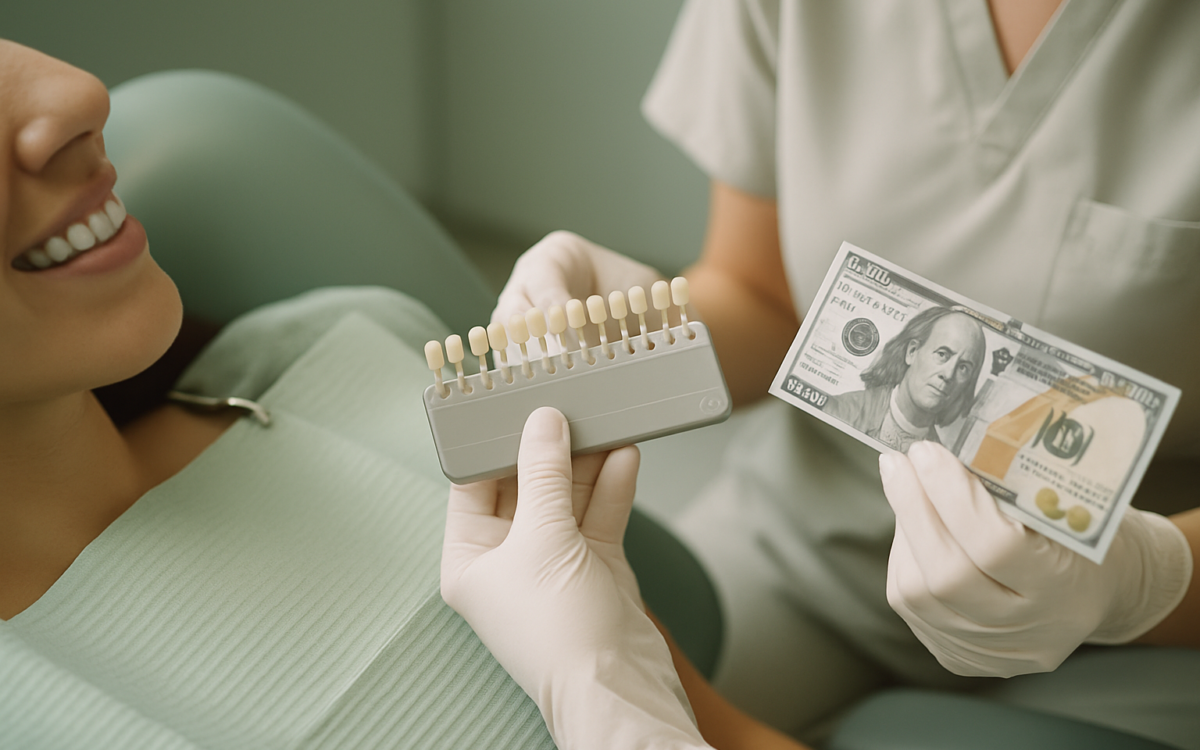
Bright, white teeth can make a big difference in your smile and self-confidence. Many people consider dental whitening to achieve that sparkling look. However, the cost of enhancing your smile can vary widely depending on several factors. In this article, we will explore the various types of dental whitening, their costs, and what you should know before you make a decision.
The Basics of Dental Whitening
Dental whitening, or teeth whitening, involves procedures that lighten the color of your teeth. There are various methods available, each with its own costs:
- In-office treatments: Performed by dental professionals, these treatments use stronger peroxide solutions and often yield immediate results.
- At-home kits: These kits, available from dentists or over-the-counter, usually contain lower concentrations of whitening agents, making them safer for unsupervised use.
- Whitening toothpaste: These products contain mild abrasives and chemical agents that can help remove surface stains but do not dramatically change the color of your teeth.
Cost Breakdown of Dental Whitening Procedures
The cost of dental whitening can vary significantly based on the method chosen and your location. Here’s a general breakdown:
1. In-Office Whitening
In-office whitening is typically the most expensive option, with costs ranging from $300 to $800 per session. This method offers quick results, often in about an hour, and is supervised by a dental professional.
2. At-Home Whitening Kits
Home whitening kits purchased from your dentist usually range from $100 to $400. These kits often include custom-fitted trays for better results. Over-the-counter options can be cheaper but might provide less effective results, with costs generally between $20 and $100.
3. Whitening Toothpaste and Strips
Whitening toothpaste and strips can cost anywhere from $5 to $50. These products are less invasive and can help maintain results achieved through professional treatments.
Factors That Influence Whitening Costs
Several factors can influence the overall cost of dental whitening:
- Geographic location: Prices can vary by region, with urban areas generally being more expensive.
- Dental professional’s expertise: More experienced dentists may charge higher fees.
- Severity of discoloration: If you have significant staining, you may require more sessions, adding to the total cost.
Comparing Costs for International Treatments
If you’re considering dental whitening and looking for cost-effective options, international treatment may also be worth exploring. Many individuals travel abroad to save significantly on dental procedures, including whitening. Factors such as exchange rates, lower prices in certain countries, and high-quality care make international dental services appealing. For instance, you can explore international patient services that offer a range of cosmetic dental treatments at competitive prices.
Are There Any Risks or Side Effects?
While dental whitening is generally safe, there can be side effects, particularly from high-concentration products. Common issues include:
- Tooth sensitivity
- Gum irritation
- Uneven results if not used properly
It’s crucial to follow instructions carefully and consult with a dental professional for the best outcomes.
When to See a Doctor
If you experience prolonged sensitivity or irritation after whitening, consult your dentist. They can help determine if you need to adjust your whitening regime or explore alternative treatments.
Whitening can be a fantastic way to boost your smile and confidence, but understanding the costs and options available is essential for informed decision-making. Whether you choose professional whitening or at-home kits, being aware of what to expect can lead to a brighter and more beautiful smile.
